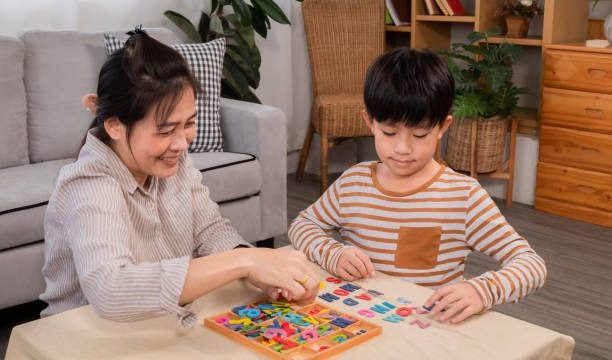
In our fast-paced world, the idea of play often gets sidelined in favor of structured learning and productivity.
Yet, play is not merely a pastime; it’s a powerful tool that fosters strong learning habits.
From childhood through adulthood, engaging in play can enhance creativity, boost problem-solving skills, and nurture social interactions. Understanding how play shapes our learning experiences can open doors to more effective and enjoyable ways to engage with the world around us.
The essence of play is rooted in exploration and discovery. When we allow ourselves to engage in playful activities, we tap into a sense of curiosity that is fundamental to learning. This natural inclination to explore is evident in children, who learn about their environment through games, role-playing, and imaginative scenarios. However, this spirit of inquiry doesn’t fade with age. Adults, too, benefit from playful experiences that encourage them to think outside the box and approach challenges with a fresh perspective.
When we play, we often find ourselves immersed in an activity that feels enjoyable and fulfilling. This enjoyment leads to intrinsic motivation, which is a key component of effective learning. Unlike the external pressures of grades or deadlines, play allows individuals to engage in activities for the sheer joy of it. This intrinsic motivation fosters a deeper connection to the material or skill at hand, making the learning process more meaningful. Whether it’s solving puzzles, participating in team sports, or indulging in creative arts, the enjoyment derived from play encourages a willingness to learn and grow.
Play also serves as a safe space for experimentation. In a playful environment, mistakes are not seen as failures but rather as opportunities for growth. This mindset is crucial for developing resilience and adaptability—qualities that are essential in both academic and professional settings. When individuals feel comfortable taking risks and exploring new ideas, they are more likely to develop innovative solutions and approaches. This playful experimentation nurtures a growth mindset, which is the belief that abilities and intelligence can be developed through effort and perseverance.
Social interactions during play are equally important in building strong learning habits. Engaging with others in playful activities fosters collaboration and communication skills. Whether through team sports, board games, or group projects, play encourages individuals to work together, share ideas, and negotiate solutions. These interactions not only enhance social skills but also create a sense of community and belonging, which is vital for emotional well-being. When people feel connected to others, they are more likely to engage in learning and support one another in their endeavors.
Incorporating play into learning doesn’t require a complete overhaul of existing structures. A small shift toward balance can make a significant difference. Educators and parents can create environments where play is integrated into learning activities. This might involve using games to teach concepts, allowing for creative expression in assignments, or encouraging collaborative projects that incorporate elements of play. By fostering a playful atmosphere, learners of all ages can thrive and develop resilient learning habits that last a lifetime.
Moreover, the benefits of play extend beyond formal learning environments. In our daily lives, we can cultivate playful habits that enhance our overall well-being. This might involve engaging in hobbies, exploring new interests, or simply allowing ourselves time for leisure. By prioritizing play, we create space for creativity and joy, which can positively impact our mental health and productivity. The act of play can serve as a refreshing break from routine, allowing us to recharge and approach tasks with renewed energy.
As we navigate our busy lives, it’s essential to remember that play is not a luxury but a necessity. It nurtures our curiosity, fosters resilience, and strengthens our connections with others. By embracing play as an integral part of our learning journey, we can develop strong habits that enrich our personal and professional lives.
In today’s educational landscape, the call for more innovative approaches to learning is growing louder. Schools and institutions are beginning to recognize the value of play-based learning, integrating play into curricula to enhance engagement and retention. This shift acknowledges that learning is not just about memorizing facts or passing exams; it’s about fostering a love for knowledge and encouraging a lifelong journey of discovery.
As adults, we can advocate for play in our workplaces and communities. This might involve incorporating team-building activities that emphasize collaboration and creativity or encouraging colleagues to engage in brainstorming sessions that feel more like play than work. By promoting a culture that values play, we not only enhance our own learning experiences but also inspire others to embrace playfulness in their pursuits.
Ultimately, the journey of learning is most enriching when it is infused with joy and exploration. Play serves as a gentle reminder that learning does not have to be a rigid, serious endeavor. Instead, it can be a delightful adventure filled with curiosity, creativity, and connection. By nurturing our playful spirit, we can cultivate strong learning habits that empower us to navigate the complexities of life with confidence and enthusiasm.
In a world that often emphasizes productivity and achievement, let us not forget the transformative power of play. By integrating play into our learning experiences, we can unlock our full potential, foster deeper connections, and embrace the joy of discovery. The path to strong learning habits is not just paved with discipline and focus; it is also enriched by the delightful moments of play that inspire us to learn, grow, and thrive.