In a world filled with responsibilities and schedules, the importance of play often gets overlooked, especially when it comes to learning.
However, play is not merely a leisure activity; it is a powerful vehicle for growth and understanding.
When we think of play, we might envision children laughing and running around, but the benefits of play extend far beyond mere amusement. It is a vital component of positive learning that can shape our approach to education and personal development.
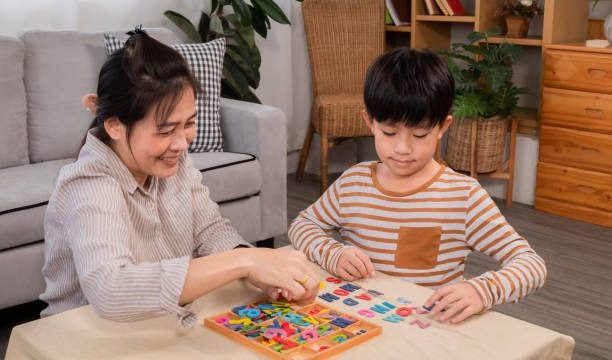
Play is inherently joyful, and this joy is what makes learning feel less like a chore and more like an adventure. When children engage in play, they naturally explore, experiment, and discover. This exploration often leads to a deeper understanding of concepts, as it allows them to interact with their environment in meaningful ways. Whether they are building a tower with blocks or role-playing as their favorite characters, children learn about cause and effect, problem-solving, and cooperation. These foundational skills are crucial, not only in early education but throughout life.
The beauty of play lies in its ability to foster creativity. When children are immersed in imaginative play, they tap into their creative potential, learning to think outside the box. This creativity is not limited to artistic pursuits; it extends to critical thinking and innovation. In an increasingly complex world, the ability to approach problems with a creative mindset is invaluable. Play nurtures this skill, encouraging children to envision possibilities and construct solutions.
Social interaction is another significant benefit of play. Through shared games and activities, children learn to communicate, negotiate, and empathize with others. These social skills are essential for building relationships and navigating various social landscapes. In a playful environment, children are more likely to express themselves freely and develop confidence in their abilities. The laughter and camaraderie that come from play create a sense of belonging, which is crucial for emotional well-being.
As we consider the role of play in learning, it is essential to recognize that it is not just for children. Adults, too, can benefit from incorporating play into their lives. Engaging in playful activities can alleviate stress, boost creativity, and enhance problem-solving abilities. Whether it’s through games, sports, or creative hobbies, adults can find joy in play, which in turn can lead to a more balanced and fulfilling life.
A small shift toward balance can occur when we prioritize play alongside our responsibilities. In the hustle and bustle of daily life, it’s easy to forget to take a moment for ourselves to engage in activities that bring joy. Making time for play can enhance our overall well-being, leading to improved focus and productivity in our professional lives. When we allow ourselves to play, we recharge our mental and emotional batteries, making us more resilient and adaptable.
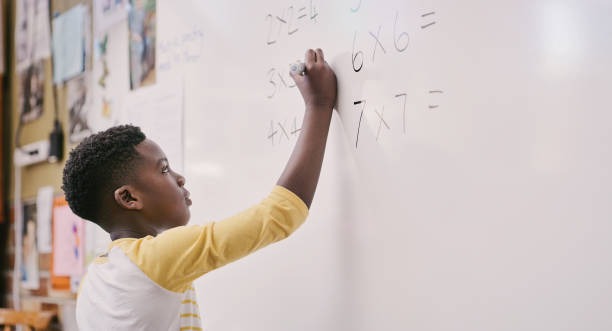
In educational settings, incorporating play into the curriculum has shown to yield positive results. Teachers who embrace play-based learning create an environment where students feel safe to explore and take risks. This approach encourages a love for learning, as students are not just passive recipients of information but active participants in their educational journey. By integrating play into lessons, educators can make complex subjects more relatable and engaging.
The concept of play as a learning tool is supported by numerous studies that highlight its effectiveness. For instance, research has shown that children who engage in play-based learning demonstrate higher levels of retention and understanding compared to those who learn through traditional methods. This is because play allows for experiential learning, where concepts are not just memorized but understood through hands-on experience.
As we navigate our own learning journeys, it’s essential to embrace the playful spirit within us. Whether it’s through learning a new skill, exploring a new hobby, or simply enjoying time with friends, finding ways to incorporate play can lead to deeper insights and a richer life experience. The act of playing encourages us to be curious, to ask questions, and to seek out new experiences.
In a society that often prioritizes achievement and productivity, it can be easy to dismiss the value of play. However, recognizing play’s role in fostering a positive learning environment is vital. It reminds us that learning is not just about acquiring information but about engaging with the world in a meaningful way. Through play, we can cultivate our creativity, strengthen our social connections, and enhance our emotional well-being.
As we reflect on the impact of play on learning, we can begin to see it as an essential part of our lives, regardless of age. It invites us to approach challenges with a sense of curiosity and wonder. By allowing ourselves to play, we nurture our innate desire to learn and grow, ultimately shaping a more vibrant and fulfilling life.
In conclusion, play is a cornerstone of positive learning. It enriches our experiences, fosters creativity, and builds social connections. By embracing play, we not only enhance our own learning but also create a more joyful and balanced life. So, whether you’re a parent, educator, or simply someone looking to bring more joy into your life, remember to prioritize play. It is through play that we learn, grow, and discover the beauty of life.