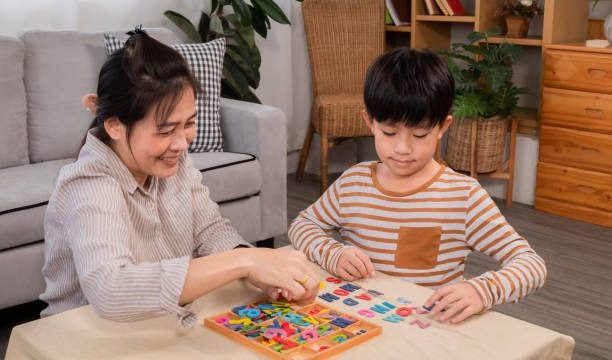
Inspiring Early Readers Through Play
The world of reading is a magical realm, filled with adventure, knowledge, and imagination.
For young children, stepping into this world can be both exciting and daunting.
As parents and caregivers, we hold the key to unlocking this enchanting experience. One of the most effective ways to nurture early literacy skills is through play. When learning is infused with joy and creativity, it becomes a delightful journey rather than a chore.
Creating a playful learning environment can help children develop a love for reading that lasts a lifetime. By integrating playful activities into daily routines, we can inspire early readers and foster a sense of curiosity and exploration.
A gentle exploration of language
Language is the foundation of reading, and play offers a wonderful opportunity for children to explore it. Simple activities like singing songs, reciting nursery rhymes, and engaging in storytelling can introduce children to the rhythm and sound of words. These activities not only enhance vocabulary but also build phonemic awareness, which is crucial for reading success.
Consider setting aside a few minutes each day for a lively sing-along. Choose songs with repetitive phrases or rhyming words, as these elements make it easier for children to anticipate and remember the lyrics. As they sing, they are not only having fun but also absorbing the nuances of language in a relaxed environment.
Storytime can also be transformed into an engaging play experience. Instead of simply reading a book, bring the story to life. Use props, puppets, or even costumes to act out scenes. This immersive approach captures children’s attention and encourages them to interact with the narrative. They may even be inspired to create their own stories, leading to a deeper connection with the written word.
Embracing creativity through art
Art and reading are closely intertwined, as both encourage self-expression and imagination. Incorporating creative activities like drawing, painting, or crafting can enhance children’s understanding of stories and characters. After reading a book, invite your child to illustrate their favorite scene or character. This not only reinforces comprehension but also allows them to express their interpretation of the story.
You might also consider creating a storybook together. Use simple materials—paper, crayons, and stickers—to craft a personalized book. Encourage your child to dictate the story to you while you write it down. This collaborative effort not only strengthens their narrative skills but also gives them a sense of ownership over their creation.
As they flip through the pages of their handiwork, they will be reminded of the joy of reading and storytelling. This connection between art and literacy can inspire a lifelong appreciation for both.
The power of imaginative play
Imaginative play is a natural extension of reading. Children often recreate stories they have heard or read, using their toys and everyday objects as characters and props. This type of play is crucial for developing comprehension skills and fostering creativity. When children engage in role-playing, they explore different perspectives and scenarios, deepening their understanding of the story’s themes.
Encourage your child to act out their favorite books or create new tales using their toys. By stepping into different roles, they learn to empathize with characters and understand their motivations. This process not only enhances their reading skills but also nurtures emotional intelligence and social skills.
You might also consider setting up a themed play area that reflects a beloved story. For instance, if your child enjoys the tale of “The Three Little Pigs,” create a cozy space with materials to build their own houses. This hands-on experience allows them to engage with the narrative on a deeper level while having fun in the process.
Connecting with nature
Nature offers a rich backdrop for play and learning. Exploring the outdoors can provide endless opportunities for storytelling and imagination. A simple walk in the park can spark discussions about the different plants, animals, and landscapes encountered along the way. Encourage your child to describe what they see and hear, fostering their observational skills and vocabulary.
Consider bringing along a few books related to nature. After your outdoor adventure, settle down for a picnic and read together. This combination of exploration and reading creates memorable experiences that reinforce the connection between the natural world and literacy.
In addition to reading, you can inspire creativity by inviting your child to collect leaves, flowers, or stones during your outings. Encourage them to create a nature journal where they can draw or write about their findings. This project nurtures both their artistic skills and writing abilities while deepening their connection to the environment.
The joy of shared reading
One of the most powerful ways to inspire early readers is through shared reading experiences. Snuggling up with a book can create a sense of comfort and security, making reading a cherished activity. Choose books that resonate with your child’s interests, and allow them to take the lead in selecting stories.
As you read together, pause to ask questions and encourage discussion. This interactive approach not only promotes comprehension but also demonstrates that reading is a collaborative experience. Celebrate their ideas and interpretations, making them feel valued and heard.
Creating a cozy reading nook at home can also enhance the shared reading experience. Fill it with cushions, blankets, and a variety of books. This special space invites your child to explore literature independently, fostering a sense of autonomy in their reading journey.
Inspiring early readers through play is a beautiful way to cultivate a love for literacy. By weaving together language, creativity, imaginative play, nature exploration, and shared reading, we can nurture young minds and spark their curiosity. Ultimately, the goal is to create a joyful learning environment where children feel empowered to explore the world of words. As they embark on this journey, they will discover that reading is not just a skill but a gateway to limitless adventures.