In the bustling world of parenting and education, there’s a gentle yet powerful concept that has been gaining traction: learning through play.
It’s a philosophy that champions the idea that children can build strong foundations for their future while engaging in activities that spark joy and creativity.
As we explore this idea, we’ll uncover how play can serve as a potent tool in nurturing a child’s development, paving the way for lifelong learning.
The essence of learning through play lies in its inherent ability to engage children in a way that is both enjoyable and meaningful. Imagine a child engrossed in building a tower with blocks, their tiny hands meticulously stacking each piece. In this moment, they are not merely playing; they are experimenting with concepts of balance, gravity, and spatial awareness. Each toppled tower is a lesson in resilience, prompting a thoughtful reflection on what works and what doesn’t. This kind of experiential learning forms the bedrock of critical thinking and problem-solving skills, which are essential throughout life.
Play is not just a source of entertainment; it’s a rich landscape for exploration. When children are given the freedom to choose their activities, they embark on adventures that stimulate their imagination. Whether it’s pretending to be a chef in a make-believe kitchen or constructing a spaceship out of cardboard boxes, these scenarios allow children to express themselves and develop their creativity. Imaginative play fosters cognitive growth, enhancing language skills and social development as children negotiate roles and share ideas with their peers.
A small shift toward balance can be observed in how we approach learning today. Gone are the days when education was confined to the classroom, marked by rigid structures and strict rules. Now, there is a growing recognition of the importance of integrating play into educational settings. Many educators are embracing this approach, designing curriculums that weave playful activities into traditional learning. This not only makes the experience more engaging but also caters to different learning styles, ensuring that every child has the opportunity to thrive.
The benefits of learning through play extend beyond cognitive development; they also touch on emotional and social growth. Through play, children learn to navigate their feelings, understand empathy, and build relationships with others. Collaborative games encourage teamwork and communication, teaching kids how to work together toward common goals. As they engage in these interactions, they develop essential social skills that will serve them well throughout their lives. The ability to express emotions, resolve conflicts, and collaborate with others is invaluable, both in personal relationships and in professional environments later on.
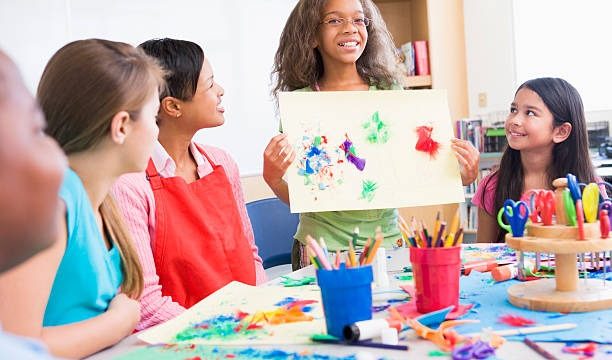
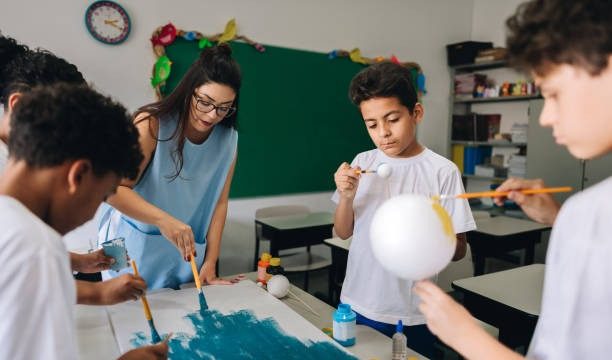
While the concept of learning through play is increasingly recognized, it’s important to acknowledge that not all play is created equal. Quality matters. Engaging play experiences are those that are open-ended, allowing children to explore and create without predetermined outcomes. Toys and activities that encourage creativity and imagination often yield the most significant developmental benefits. Simple materials, such as clay, art supplies, or nature items, can inspire children to think outside the box and engage deeply with their surroundings.
In our fast-paced world, it can be easy to overlook the importance of unstructured playtime. The modern-day hustle often prioritizes scheduled activities and structured learning, leaving little room for spontaneous exploration. However, carving out time for free play is essential. It provides children with the opportunity to unwind, explore their interests, and cultivate a sense of independence. This unstructured time is where the magic happens—where curiosity leads to discovery and creativity flourishes.
As parents and caregivers, we play a significant role in fostering an environment that values learning through play. It starts with being present and engaged in our children’s activities. Encouraging their interests, participating in their games, and providing diverse materials can enhance their play experience. Rather than directing their play, we can adopt a supportive role, allowing them to take the lead. This not only nurtures their confidence but also reinforces their ability to make choices and solve problems.
In addition to supporting play at home, it’s essential to advocate for play-centered approaches in educational settings. Engaging with teachers and schools about the importance of integrating play into the curriculum can help create a more balanced learning environment. When educators prioritize play, they foster a love of learning that can last a lifetime. This collaborative effort between parents and educators creates a community that values holistic development, paving the way for children to thrive.
Ultimately, learning through play is about recognizing the profound impact of joyful exploration on a child’s growth. It’s a gentle reminder that education doesn’t have to be a chore; it can be an adventure filled with laughter, creativity, and discovery. As we embrace this philosophy, we not only support our children in developing essential skills but also cultivate a lifelong passion for learning.
In a world that sometimes feels overwhelming, let’s cherish the beauty of play. By providing our children with opportunities to engage, explore, and express themselves, we are laying the groundwork for a future filled with curiosity, resilience, and joy. As they navigate their path, they will carry with them the lessons learned during those carefree moments of play—a treasure trove of experiences that will shape who they are and who they will become.