In the bustling world of early childhood education, a gentle shift is taking place.
Parents and educators alike are increasingly recognizing the profound importance of play in the learning process.
Learning through play is not just a concept; it’s a philosophy that embraces the natural curiosity and creativity of young children. This approach fosters a nurturing environment where children can explore, discover, and grow, laying the foundation for lifelong learning.
At its core, play is an essential part of childhood. It’s how children engage with the world around them, testing boundaries, and experimenting with ideas. Through play, they develop critical skills that will serve them well throughout their lives. Whether it’s building blocks, pretending to be superheroes, or exploring nature, play provides endless opportunities for learning and development.
When we think about learning in traditional terms, we often picture formal classrooms, textbooks, and structured lessons. However, young children thrive in an atmosphere that allows them to learn through exploration and imagination. Instead of being confined to desks, they can move freely, interact with their peers, and engage their senses. This dynamic environment helps to cultivate their social skills, emotional intelligence, and cognitive abilities.
One of the most beautiful aspects of learning through play is that it naturally integrates various domains of development. For instance, when children engage in pretend play, they not only enhance their creativity but also practice language skills as they communicate with their friends. They learn to negotiate roles, share ideas, and express themselves, all while having fun. This type of play nurtures their emotional and social growth, helping them to understand empathy and cooperation.
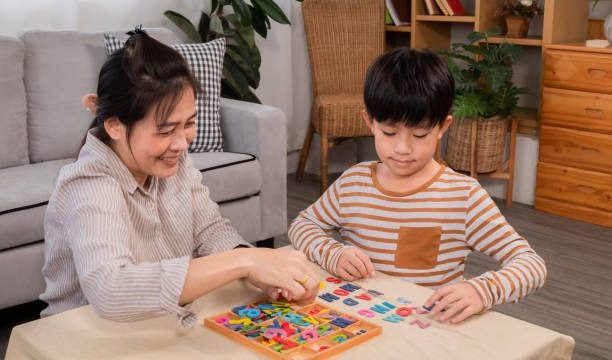
Consider the simple act of playing with blocks. As children stack and balance these colorful pieces, they are unknowingly delving into the world of physics. They experiment with concepts like gravity, weight distribution, and even basic engineering. This hands-on experience solidifies their understanding of complex ideas in a way that rote memorization simply cannot achieve. The joy of building something with their own hands instills a sense of accomplishment and boosts their confidence.
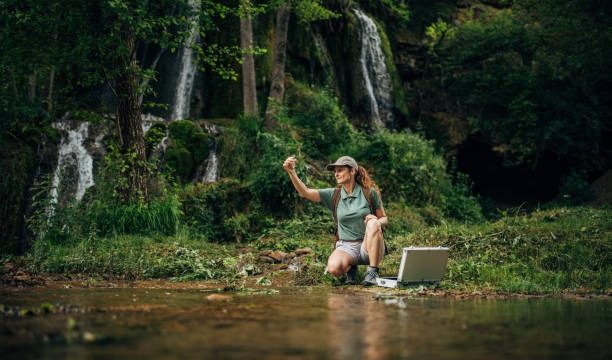
The environment in which children play significantly influences their learning experiences. A thoughtfully designed space, filled with diverse materials and opportunities for exploration, encourages children to take initiative and make choices. Natural elements, open-ended toys, and areas for both quiet reflection and active play can create a harmonious balance that stimulates creativity. In such spaces, children feel safe to express themselves and explore their interests, leading to deeper and more meaningful learning.
As parents and caregivers, it’s essential to embrace this philosophy of learning through play. It can be tempting to focus solely on academic achievements, but nurturing a child’s playfulness is equally vital. When we allow children the freedom to play, we are giving them permission to explore their interests and develop their unique identities. This fosters resilience, adaptability, and a love for learning that will last a lifetime.
Incorporating play into daily routines doesn’t have to be complicated. Simple activities like cooking together, gardening, or even going for a nature walk can provide rich learning opportunities. Ask open-ended questions during these moments to encourage critical thinking and problem-solving. For example, while cooking, you might ask, “What do you think will happen if we add more salt?” This stimulates curiosity and allows children to think through their answers.
Moreover, it’s important to remember that not all play looks the same. Children have different preferences and styles of play, and that’s perfectly okay. Some may enjoy solitary play, while others thrive in group settings. By observing and understanding their individual needs, we can better support their learning journeys. Encouraging children to follow their interests and passions can lead to a more fulfilling and enriching experience.
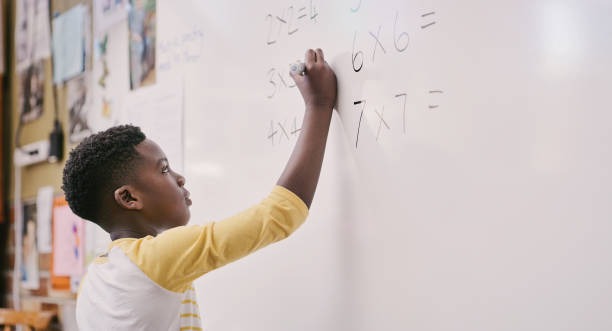
As children grow, the role of play continues to evolve. While their play may become more structured, the essence of learning through play remains. Even in more formal educational settings, incorporating playful elements can enhance engagement and motivation. Educators can weave in games, hands-on activities, and collaborative projects to create a vibrant learning atmosphere that resonates with students of all ages.
The impact of learning through play extends beyond the classroom and into the home. By fostering a playful environment, families can strengthen their bonds and create lasting memories. Playful interactions become opportunities for connection, laughter, and growth. Whether it’s a family game night, a trip to the park, or a cozy reading session, these moments enrich relationships and nurture a sense of belonging.
As we navigate the complexities of modern life, it’s essential to hold onto the simplicity and joy of play. In a world that often emphasizes outcomes and results, we must remind ourselves of the intrinsic value of the process. Learning through play is not just about acquiring knowledge; it’s about embracing curiosity, creativity, and joy.
In conclusion, learning through play is a fundamental aspect of early childhood development that deserves our attention and celebration. It enriches children’s lives in countless ways, fostering their emotional, social, and cognitive growth. By creating nurturing environments that prioritize play, we empower children to explore their world, develop critical skills, and cultivate a lifelong love for learning. As we support their journeys, let us cherish the magic of play and the endless possibilities it brings. After all, in the heart of every child lies an explorer, ready to discover the world, one playful moment at a time.