In recent years, the concept of learning through play has gained traction, especially in group settings.
This approach is not just a whimsical idea; it’s rooted in a deep understanding of how children—and even adults—absorb information and develop skills.
When we think of learning, we often picture structured classrooms filled with textbooks and lectures. However, the reality is that some of the most profound learning occurs in the context of play, especially when shared with others.
The beauty of learning through play lies in its natural appeal. It invites curiosity and exploration, encouraging individuals to engage with their environment and each other. In group settings, this dynamic becomes even richer, creating an atmosphere where collaboration and communication flourish. Whether in a classroom, a community center, or even at home, fostering an environment where play is a key component can lead to significant developmental benefits.
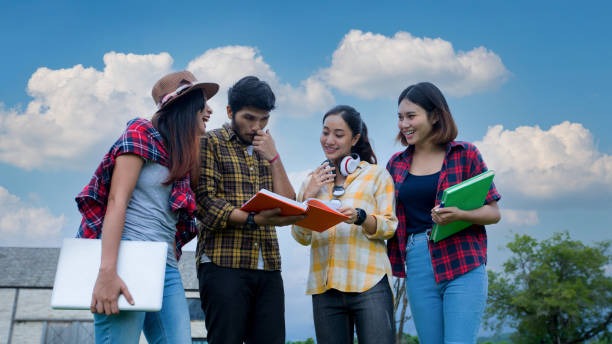
One of the most compelling aspects of play is its ability to break down barriers. In a group setting, individuals come together with diverse backgrounds, perspectives, and experiences. Through play, these differences can be celebrated rather than seen as obstacles. Games and activities often require teamwork, prompting participants to communicate, negotiate, and find common ground. This not only enhances social skills but also encourages empathy as individuals learn to appreciate each other’s viewpoints.
Engaging in play also promotes creativity and problem-solving. When participants are immersed in a playful environment, they are more likely to think outside the box. The freedom that comes with play allows for experimentation, where mistakes are seen as opportunities for growth rather than failures. In a group context, this can lead to innovative solutions as individuals bounce ideas off one another, building on each other’s strengths and insights. The collaborative nature of play encourages everyone to contribute, fostering a sense of belonging and shared ownership of the learning process.
Another remarkable benefit of learning through play in group settings is the enhancement of emotional intelligence. Play often involves navigating a range of emotions, from joy and excitement to frustration and disappointment. When participants face challenges together, they learn to support one another emotionally, developing resilience and coping skills. This shared experience can create strong bonds, leading to lasting friendships and a supportive community. As individuals express their feelings and learn to read the emotions of others, they cultivate a deeper understanding of themselves and their peers.
Creating an environment that encourages playful learning requires a thoughtful approach. It’s essential to recognize the value of unstructured play, where individuals can explore their interests freely. While some structured activities can provide valuable learning experiences, allowing for spontaneous play can lead to unexpected discoveries. This balance is crucial; it respects individual agency while also guiding participants towards shared goals.
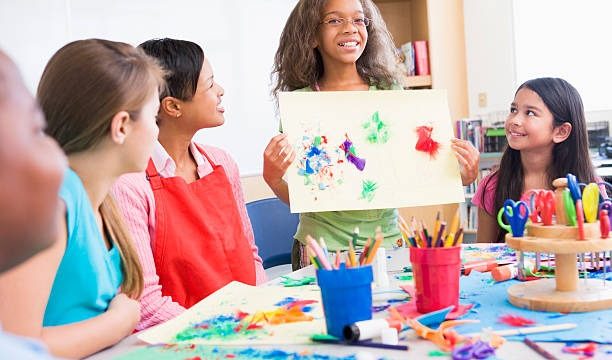
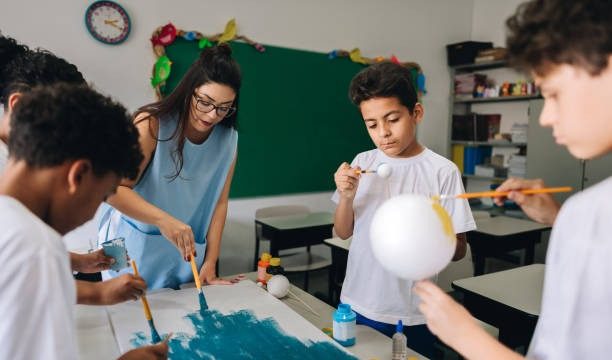
Incorporating elements of play into learning activities can take many forms. Simple games, storytelling, role-playing, and art can all serve as vehicles for exploration. The key is to ensure that these activities are engaging and relevant to the participants. For instance, a group of children might learn about nature by embarking on a scavenger hunt, where they not only discover new plants and animals but also collaborate and share their findings. Adults, too, can benefit from similar experiences, perhaps through team-building exercises that promote trust and cooperation.
As we delve deeper into the benefits of learning through play, it’s important to acknowledge the role of the facilitator. Whether a teacher, group leader, or parent, the facilitator plays a crucial role in guiding the experience. Their presence can help create a safe environment where participants feel comfortable taking risks and expressing themselves. Facilitators can encourage participation, model positive interactions, and help navigate conflicts, ensuring that the group remains focused on learning and growth.
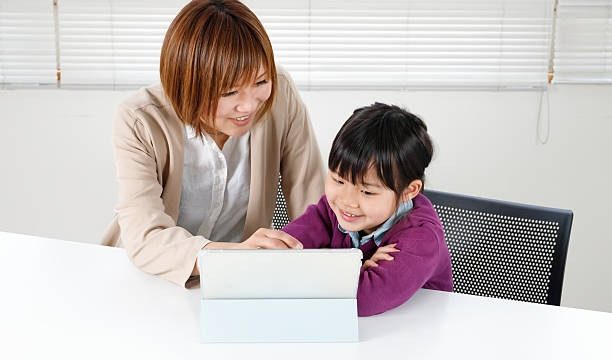
A small shift toward balance is also essential when considering the role of technology in play. In our increasingly digital world, screens often dominate our interactions. While technology can offer some engaging learning opportunities, it’s crucial to balance screen time with face-to-face interactions. Encouraging group play that involves physical activity, creativity, and collaboration can help mitigate the isolating effects of excessive screen use, fostering deeper connections and more meaningful learning experiences.
Ultimately, learning through play in group settings is a holistic approach that nurtures the mind, body, and spirit. It acknowledges that learning is not a one-size-fits-all process but rather a multifaceted journey that thrives on interaction and engagement. As we embrace this philosophy, we open the door to a world where individuals feel empowered to explore, create, and connect.
In conclusion, the power of play as a vehicle for learning is undeniable. In group settings, it transforms the way we engage with one another, fostering collaboration, creativity, and emotional growth. By championing this approach, we not only enrich the learning experience but also cultivate a sense of community and belonging. As we continue to explore the depths of human connection and understanding, let us remember the joy and discovery that comes from learning through play. Whether we’re young or simply young at heart, there’s always something new to discover when we allow ourselves to embrace the playful spirit within us.