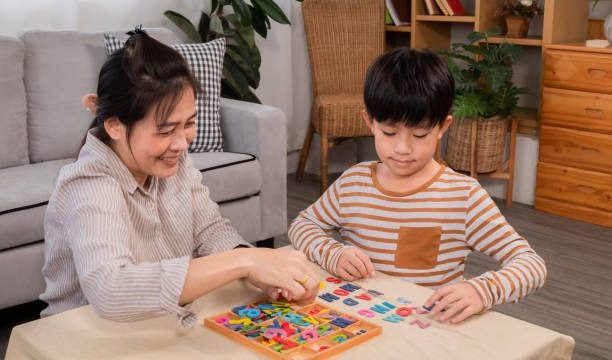
In today’s fast-paced world, the importance of learning through play is often overshadowed by a focus on structured education.
However, there’s a growing recognition that play is a vital part of childhood development and can also be a delightful way for families to bond.
One of the most exciting aspects of learning through play is that it doesn’t always require fancy toys or elaborate setups. In fact, some of the best learning experiences can come from everyday items found around the home.
A gentle introduction to learning through play
Imagine a rainy afternoon where the kids are restless, and the idea of a screen seems far too tempting. Instead of reaching for a tablet or turning on the television, consider what you might have around the house. Everyday items can become powerful tools for creativity and learning. A simple cardboard box can transform into a spaceship, a fort, or even a time machine, sparking imagination and narrative skills. The key is to encourage children to see the potential in the mundane, fostering a sense of curiosity about the world around them.
Engaging the senses with simple materials
One of the beautiful aspects of play is that it can engage all the senses. Items like rice, pasta, or beans can be used in sensory bins, allowing children to explore textures, sounds, and even basic math concepts through pouring, scooping, and counting. These activities not only promote fine motor skills but also invite children to explore scientific concepts like volume and gravity in a hands-on way.
Similarly, kitchen items like pots and pans can become instruments for a spontaneous jam session. Children can experiment with rhythm, sound, and even volume, all while having fun. This kind of play nurtures creativity and self-expression, offering a joyful way to learn about music and sound dynamics.
The art of storytelling with everyday objects
Storytelling is an age-old tradition that is vital for cognitive development. With everyday items, you can create a rich tapestry of tales. A simple collection of toys, kitchen utensils, or even household items can serve as characters or props in a story. Encourage your child to pick a few objects and invent a narrative around them. This not only enhances their imagination and creativity but also helps develop language skills as they articulate their thoughts and ideas.
Furthermore, you can take this a step further by acting out the stories together. This physical involvement can deepen their understanding of narrative structure and character development, all while fostering a sense of teamwork and shared experience.
Scientific exploration through everyday experiences
Everyday items can also provide a gateway into the world of science. A simple experiment can be conducted using vinegar and baking soda to create a fizzy eruption. This delightful reaction serves as an introduction to basic chemistry concepts. Observing how the two substances interact can spark questions about cause and effect, encouraging critical thinking.
Another fun activity involves exploring the properties of water. Use cups, bottles, and different containers to investigate concepts like buoyancy and displacement. Children can learn about the world around them through these playful experiments, all while developing a sense of wonder and curiosity.
The beauty of art and creativity
Art doesn’t have to mean expensive supplies or intricate projects. Everyday items can be repurposed into beautiful works of art. Old magazines can be cut up for collages, while empty toilet paper rolls can become the base for creative sculptures. Encourage children to think outside the box, using what they have to express their artistic vision.
Moreover, nature can also play a role in art-making. Leaves, flowers, and stones can be gathered from outside and used to create natural art pieces. This not only promotes creativity but also instills a sense of appreciation for the environment, encouraging children to explore the beauty of the world around them.
Fostering social skills through cooperative play
Learning through play isn’t just about individual exploration; it also creates opportunities for social interaction. When children engage in play together, they learn crucial social skills like sharing, negotiation, and empathy. Simple games using everyday items, like a makeshift ball made from crumpled paper, can foster teamwork and collaboration.
Encouraging group play can help children navigate relationships and develop communication skills. Whether they are working together to build a fort or engaging in a friendly game, these interactions provide invaluable lessons that extend beyond the confines of formal education.
Creating an environment for exploration
To truly embrace learning through play with everyday items, it’s important to create an environment that encourages exploration. Designate a space where children feel free to experiment and create without the fear of making a mess. This could be a corner of a room or even a specific time during the day dedicated to unstructured play.
In this space, provide a variety of materials that are safe and accessible. Encourage children to mix and match items, letting their imaginations run wild. The goal is to foster an atmosphere of creativity and curiosity, where learning feels like an adventure rather than a chore.
A lasting impact on learning
Ultimately, the beauty of learning through play with everyday items lies in its simplicity and accessibility. It shows that education doesn’t have to be confined to a classroom or formal lessons. By embracing the power of play, we can nurture creativity, curiosity, and critical thinking in children, setting the foundation for a lifelong love of learning.
In a world that often emphasizes structured learning, it’s refreshing to remember that the most profound lessons can come from the simplest experiences. So next time you find yourself with a few everyday items and a curious child, take a moment to explore the possibilities together. You might just discover that the joy of learning is right at your fingertips.