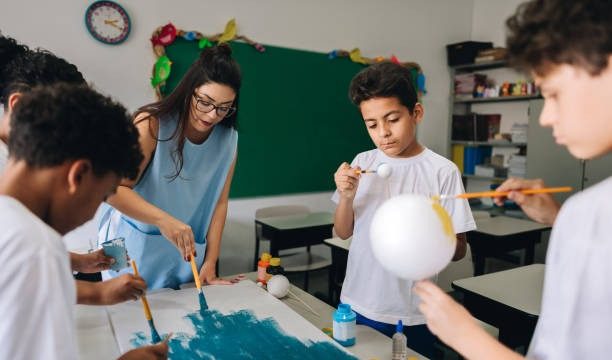
In today’s fast-paced world, where schedules are packed and screens often dominate our attention, the importance of free play cannot be overstated.
It is a natural form of exploration that fosters creativity, nurtures problem-solving skills, and supports emotional well-being.
As adults often caught in the hustle of daily responsibilities, it’s easy to overlook the simple joy and profound benefits of allowing children the freedom to play. This article explores the significance of free play, encouraging a shift towards valuing exploration in our lives and the lives of our little ones.
Free play is a beautifully organic process, allowing children to engage with their surroundings in a way that feels instinctive and fulfilling. When children are given the space to play freely, they become explorers in their own right. Whether it’s building a fort out of couch cushions, pretending to be superheroes, or creating imaginary worlds with their toys, the possibilities are endless. This type of play is not just a pastime; it is a vital part of childhood development, laying the groundwork for skills that will serve them throughout their lives.
A gentle shift in focus
As parents and caregivers, we often feel the pressure to guide every aspect of a child’s development. While structure and guidance are important, there is immense value in stepping back and allowing kids the freedom to dictate their playtime. This doesn’t mean abandoning them to their own devices; rather, it invites a balance where children feel empowered to explore their interests. By providing a safe environment and a few simple resources, we can nurture their curiosity and watch as they create their own adventures.
When children engage in free play, they learn to navigate challenges on their own. They experiment with social dynamics, resolve conflicts with peers, and develop resilience as they encounter obstacles. This autonomy fosters a sense of confidence and self-worth, essential traits that will carry over into their academic and personal lives. It’s fascinating to witness how a simple cardboard box can transform into a spaceship or a castle, igniting imagination and encouraging problem-solving in ways that structured activities often cannot.
The beauty of unstructured time
In our quest to enrich our children’s lives, we may inadvertently overschedule their days with activities and lessons. While these experiences can be beneficial, it’s crucial to carve out time for unstructured play. This is where the magic happens. Without the constraints of a structured environment, children can let their imaginations run wild, leading to moments of pure creativity and joy.
Imagine a sunny afternoon in a backyard, where children are free to roam, climb trees, and explore nature. In this setting, they are not just playing; they are learning about the world around them. They might discover the texture of different leaves, the sound of rustling grass, or the joy of finding a ladybug. Each small encounter contributes to a larger understanding of their environment, promoting curiosity that can last a lifetime.
Encouraging exploration in everyday life
Supporting exploration through free play doesn’t have to be limited to designated playtime. It can be woven into the fabric of daily life. Simple activities like taking a walk in the neighborhood or visiting a local park can become opportunities for discovery. Encourage children to ask questions and explore their surroundings. What do they see? What sounds do they hear? By fostering a sense of wonder, we help them develop a deeper connection to the world.
Involving children in everyday tasks can also spark their creativity. Cooking together can turn into a science experiment as they mix ingredients and observe the changes. Gardening can become a lesson in biology as they plant seeds and watch them grow. These moments of exploration enrich their understanding of the world and reinforce the idea that learning can be fun and spontaneous.
Creating a nurturing environment
To truly support exploration through free play, it’s essential to create an environment that encourages curiosity. This doesn’t mean filling every space with toys; rather, it’s about providing a few open-ended materials that inspire creativity. Items like blocks, art supplies, or even natural elements like sticks and stones can serve as catalysts for imaginative play.
It’s also important to tune into children’s interests. If they are drawn to a particular theme—like dinosaurs or outer space—embracing that passion can lead to deeper exploration. Provide books, resources, or activities that align with their interests, allowing them to delve into subjects that fascinate them. This not only enhances their learning experience but also shows them that their interests are valued.
The role of adults in free play
While it’s essential to step back and allow children the freedom to play, adults can still play a vital role in this process. Engaging with children during their playtime can enhance their experience. Rather than directing the play, consider joining in as a supportive presence. Ask open-ended questions that encourage them to think, create, and explore further. This interaction can deepen their understanding and make the experience even more enriching.
However, it’s crucial to strike a balance. Allowing children to lead their play fosters independence, while adult involvement can provide valuable guidance and support. By being present yet unobtrusive, we create an atmosphere where children feel safe to explore and express themselves.
Finding joy in the journey
Ultimately, supporting exploration through free play is about embracing the journey rather than focusing solely on outcomes. It’s about allowing children to experience the joy of discovery, the thrill of adventure, and the satisfaction of creating something unique. As adults, we can learn from this process, remembering the importance of play in our own lives.
In a world that often prioritizes productivity and achievement, let us not forget the value of play. By nurturing a spirit of exploration, we enrich the lives of our children and cultivate a sense of wonder that can last a lifetime. So, let’s take a step back, encourage free play, and celebrate the beautiful, messy, and inspiring journey of exploration together.