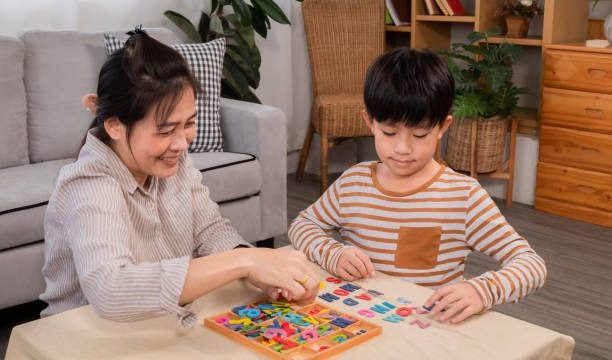
Supporting Kids as They Build a Love for Learning
As parents and caregivers, we often find ourselves navigating the delicate balance between guiding our children and allowing them the freedom to explore the world around them.
One of the most rewarding aspects of this journey is witnessing the spark of curiosity in our kids as they begin to develop a love for learning.
This journey is not always straightforward, but with a few gentle nudges and an open heart, we can support our children in embracing education as an enriching and joyful experience.
Creating a nurturing environment is essential in fostering a love for learning. A home filled with warmth, encouragement, and resources can ignite a child’s curiosity. Begin by curating a space that invites exploration. This could be a cozy reading nook with a variety of books, or perhaps an art corner stocked with supplies for creative expression. When children feel that they have a place where they can experiment and discover, their intrinsic motivation to learn often flourishes.
Another important aspect of supporting kids in their educational journey is recognizing that learning can happen anywhere. While traditional classrooms are valuable, the world outside offers countless opportunities for exploration and discovery. Consider taking family outings to museums, parks, or local farms. These experiences can be both educational and enjoyable, allowing children to connect what they learn in books with real-world applications. The more they see the relevance of their education, the more they may embrace the joy of learning.
Encouraging questions is another vital part of nurturing a love for learning. Children are naturally inquisitive, and their questions often lead to deeper understanding. When they ask, “Why is the sky blue?” or “How do plants grow?” instead of providing immediate answers, take a moment to engage with them. Explore the questions together. This not only helps them find answers but also teaches them the value of inquiry and critical thinking. It’s about fostering a mindset that values exploration over rote memorization.
A small shift toward balance can also play a significant role in how children perceive education. In a world filled with structured schedules and academic pressures, it’s easy for learning to become a chore. Instead, aim to incorporate play into learning. This could be through educational games, hands-on projects, or even simple cooking activities that involve measuring and following instructions. When children associate learning with fun, they are more likely to develop a lifelong passion for it.
Additionally, it’s important to celebrate small victories along the way. Whether it’s mastering a new math concept or finishing a book, acknowledging their achievements can boost their confidence and motivate them further. Simple praise or a small reward can make a big difference. This positive reinforcement helps children see the value in their efforts and encourages them to tackle new challenges with enthusiasm.
Another gentle approach is to model a love for learning ourselves. Children are observant and often mimic the behaviors of adults in their lives. When they see us engaged in our own learning journeys—whether it’s reading a book, taking a class, or exploring a new hobby—they are likely to mirror that enthusiasm. Sharing our experiences, including our own struggles and triumphs, can inspire them to embrace their own educational adventures.
Creating connections with peers is also a vital element in nurturing a love for learning. Encourage your child to form friendships with others who share similar interests. Group activities, whether in sports, arts, or academic clubs, can foster a sense of community and make learning feel more engaging. When children collaborate and learn from each other, they often find joy in the process, discovering that education can be a shared journey rather than a solitary task.
As we support our children, it’s crucial to remember that every child is unique. What works for one may not work for another, so remaining flexible and observant is key. Pay attention to their interests and passions, and be willing to adapt your approach based on their needs. This personalized support can help them feel valued and understood, further enriching their learning experience.
Encouraging a growth mindset is another gentle yet powerful way to foster a love for learning. Teach children that making mistakes is a natural part of the learning process. Instead of focusing solely on the end result, help them appreciate the journey of learning itself. When they understand that effort and perseverance are just as important as success, they are more likely to embrace challenges and view setbacks as opportunities for growth.
Lastly, nurturing a love for learning is also about instilling a sense of responsibility for their education. As children grow, encourage them to take ownership of their learning by setting personal goals. This could be as simple as deciding to read a certain number of books each month or exploring a new topic of interest. When children feel empowered to set and achieve their own objectives, they often develop a greater appreciation for the learning process.
Supporting kids as they build a love for learning is a beautiful journey that requires patience, creativity, and understanding. By creating a nurturing environment, encouraging curiosity, celebrating achievements, and modeling a passion for learning, we can help our children thrive in their educational pursuits. As they grow, they will carry these lessons with them, not only as students but as lifelong learners, ready to embrace the world with open minds and hearts. In this way, we can foster not just a love for learning, but a love for life itself.