The Benefits of Learning Through Play
In a world that often prioritizes structured learning and rigorous schedules, the concept of learning through play may seem like a delightful indulgence reserved for children.
However, this approach carries profound implications for individuals of all ages.
The beauty of play is that it transcends age barriers, offering a pathway to creativity, connection, and personal growth. When we engage in play, whether through games, imaginative activities, or unstructured exploration, we open ourselves up to a world of possibilities.
A gentle shift toward creativity
Play is inherently creative. It allows individuals to explore new ideas, experiment with different perspectives, and express themselves freely. When children engage in pretend play, they are not just having fun; they are developing critical thinking skills and enhancing their ability to empathize with others. For adults, rekindling the spirit of play can be just as transformative. Whether it’s picking up a paintbrush, trying out a new sport, or joining a dance class, these playful activities can stimulate the mind and foster a sense of joy.
Moreover, engaging in creative play can lead to improved problem-solving abilities. When we allow ourselves the freedom to play, we often find ourselves thinking outside the box. This open-mindedness can lead to innovative solutions in both personal and professional realms. By embracing play as a means of learning, we nurture our creativity and encourage a more flexible mindset.
The power of social connections
Play is not just an individual pursuit; it is often a shared experience that fosters connection. Whether it’s a board game night with friends, a family outing to a local park, or a group cooking class, play creates opportunities for bonding. These shared experiences can enhance relationships and build a sense of community. Engaging in playful activities with others allows for laughter, collaboration, and the creation of lasting memories.
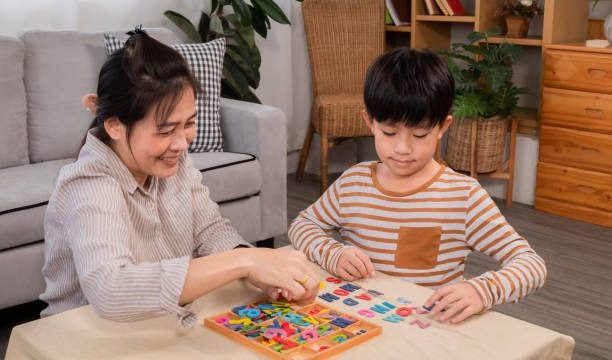
For children, play is a vital way to develop social skills. Through cooperative play, they learn to communicate, negotiate, and resolve conflicts. These skills are essential for navigating relationships throughout life. Adults, too, can benefit from the social aspects of play. In a world that often feels disconnected, engaging in playful activities with others can help foster deeper connections and a sense of belonging.
A pathway to emotional well-being
Play also serves as a powerful tool for emotional regulation. When we engage in playful activities, we often experience a release of stress and tension. Laughter, joy, and even lighthearted competition can elevate our mood and provide a much-needed break from the demands of daily life. This emotional release is particularly important in today’s fast-paced world, where stress can easily accumulate.
For children, play is a safe space to express their emotions and work through challenges. Through play, they can explore their feelings, confront fears, and build resilience. Adults, too, can find solace in play as a way to navigate life’s ups and downs. Whether it’s through the joy of a game or the creativity of a hobby, engaging in play can be a form of self-care that nurtures our emotional well-being.
Cultivating a growth mindset
Learning through play encourages a growth mindset, a concept popularized by psychologist Carol Dweck. This mindset embraces the idea that abilities and intelligence can be developed through dedication and hard work. When we engage in playful learning, we often encounter challenges that require persistence and resilience. Instead of fearing failure, we learn to view it as an opportunity for growth.
For children, play provides a safe environment to take risks and learn from mistakes. As they navigate challenges in games or creative projects, they build confidence in their abilities and develop a sense of perseverance. Adults can also benefit from this mindset. By approaching new experiences with a playful attitude, we can reduce the pressure to succeed and instead focus on the joy of learning. This shift can lead to personal and professional growth, as we become more open to trying new things and embracing change.
Finding balance in life
Incorporating play into our lives can also help us achieve a more balanced lifestyle. In a society that often glorifies busyness and productivity, it’s essential to carve out time for leisure and enjoyment. Play serves as a reminder that life is not solely about work and responsibilities; it is also about joy, exploration, and connection.
By prioritizing play, we create space for relaxation and rejuvenation. Whether it’s spending a weekend at a local park, taking a spontaneous road trip, or simply enjoying a leisurely evening with friends, these moments of play allow us to recharge and gain perspective. In turn, this balance can lead to increased productivity and improved focus when we return to our responsibilities.
Embracing the journey
Ultimately, learning through play is about embracing the journey rather than fixating on the destination. It invites us to explore, discover, and connect in meaningful ways. Whether we are children navigating the complexities of growing up or adults seeking to enrich our lives, play offers a pathway to growth and fulfillment.
As we move through life, let us remember the value of play. It is not just a pastime; it is a vital component of our overall well-being. By engaging in playful activities, we can foster creativity, strengthen relationships, and cultivate a sense of joy that enhances our everyday experiences. So, let’s take a moment to embrace the spirit of play, allowing it to enrich our lives in ways we may have never imagined. After all, learning through play is a journey worth taking, filled with endless possibilities waiting to be explored.