In the hustle and bustle of daily life, it’s easy to overlook the incredible potential of playtime.
For children, play isn’t just a way to pass the time; it’s a vital part of their development, laying the groundwork for learning and growth.
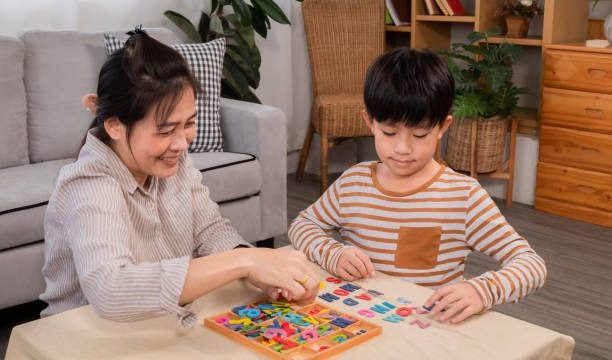
Transforming play into learning adventures is not only an enriching experience for kids but also a delightful journey for parents. By weaving educational elements into play, we can create meaningful moments that stimulate curiosity and foster a love for learning.
The essence of play is rooted in exploration and discovery. Children naturally possess an innate curiosity about the world around them. As they engage in various activities, they are not just having fun; they are experimenting, problem-solving, and developing critical thinking skills. The key is to guide this natural inclination towards exploration in a way that nurtures their learning.
One way to turn playtime into a learning adventure is through imaginative play. When children engage in role-playing scenarios, whether they’re pretending to be doctors, chefs, or astronauts, they are not merely acting out stories; they are practicing social skills, empathy, and communication. These activities provide a safe space for them to express their thoughts and feelings, all while exploring different perspectives. Encouraging children to create their own stories and scenarios can lead to deeper engagement and understanding, making learning feel like a magical journey rather than a chore.
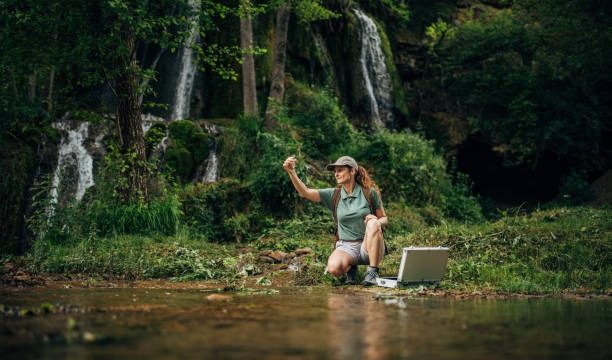
Incorporating elements of nature into play can also enhance learning experiences. Outdoor play offers a wealth of opportunities for exploration and discovery. Whether it’s observing the changing seasons, collecting leaves, or examining insects, nature serves as a dynamic classroom. Simple activities like a nature scavenger hunt can ignite a child’s curiosity about their environment. As they search for specific items, they can learn about different species, ecosystems, and the importance of conservation. These adventures not only build knowledge but also foster a sense of wonder and respect for the world.
Sensory play is another enriching avenue that allows children to learn through touch, sight, and sound. Activities such as playing with sand, water, or clay provide tactile experiences that stimulate brain development. Engaging children in sensory activities helps them to understand concepts like volume, texture, and temperature while enhancing their fine motor skills. For example, creating a small garden can teach children about plant life cycles and responsibility, all while they dig in the soil and feel the textures of different plants.
Artistic expression is yet another powerful tool for transforming play into learning. When children engage in creative activities such as drawing, painting, or crafting, they are not only expressing themselves but also developing critical cognitive skills. Art encourages imagination and innovation, allowing children to explore their feelings and ideas visually. Incorporating art into playtime can also introduce concepts such as color theory, shapes, and patterns. You might find that a simple painting session can spark discussions about emotions, storytelling, or even science, depending on the theme of their artwork.
Music and movement are equally vital in creating learning adventures during playtime. Dancing, singing, or playing musical instruments can enhance coordination, rhythm, and even language skills. Music has a unique way of connecting with children, making it a powerful medium for learning. Incorporating songs that teach numbers, letters, or even cultural stories can turn a simple dance party into a rich educational experience. Movement-based games can also promote physical health, encouraging children to stay active while learning about teamwork and cooperation.
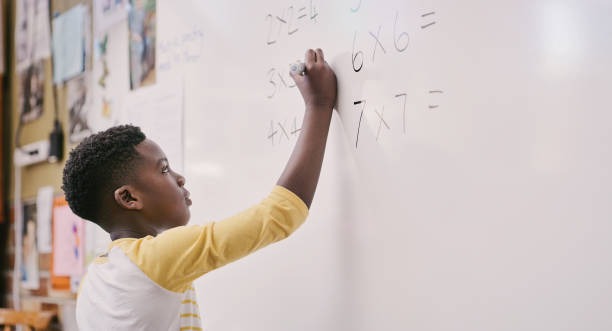
It’s also important to remember that learning doesn’t have to be confined to structured activities. Everyday moments can become opportunities for learning. Simple tasks like cooking together can teach children about measurements, following instructions, and even nutrition. Engage them in conversations about where food comes from or the science behind cooking processes. These spontaneous learning moments can be incredibly impactful, turning mundane activities into cherished memories filled with knowledge.
As parents and caregivers, our role is to create an environment where play and learning coexist harmoniously. This can be achieved by providing diverse materials and opportunities for exploration. Consider setting up different play stations in your home that encourage various forms of play, from building blocks to art supplies to science kits. By offering a variety of experiences, you invite children to explore their interests and strengths, paving the way for self-directed learning.
It’s also essential to embrace the concept of play as a process rather than a means to an end. Allow children the freedom to explore without the pressure of achieving specific outcomes. Celebrate their efforts and creativity, regardless of the results. This approach not only boosts their confidence but also instills a love for learning that can last a lifetime.
Creating learning adventures through play is a beautiful way to bond with children while nurturing their development. The laughter, joy, and curiosity that arise from these experiences create lasting memories and a foundation for lifelong learning. As we prioritize playtime, we cultivate a space where children can flourish, explore, and grow into curious, thoughtful individuals.
In a world that often emphasizes achievement and performance, let’s not forget the importance of play. By turning playtime into learning adventures, we are not just preparing children for academic success; we are equipping them with essential life skills and a sense of wonder that will serve them well throughout their journey. Embrace the magic of play, and watch as it transforms into a world of endless possibilities for your little ones.