As parents, we often find ourselves pondering the best ways to prepare our children for the world ahead.
Early skill building is an essential part of this journey, offering children a sturdy foundation for their personal and academic lives.
It’s not just about academics; it’s about nurturing a well-rounded individual capable of navigating the complexities of life. In this guide, we’ll explore gentle ways to foster essential skills in your little ones, paving the way for their growth and development.
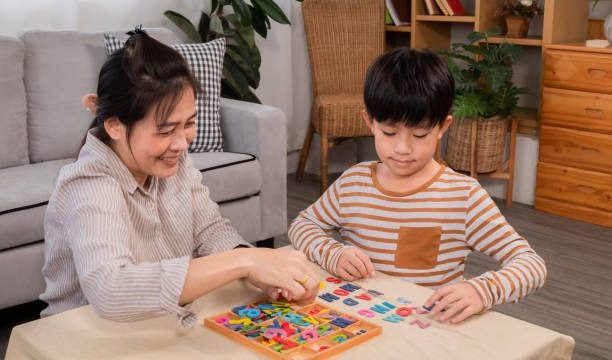
A nurturing environment plays a crucial role in early skill development. Creating a space where your child feels safe to explore, play, and learn can significantly impact their growth. This doesn’t mean you need to transform your home into a learning center filled with educational toys. Rather, it’s about cultivating an atmosphere of curiosity and support. Spend time with your child engaged in activities that spark their interest, whether it’s reading a story together, building with blocks, or simply going for a nature walk. These moments of connection can ignite a passion for learning that lasts a lifetime.
Encouraging creativity is another vital aspect of skill building. Children express themselves through various mediums, and encouraging them to explore their creative side can lead to the development of critical thinking and problem-solving skills. Provide them with materials like crayons, paints, or even everyday household items to create with. It’s less about the end product and more about the process. When children are given the freedom to create, they learn to experiment, take risks, and embrace the possibility of failure as a part of learning.
The importance of play cannot be overstated in early childhood development. Through play, children learn social skills, emotional regulation, and cognitive abilities. It’s during these playful moments that they develop the ability to cooperate with others, share, and resolve conflicts. Encouraging unstructured playtime is essential. Allow your child to engage in imaginative play, whether that means dressing up as their favorite character or creating their own games. This kind of play not only fosters creativity but also helps them learn to navigate social relationships.
In addition to fostering creativity and play, introducing basic life skills can also be beneficial. Involving your child in simple household tasks can teach them responsibility and independence. Simple activities like sorting laundry, helping with meal preparation, or even watering plants can instill a sense of accomplishment. It’s important to approach these tasks with a mindset of collaboration rather than obligation. Make it a fun experience by turning chores into games or challenges. This not only builds skills but also strengthens your bond as you work together.
Language development is another crucial area to focus on during these formative years. Engaging in conversations with your child, reading together, and introducing new vocabulary can significantly enhance their language skills. Ask open-ended questions that encourage them to express their thoughts and feelings. Storytime is a wonderful opportunity to explore different narratives and characters, helping your child develop empathy and understanding. Let them share their own stories, too; this promotes creativity and confidence in their communication abilities.
As children grow, emotional intelligence becomes increasingly important. Teaching your child to recognize and understand their emotions can set the stage for healthy relationships in the future. Encourage them to express how they feel, whether it’s through words, art, or play. Acknowledge their emotions and validate their experiences, helping them learn to navigate their feelings. This foundation of emotional awareness will serve them well as they encounter the ups and downs of life.
Physical skills are equally important in a child’s early development. Encouraging active play not only builds physical strength and coordination but also contributes to their overall well-being. Regular physical activity is essential for developing motor skills, balance, and confidence. Activities like running, jumping, or dancing can be incorporated into daily routines in a fun and engaging way. Outdoor play offers an excellent opportunity for children to explore their physical capabilities while also connecting with nature.
As parents, it’s vital to model a love for learning and growth. Children are keen observers, often mimicking the behaviors they see in adults. Share your interests and passions with them, whether it’s gardening, cooking, or reading. Your enthusiasm can inspire them to explore their own interests. Encourage a mindset of lifelong learning, where mistakes are seen as opportunities to grow rather than setbacks. This approach will instill resilience and adaptability in your child, essential traits in today’s ever-changing world.
Building a support network can also be beneficial for both you and your child. Connecting with other parents, caregivers, or community resources can provide additional tools and insights into early skill development. Playgroups, parent workshops, and community classes can offer new perspectives and ideas. Sharing experiences with others can create a sense of belonging and support, reminding you that you are not alone in this journey.
As you embark on this journey of early skill building, remember that every child is unique. What works for one may not work for another. Be patient and flexible, allowing your child to guide their own learning process. Celebrate their small victories and encourage them to embrace challenges. This nurturing approach will help foster a confident, capable individual ready to take on the world.
In conclusion, early skill building is a gentle, ongoing process that requires time, patience, and love. By creating a supportive environment, encouraging creativity and play, and nurturing emotional intelligence, you can help your child develop essential skills that will serve them well throughout their lives. Embrace this journey together, and cherish the moments of discovery and growth that come with it. The skills they build today will lay the groundwork for a bright and fulfilling future.