Building Reading Readiness Through Phonics
In a world where communication is woven into the very fabric of our daily lives, the ability to read stands as a fundamental skill that opens doors to knowledge, imagination, and connection.
For young learners, the journey to reading proficiency can be both exciting and challenging.
One of the most effective pathways to reading readiness is through phonics, a method that not only teaches the sounds of letters but also builds a strong foundation for lifelong literacy.
Phonics can be understood as the bridge between spoken language and written words. It introduces children to the sounds that letters and combinations of letters make, allowing them to decode words and develop their reading skills. This approach emphasizes the relationship between phonemes—the smallest units of sound—and graphemes, the letters or groups of letters that represent those sounds. By engaging with phonics, children can unlock the mysteries of written language, making reading an accessible and enjoyable experience.
The beauty of phonics lies in its simplicity and effectiveness. By starting with the basics, children learn to recognize sounds and associate them with letters. This foundational understanding empowers them to tackle new words with confidence. As they progress, they begin to blend sounds and read simple words, gradually advancing to more complex texts. This step-by-step approach not only enhances their reading skills but also fosters a sense of accomplishment, motivating them to explore the world of books further.
Creating a nurturing environment at home can significantly enhance a child’s reading readiness. Reading together is one of the most enjoyable ways to engage with your child’s literacy journey. Choose a variety of books that resonate with their interests—whether it’s colorful picture books or stories filled with adventure. As you read aloud, emphasize the sounds of words and point to the letters on the page. This not only models good reading habits but also reinforces the connection between spoken and written language.
Incorporating phonics into everyday activities can also be a fun and natural way to enhance reading readiness. For example, while cooking, you might point out the letters on ingredients or read aloud the instructions together. Or during a walk in the park, you can spot signs and labels, encouraging your child to sound out the words. These small, everyday moments create a rich tapestry of learning opportunities that seamlessly blend phonics with real-life experiences.
As children begin to grasp phonics, it’s important to celebrate their progress, no matter how small. Each new word they decode is a victory worth acknowledging. This positive reinforcement encourages them to take risks with their reading and fosters a love for books. A simple “I noticed you sounded out that word all by yourself!” can go a long way in boosting their confidence and enthusiasm for learning.
While phonics is an essential component of reading readiness, it’s also crucial to balance it with other literacy skills. Comprehension, vocabulary development, and a love for storytelling should also be nurtured alongside phonics instruction. Engaging children in discussions about the stories they read, asking open-ended questions, and encouraging them to express their thoughts can deepen their understanding and appreciation of literature.
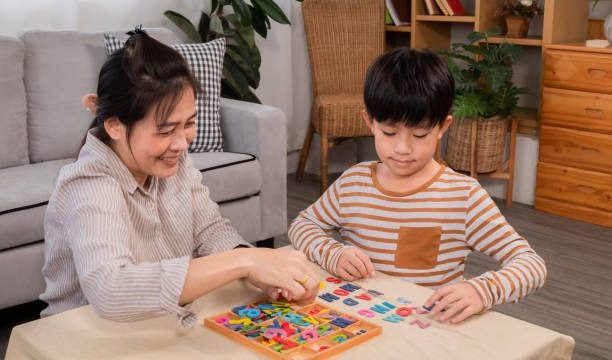
Another gentle aspect of building reading readiness through phonics involves incorporating playful activities. Games that involve letter recognition, sound matching, or word building can make learning feel like play rather than a chore. Consider using magnetic letters on the fridge or creating simple word puzzles. These activities can transform phonics practice into an enjoyable bonding experience, making literacy a shared adventure.
As children progress in their phonics journey, introducing them to phonemic awareness activities can further strengthen their skills. This involves helping them hear, identify, and manipulate sounds in words. Simple activities like clapping out syllables or playing rhyming games can enhance their auditory skills, which are essential for reading. Such playful learning experiences can be woven into daily routines, ensuring that phonics is a constant and enjoyable part of their lives.
It’s also important to recognize that every child learns at their own pace. Some may grasp phonics quickly, while others may need more time and support. Patience and encouragement are key. Creating a positive, low-pressure environment allows children to explore their reading skills without fear of making mistakes. The journey to reading readiness is unique for each child, and celebrating their individual progress fosters a love for learning that will last a lifetime.
As parents, caregivers, and educators, we play a vital role in guiding children through their reading journey. By embracing the phonics approach, we can equip them with the tools they need to become confident readers. Reading is not just about decoding words; it’s about connecting with stories, understanding the world, and finding joy in the written word.
In conclusion, building reading readiness through phonics is a beautiful journey that intertwines learning with love. By creating a supportive environment, engaging in playful activities, and celebrating progress, we can nurture a lifelong passion for reading in our children. As they unlock the doors to literacy, we can watch them embark on adventures that will shape their understanding of the world, one word at a time. Through phonics, we not only teach our children to read; we inspire them to dream, imagine, and explore the limitless possibilities that books have to offer.