Introducing Children to Basic Counting Ideas
As parents and caregivers, we often find ourselves on a beautiful journey of discovery with our children.
One of the most delightful aspects of this journey is introducing them to the world of numbers.
Counting is not just a fundamental skill; it opens the door to understanding the world around them. In this article, we will explore gentle ways to nurture counting skills in young minds, creating a foundation for future learning while keeping the experience enjoyable and stress-free.
A gentle beginning
When it comes to teaching children to count, the key is to make it a natural part of their everyday experiences. Children are naturally curious, and incorporating counting into their daily routines can spark their interest. For instance, during snack time, you might count out the number of apple slices or crackers they have. This not only reinforces counting but also makes the learning process feel organic.
You can also count the steps as you walk together, or the number of toys they have while cleaning up. By weaving counting into these mundane moments, children can see the practical application of numbers in their lives, creating a rich tapestry of learning.
Creating a playful environment
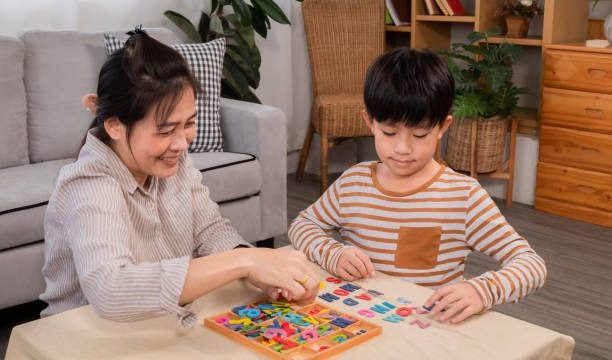
Children learn best through play, and incorporating counting into games can be an effective approach. Simple board games that involve moving pieces along a path can be an excellent way to introduce counting. As your child moves their piece, they can count the spaces they advance. This not only reinforces their counting skills but also teaches them about taking turns and following rules.
Another playful activity could be using building blocks. Encourage your child to stack a certain number of blocks or to create patterns with them. As they play, count the blocks together. The tactile experience of handling the blocks combined with the visual aspect of counting can deepen their understanding.
Nature as a classroom
The great outdoors is a treasure trove of counting opportunities. Nature walks allow for countless counting experiences, from counting the number of flowers in a garden to the number of birds you see flying overhead. Children can collect items like leaves or stones and count them as they gather. This connection to nature not only enhances their counting skills but also fosters a sense of appreciation for the world around them.
Incorporating nature into counting can be as simple as creating a scavenger hunt. You might make a list of things to find, such as three different types of leaves or five colorful flowers. As they find each item, they can check it off the list, reinforcing both counting and organization skills.
Using stories and songs
Storytime is another wonderful opportunity to introduce counting. Many children’s books incorporate numbers and counting in a fun way, making them perfect for reading aloud. Look for books that have repetitive phrases or counting themes, allowing your child to join in. As you read, pause to let them count along with you, making the experience interactive.
Songs and nursery rhymes are also effective tools for teaching counting. Many children’s songs incorporate numbers in a catchy rhythm, making them easier to remember. Singing together not only makes learning enjoyable but also enhances language skills. The repetition found in songs can help solidify their understanding of numbers, making counting feel like a game rather than a chore.
Encouraging creativity
Art can be a fantastic medium for introducing counting. Encourage your child to create artwork that involves numbers, such as drawing a certain number of stars or painting a set of flowers. This creative outlet allows them to express themselves while reinforcing their counting skills. As they create, you can count the items together, blending counting with creativity in a seamless way.
Crafts that involve cutting or folding can also incorporate counting. For instance, if you are making paper airplanes, you might count how many you create together. This not only introduces counting but also allows for exploration and experimentation, fostering a sense of achievement.
Cultivating patience and persistence
As with any new skill, learning to count takes time and practice. It’s important to be patient with your child as they navigate this new territory. Celebrate their efforts, no matter how small. Positive reinforcement can boost their confidence and encourage them to keep trying. If they miss a number or struggle with a concept, gently guide them back without pressure.
Creating an environment where mistakes are seen as part of the learning process is essential. This approach nurtures resilience and a love for learning. When children feel supported, they are more likely to engage and explore further, paving the way for a lifelong relationship with numbers.
Fostering connections
Lastly, remember that counting is not just about numbers; it’s about connection. Share your enthusiasm for counting with your child. Engage in conversations about numbers and their significance in everyday life. Discuss things like the time, age, or even how many friends they have. This helps them understand that counting is a tool for making sense of the world.
As you embark on this counting journey together, cherish the moments of discovery. The laughter, curiosity, and joy that come from learning together create lasting memories. By nurturing their counting skills in a gentle, playful manner, you are not just teaching them numbers; you are fostering a love of learning that will serve them well in all aspects of life.
In the end, the goal is not just to teach children how to count but to help them appreciate the beauty of numbers in the world around them. By creating a rich, supportive environment, we empower them to explore, discover, and grow. As they learn to count, they also learn to embrace the wonders of life, one number at a time.