Observing Motor Development Progress
As parents or caregivers, witnessing a child’s growth and development is a journey filled with wonder and joy.
Among the many milestones that mark this path, motor development stands out as a particularly fascinating aspect.
Motor skills encompass a range of movements, from the tiny, delicate motions of a newborn to the larger, more coordinated actions of a toddler. Observing these changes can be both enlightening and rewarding, providing insights into a child’s overall growth and well-being.
The early days of motor development are often characterized by a series of small but significant shifts. In the first few months, infants typically demonstrate reflexive movements, such as grasping a finger or turning their head toward sounds. These initial actions may seem simple, yet they lay the groundwork for more complex skills. It’s important to recognize that each child grows at their own pace, and these early movements serve as the foundation for future progress.
As the months pass, you may begin to notice your little one gaining more control over their body. Around the age of six months, many babies start to sit up independently, a significant achievement that opens up new opportunities for exploration. This newfound ability not only enhances their physical capabilities but also encourages curiosity about the world around them. You might find your child reaching for toys, which not only strengthens their muscles but also fosters hand-eye coordination.
A small shift toward balance occurs as infants transition from sitting to crawling. This stage, often marked by the delightful sight of a baby moving on all fours, is a critical point in motor development. Crawling not only builds strength but also enhances spatial awareness and coordination. As you observe your child navigating their surroundings, it’s a wonderful reminder of their innate drive to explore and learn.
Around the time your child approaches their first birthday, you may witness the exciting milestone of standing and, eventually, walking. The process of learning to walk is filled with wobbly steps and joyful falls, each an essential part of the learning experience. It’s a time of encouragement and support, where a steady hand can provide confidence, allowing your child to take those brave first steps into independence. The thrill of walking opens up a new realm of possibilities, and each step taken is a testament to their growing strength and balance.
As toddlers become more mobile, their motor skills continue to evolve. Running, jumping, and climbing become part of their daily play. These activities not only promote physical fitness but also serve as a means for social interaction and emotional expression. Watching your child engage in play with peers can be heartwarming, as they learn to navigate friendships, share space, and develop important social skills.
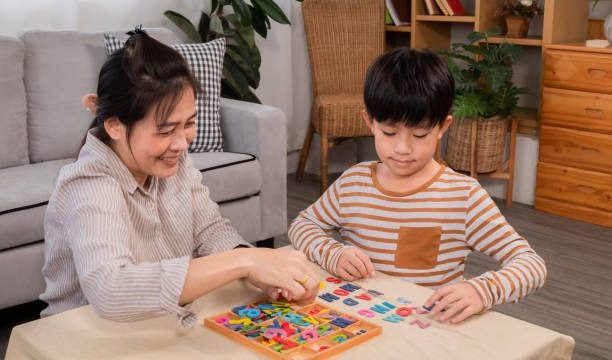
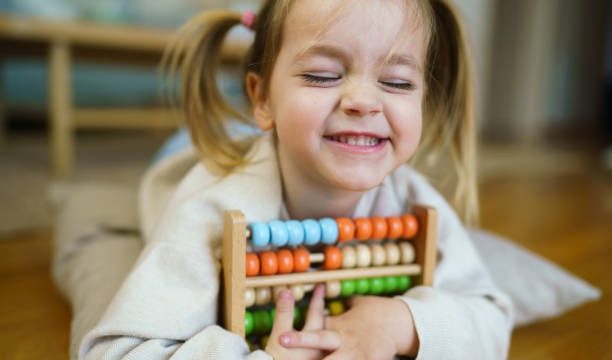
Fine motor skills also play a crucial role in a child’s development. Activities such as drawing, stacking blocks, or even simple tasks like buttoning a shirt require coordination and dexterity. As you observe these skills emerging, it’s an opportunity to foster creativity and problem-solving. Providing a variety of materials and opportunities for exploration can help nurture these abilities. Simple art projects or building games can encourage your child to experiment and express themselves in new ways.
The importance of play in motor development cannot be overstated. It is through play that children explore their environment, test their limits, and develop confidence in their abilities. As caregivers, creating a safe and stimulating space for play is vital. Whether it’s a cozy corner filled with soft toys or an open area for running and jumping, the environment can greatly influence a child’s motor development journey.
As children grow, their motor skills become increasingly complex. By the time they reach preschool age, you may notice them engaging in more coordinated activities, such as riding a tricycle or participating in group games. These experiences not only enhance physical skills but also promote teamwork and cooperation. Encouraging participation in group activities can be a wonderful way to support their social and emotional growth alongside their physical development.
It’s also essential to recognize that motor development is closely linked to cognitive and emotional growth. As children learn to control their movements, they also gain a sense of agency and independence. This newfound confidence can lead to healthier self-esteem and a willingness to take on new challenges. Celebrating their achievements, no matter how small, can foster a positive outlook and encourage a lifelong love for learning.
Parents often find themselves wondering if their child is developing at the right pace. It’s natural to have questions and concerns, especially when comparing milestones with other children. Remember that every child is unique, and variations in development are completely normal. Creating an open dialogue with pediatricians or early childhood educators can provide reassurance and guidance, ensuring that your child receives the support they need.
As you observe your child’s motor development progress, take a moment to appreciate the beauty of this journey. The small victories, the moments of discovery, and the laughter that fills the air all contribute to a rich tapestry of growth. Each stage brings its own set of challenges and joys, allowing you to witness firsthand the remarkable changes that occur as your child navigates the world.
In the end, the journey of motor development is not just about physical skills; it’s about nurturing a sense of curiosity, confidence, and connection. By providing a supportive environment filled with opportunities for exploration and play, you can help your child thrive in their development. Embrace the moments, celebrate the milestones, and cherish the unique path your child is on. As you observe their progress, you’ll find that each step is a testament to their resilience, creativity, and boundless potential.