Supporting Early Problem-Solving Skills
In today’s fast-paced world, the ability to solve problems is more crucial than ever.
From navigating social interactions to tackling academic challenges, children face a myriad of situations that call for innovative thinking and resilience.
As parents, caregivers, and educators, we have the wonderful opportunity to nurture these essential skills in our little ones. Supporting early problem-solving skills not only helps children become more independent but also instills a sense of confidence that will serve them well throughout their lives.
The journey of fostering problem-solving skills begins with creating an environment where children feel safe to explore and experiment. This does not mean simply providing them with the latest gadgets or educational toys, but rather cultivating a space that encourages curiosity. A living room turned into a makeshift science lab or a backyard transformed into an art studio can ignite a child’s imagination. When children are free to explore their interests, they naturally encounter challenges that require creative solutions.
Encouraging open-ended play is a wonderful way to support this exploration. Toys that allow for multiple uses—like building blocks, art supplies, or even simple household items—can spark a child’s creativity. When children engage in play that lacks a defined outcome, they learn to think critically about how to shape their experiences. For instance, a child might build a tower with blocks, only to watch it tumble down. This moment offers a perfect opportunity to reflect on what went wrong and how they might build it differently next time. It’s in these small moments of trial and error that children begin to understand the process of problem-solving.
Another essential aspect of nurturing problem-solving skills is encouraging questions. Curiosity is the bedrock of learning, and when children ask questions, they are actively seeking to understand the world around them. Rather than immediately providing answers, we can guide them with gentle prompts that encourage further exploration. Phrases like, “What do you think will happen if…?” or “How do you think we could solve this together?” can stimulate critical thinking and help children develop their problem-solving strategies.
As children encounter challenges, it is vital to allow them to take the lead in finding solutions. This might feel counterintuitive; as adults, we often want to step in and fix things for them. However, stepping back allows children to feel empowered in their decision-making. They may stumble or make mistakes, but these experiences are invaluable. They help children learn resilience and the importance of perseverance. When they do find a solution, no matter how small, celebrating those victories reinforces their sense of accomplishment and encourages them to tackle future challenges with confidence.
Incorporating everyday situations into problem-solving practice can also be beneficial. Simple tasks like preparing a meal or organizing a playdate can present opportunities for children to think critically. In the kitchen, for instance, a child can learn about measurements and timing while figuring out how to make their favorite dish. If things don’t go as planned, gently discussing what could be done differently next time fosters an understanding of the problem-solving process. This approach not only teaches practical skills but also encourages teamwork and communication.
Moreover, sharing stories of problem-solving—either from books or personal experiences—can inspire children and show them that challenges are a natural part of life. Reading stories where characters face difficulties and find creative solutions can spark discussions about how they might handle similar situations. Personal anecdotes about problem-solving can also demonstrate that everyone, including adults, faces challenges and learns from them. This connection can be reassuring for children and help them understand that they are not alone in their struggles.
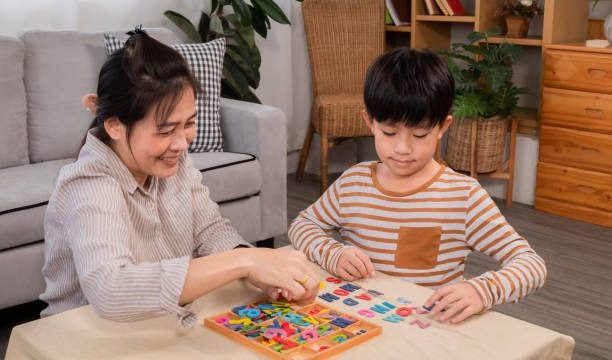
As children grow, introducing more complex problem-solving scenarios can further hone their skills. Group activities, whether in a classroom or at home, can foster collaboration and the sharing of ideas. Working together to solve puzzles or complete tasks can teach children the value of teamwork, as well as expose them to diverse perspectives. This collaborative approach not only enhances their problem-solving skills but also builds social connections that are fundamental to their development.
Emphasizing the importance of reflection after problem-solving is equally crucial. Once a child has navigated a challenge, discussing the experience can deepen their understanding. Questions like, “What worked well?” or “What would you do differently next time?” encourage children to think critically about their approaches and outcomes. This practice of reflection reinforces learning and helps them develop a growth mindset, where they view challenges as opportunities for growth rather than insurmountable obstacles.
It’s also important to recognize that every child is unique, and their approach to problem-solving may vary. Some may thrive in structured environments while others flourish in unstructured play. Being attuned to each child’s individual style allows us to provide the right kind of support. This means celebrating their successes, no matter how small, and offering encouragement during moments of frustration. By fostering a nurturing atmosphere, we help children build a strong foundation for their future endeavors.
In nurturing early problem-solving skills, we equip children with tools that will serve them throughout their lives. These skills extend far beyond childhood; they become a part of who they are as individuals. As we support them in facing challenges, we also help them develop resilience, creativity, and confidence. This journey, while sometimes challenging, is ultimately rewarding—for both children and the adults who guide them. By investing time and energy into nurturing these essential skills, we are not just helping children solve problems today; we are preparing them to navigate the complexities of tomorrow with grace and determination.