Understanding Growth Through Play
In a world that often emphasizes productivity and achievement, the notion of play can sometimes feel trivial or secondary.
However, play is not merely a pastime; it is a fundamental aspect of human development that fosters growth in various dimensions of life.
From the earliest stages of childhood to the complexities of adult life, engaging in playful activities can lead to profound insights, connections, and personal evolution.
When we think of play, we often envision children gleefully running around, lost in their imaginative worlds. Yet, play is not exclusive to the young. Adults, too, can benefit immensely from incorporating play into their lives. It serves as a bridge between the rigid structures of daily responsibilities and the fluidity of creativity and joy. In essence, play allows us to explore our identities and connect with others in meaningful ways.
The power of play lies in its ability to create a safe space for exploration. Whether it’s through games, creative arts, or even simple outdoor activities, play encourages experimentation without the fear of failure. This freedom to explore can lead to personal growth, as individuals discover new interests, refine skills, and build resilience. In a playful environment, mistakes are not seen as setbacks but rather as opportunities for learning and growth.
Embracing spontaneity is another beautiful aspect of play. Life can often feel overly structured, filled with routines and obligations. Play allows us to break free from these constraints, inviting spontaneity into our lives. This shift can spark creativity and innovation, fostering a mindset that is open to new ideas and experiences. When we engage in playful activities, we often find ourselves thinking outside the box, leading to personal and professional breakthroughs.
In addition to individual growth, play enhances our connections with others. Engaging in playful activities with friends, family, or colleagues can strengthen relationships and build community. Shared experiences of laughter and joy create lasting memories and deepen bonds. Playful interactions often foster a sense of belonging, which is essential for emotional well-being. In these moments, we are reminded of our shared humanity, transcending barriers and differences.
Moreover, play is a wonderful antidote to stress. In our fast-paced lives, it’s easy to get caught up in worries and anxieties. Taking time to engage in play can provide a refreshing break, allowing us to recharge and gain perspective. Whether it’s a game of catch in the park, a creative project at home, or simply a fun outing with friends, play can shift our focus away from stressors and into a more joyful, present state of mind. This shift is vital for maintaining balance in our lives.
For many, the idea of incorporating play into adult life may feel foreign or even indulgent. However, it’s important to recognize that play can take many forms. It doesn’t have to be elaborate or time-consuming. Simple acts of play, such as doodling, dancing in your living room, or engaging in a lighthearted conversation, can cultivate a sense of joy and connection. By allowing ourselves these moments of play, we can invite more balance and happiness into our daily routines.
A gentle reminder to nurture our inner child can also be beneficial. As we grow older, it’s easy to lose touch with the playful aspects of ourselves. Reconnecting with that inner child can reignite our passion for life and creativity. Consider activities that once brought you joy in childhood. Perhaps it’s painting, playing a musical instrument, or even climbing trees. Embracing these activities can help us rediscover the joy of living and encourage ongoing personal development.
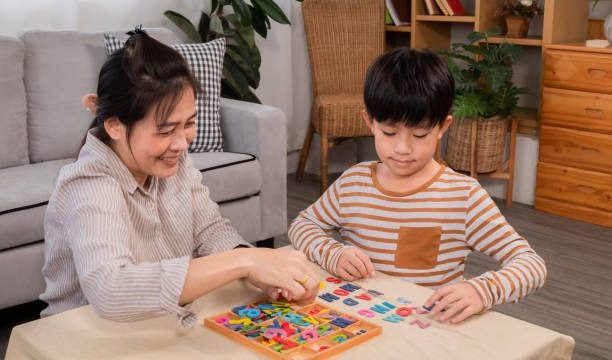
In the realm of learning, play is a powerful tool that can enhance cognitive development. Engaging in playful activities stimulates curiosity and encourages exploration, which are essential components of effective learning. Whether it’s through puzzles, role-playing, or interactive games, play can make learning enjoyable and engaging. This approach not only promotes knowledge retention but also fosters a love for lifelong learning.
As we reflect on the importance of play, it becomes clear that it is an essential component of growth in all stages of life. By allowing ourselves to engage in playful activities, we open the door to creativity, connection, and joy. We can cultivate resilience, reduce stress, and enhance our relationships with others. In a world that often prioritizes seriousness and productivity, play serves as a gentle reminder of the beauty of human experience.
Ultimately, understanding growth through play invites us to reconsider our approach to life. It encourages us to embrace spontaneity, reconnect with our inner selves, and foster meaningful connections with others. As we navigate the complexities of life, let us not forget the importance of play. By weaving moments of joy and creativity into our daily routines, we can cultivate a richer, more fulfilling existence.
So, take a moment to reflect on how you can incorporate play into your life. What activities bring you joy? How can you create space for spontaneity and connection? Embrace the transformative power of play, and watch as it enriches your journey of growth and discovery.