In today’s fast-paced world, the landscape of education is evolving at an unprecedented rate, largely due to the influence of digital media.
As we navigate this transformation, it’s essential to appreciate how digital tools are reshaping the way we learn, teach, and connect with one another.
The power of digital media in education extends far beyond mere access to information; it opens up new avenues for engagement, personal growth, and community building.
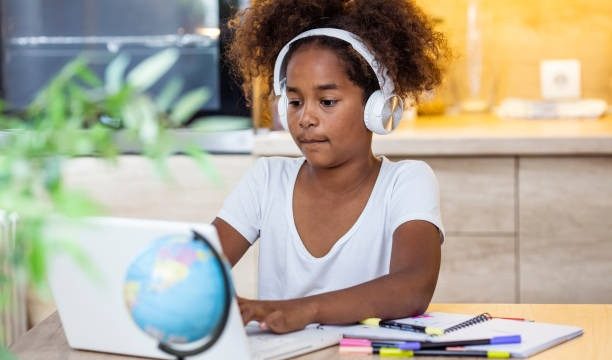
The journey of education has always been about connection—between teachers and students, between ideas and understanding. In the past, this connection was often limited to the classroom walls. However, the advent of digital media has broken those barriers, allowing learning to happen anytime and anywhere. Imagine a student in a remote village accessing the same resources as someone in a bustling urban center. This democratization of knowledge is one of the most significant gifts that digital media has bestowed upon education.
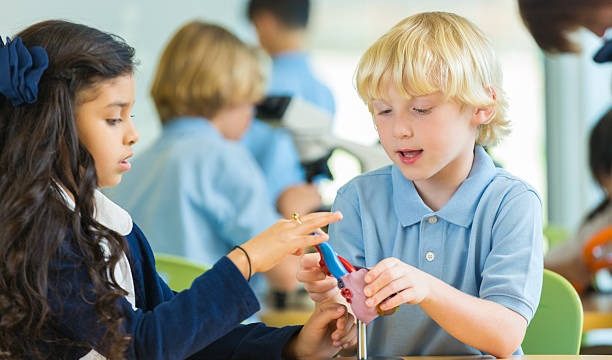
A gentle shift towards inclusivity is evident as digital platforms cater to diverse learning styles. For visual learners, platforms like YouTube offer countless tutorials and lectures, while auditory learners find solace in podcasts and audiobooks. Those who thrive on hands-on experiences can engage with interactive simulations and online labs. This variety not only enriches the learning experience but also fosters a sense of belonging for students who may have previously felt marginalized in traditional educational settings.
Moreover, digital media encourages collaboration in ways that were once unimaginable. Students can now connect with peers from around the globe, sharing ideas and perspectives that enhance their understanding of complex topics. Collaborative platforms allow for group projects to flourish, with tools that facilitate real-time communication and brainstorming. This ability to engage with diverse viewpoints fosters empathy and a deeper appreciation for different cultures, which are essential skills in our interconnected world.
As educators embrace digital media, they too are experiencing a transformative journey. The traditional role of the teacher is evolving from the sole source of knowledge to a facilitator of learning. This shift allows teachers to guide students in navigating the vast sea of information available online. By equipping students with critical thinking skills and digital literacy, educators empower them to discern credible sources and engage thoughtfully with content. In this way, digital media becomes a tool for not just learning facts but for developing informed, engaged citizens.
Digital media also offers a wealth of resources for professional development. Educators can access online courses, webinars, and forums that allow them to share best practices and learn from one another. This continuous learning cycle not only enhances teaching methods but also fosters a supportive community among educators. The shared experiences and knowledge contribute to a collective growth that ultimately benefits students.
A quiet transformation is happening in the realm of student engagement as well. Digital media has the potential to make learning more interactive and enjoyable. Gamification, for instance, turns lessons into engaging challenges that motivate students to participate actively. By incorporating elements of play into education, students are more likely to stay focused and invested in their learning journey. This playful approach can reduce anxiety around subjects that students may traditionally find daunting, creating a more positive learning environment.
However, while digital media offers numerous advantages, it’s essential to approach it with mindfulness. The sheer volume of information available can be overwhelming, leading to information overload. It’s crucial for both educators and students to cultivate a balanced relationship with technology. Setting aside time for reflection, unplugging from screens, and engaging in face-to-face interactions are all important practices that ensure we do not lose sight of the human connection that is at the heart of education.
Creating a healthy digital environment also involves recognizing the importance of digital citizenship. Educators have a unique opportunity to teach students about responsible online behavior, helping them understand the impact of their digital footprint. By promoting kindness and respect in online interactions, we can foster a culture of empathy that extends beyond the classroom.
As we look to the future, the potential of digital media in education continues to expand. Innovations such as virtual reality and artificial intelligence are beginning to play significant roles in creating immersive learning experiences. Imagine studying history by virtually walking through ancient ruins or mastering a new language with the help of AI-driven tutors. These advancements promise to make learning more engaging and accessible, further bridging the gap between diverse learners.
In conclusion, the power of digital media in education is a beautiful tapestry woven from threads of connection, collaboration, and creativity. As we embrace these changes, it is vital to remain grounded in the principles of empathy, respect, and lifelong learning. In doing so, we can harness the full potential of digital media to create an educational landscape that is not only rich in knowledge but also nurturing and inclusive. As we journey through this digital age, let us remember that at its core, education is about people—connecting, growing, and thriving together.