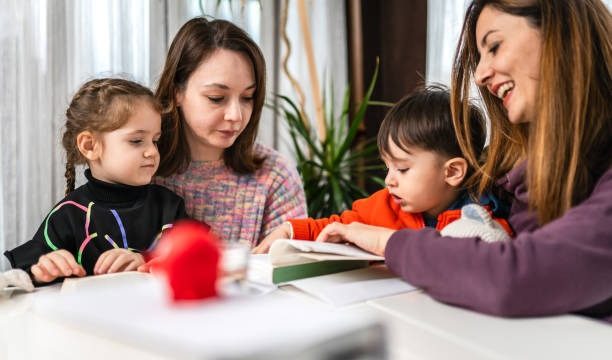
In today’s fast-paced world, where technology often takes center stage, the importance of home economics can sometimes be overlooked.
However, this subject is more than just cooking and sewing; it encompasses a wide array of life skills that foster responsibility and independence.
By engaging in home economics, individuals of all ages can cultivate a sense of responsibility that extends far beyond the walls of the kitchen or the sewing room.
A nurturing environment for growth
At its core, home economics provides a safe space for learning essential life skills. From budgeting and meal planning to basic home maintenance, these lessons are foundational for building a responsible adult. When young people are introduced to these concepts, they begin to understand the significance of making informed choices. For instance, learning how to prepare a nutritious meal not only encourages healthy eating habits but also instills a sense of accomplishment. This newfound competence can lead to increased self-esteem and a greater willingness to take on other responsibilities.
Encouraging autonomy through practical skills
One of the most profound ways that home economics fosters responsibility is through the development of practical skills. As individuals learn to manage their own households, they gain a sense of autonomy that is incredibly empowering. Imagine a teenager who has learned how to do their own laundry, cook simple meals, and organize their living space. These skills not only lighten the load for parents but also prepare young people for the realities of adult life. They start to understand the importance of time management, organization, and planning—all of which are crucial components of responsibility.
Building financial literacy
Another significant aspect of home economics is the emphasis on financial literacy. In a world where financial independence is essential, understanding how to budget, save, and make informed purchasing decisions is vital. Engaging with subjects such as grocery shopping and meal prep teaches individuals to think critically about their spending habits. When a person learns to prioritize needs over wants, they develop a responsible mindset that can lead to long-term financial stability. This understanding cultivates a sense of accountability, as individuals become aware of how their choices impact their financial well-being.
Fostering a sense of community
Home economics also emphasizes the importance of community and collaboration. Whether it’s working together on a group project or participating in a cooking class, these experiences create bonds among individuals. Learning to share responsibilities within a community fosters teamwork and a sense of belonging. When individuals see how their contributions affect the whole, they are more likely to take ownership of their roles. This sense of connection can lead to increased motivation to act responsibly, not only for oneself but also for others.
The joy of creativity and self-expression
Creativity is often a vital aspect of home economics, particularly in areas like cooking and crafting. When individuals engage in these activities, they have the opportunity to express themselves while also learning important skills. For instance, experimenting with new recipes allows for exploration and innovation, encouraging individuals to take risks in a safe environment. This creative process can be incredibly fulfilling, leading to a sense of pride that reinforces responsible behavior. When people see the fruits of their labor, they are more likely to appreciate the effort that goes into maintaining a balanced life.
A small shift toward balance
As we navigate the complexities of life, finding balance becomes essential. Home economics offers tools to help create a harmonious lifestyle, where responsibilities are managed effectively. By learning how to cook, clean, and budget, individuals can establish routines that support their well-being. This balance not only reduces stress but also allows for more time to engage in activities that bring joy and fulfillment. When responsibilities are handled with care, individuals can enjoy a richer, more meaningful life.
Encouraging lifelong learning
The lessons learned in home economics are not confined to a classroom or a specific age group. The skills and values instilled through this subject are applicable throughout life. As individuals face new challenges, the foundation laid by home economics can guide them in making responsible choices. Whether it’s navigating a career change, managing a household, or raising children, the principles of responsibility and resourcefulness remain relevant.
Incorporating home economics into everyday life
For those who may not have had formal training in home economics, it’s never too late to start incorporating these valuable lessons into daily life. Simple changes, like planning meals for the week or involving family members in household chores, can make a significant difference. Engaging in cooking or DIY projects together can also create lasting memories while teaching essential skills. The beauty of home economics is that it can be adapted to suit individual needs and lifestyles, making it accessible for everyone.
In conclusion, developing responsibility through home economics is a journey that enriches lives in countless ways. By embracing the skills and values associated with this subject, individuals can cultivate a sense of autonomy, financial literacy, and community connection. Ultimately, the lessons learned in home economics prepare us to navigate life’s challenges with confidence and grace. As we invest in these essential skills, we not only enhance our own lives but also contribute positively to the lives of those around us. So, let’s celebrate the beauty of home economics and the responsibility it inspires in all of us.