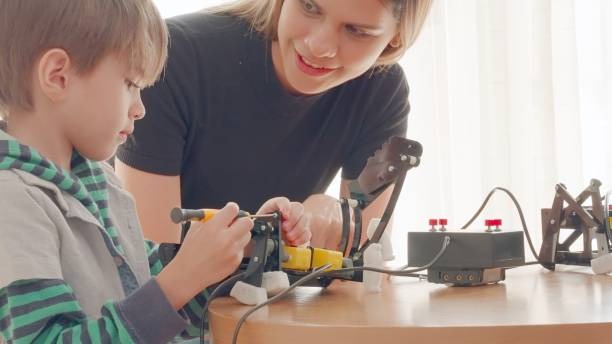
In today’s world, family structures are more diverse and dynamic than ever before.
Traditional notions of family have evolved, creating a rich tapestry of relationships that reflect the complexities of modern life.
This shift invites us to explore not just what family means, but how it shapes our identities, influences our well-being, and provides a foundation for community connections.
As we delve into the various forms of family, it becomes evident that the concept is no longer limited to a nuclear composition of two parents and their biological children. Families now encompass a wide array of arrangements, including single-parent households, blended families, families formed by adoption, and those rooted in friendships or communal living. Each of these structures carries its own unique strengths and challenges, contributing to a broader definition of what it means to be a family.
A gentle embrace of diversity
One of the most beautiful aspects of modern family structures is their inherent diversity. This variety is not just a reflection of changing societal norms; it also highlights the different ways people find support and connection. For instance, single-parent families often cultivate deep resilience and resourcefulness, as caregivers learn to juggle multiple roles. Similarly, blended families, formed through remarriage, can create rich, multi-layered relationships that provide children with a wider support network.
Communal living arrangements, where friends or extended family members choose to live together, also exemplify this shift. These families often share responsibilities and resources, fostering a sense of belonging that transcends traditional boundaries. In essence, the modern family is a mosaic of relationships, built on love, support, and shared experiences, rather than rigid definitions.
Navigating the complexities
While the diversity of family structures is a source of strength, it can also introduce complexities. Each family dynamic comes with its own set of challenges, whether it’s navigating differing parenting styles in blended families or managing the emotional landscape of single parenthood. The key lies in open communication and a willingness to adapt. Families that prioritize dialogue and understanding are better equipped to tackle the hurdles they face, fostering an environment where all members feel heard and valued.
Emotional intelligence plays a crucial role in navigating these complexities. By encouraging emotional awareness and empathy, families can cultivate stronger bonds. This is especially important in blended families, where children may need time to adjust to new siblings or parental figures. Creating opportunities for open discussions about feelings and experiences can help ease transitions and build trust.
A small shift toward balance
In our fast-paced society, the balance between family life and individual needs can sometimes feel elusive. Many families find themselves struggling to prioritize quality time together amidst work obligations, school activities, and social commitments. This is where a conscious effort to create space for connection becomes vital.
Setting aside dedicated family time, whether it’s a weekly game night or a monthly outing, can help reinforce bonds and create cherished memories. These moments of togetherness allow families to reconnect and share experiences that strengthen their relationships. It’s in these simple, intentional gatherings that the essence of family truly shines.
The role of technology
Technology also plays a significant role in shaping modern family structures. While it can sometimes create distance, it also offers new ways to connect. Families can maintain relationships across long distances through video calls, social media, and messaging apps. This connectivity is especially valuable for families with members living far apart or those who have experienced separation due to various circumstances.
However, it is essential to find a balance in how technology is used. Setting boundaries around screen time and encouraging face-to-face interactions can help families maintain the richness of their relationships. By being mindful of how technology impacts family dynamics, we can harness its benefits while minimizing its potential drawbacks.
The importance of community
Modern family structures often extend beyond the immediate household. Communities play a critical role in supporting families, providing resources, and fostering connections. Whether through schools, local organizations, or neighborhood groups, these networks can offer invaluable assistance and companionship.
Engaging with the community can also provide families with a sense of belonging. Participating in local events or volunteering together can strengthen connections, not only among family members but also with others in the community. These shared experiences can enhance the family’s sense of identity and purpose, creating a supportive environment where everyone thrives.
Looking ahead
As we continue to explore modern family structures, it is essential to recognize that the concept of family will likely continue to evolve. Societal changes, cultural shifts, and individual experiences will all contribute to the ongoing transformation of what family means. Embracing this fluidity allows us to appreciate the richness of our diverse experiences and the myriad ways love and support can manifest.
In conclusion, exploring modern family structures reveals a world of possibilities. The diversity of family arrangements enriches our lives and challenges us to rethink traditional definitions. By fostering open communication, prioritizing connection, and engaging with our communities, we can create nurturing environments that celebrate the unique qualities of each family. As we navigate this ever-changing landscape, let us embrace the beauty of family in all its forms, finding strength in our connections and joy in our shared journeys.