Art has an enchanting way of weaving its magic into the fabric of our lives, especially when it comes to the process of learning.
For students, engaging with art can be a transformative experience that cultivates new skills while nurturing creativity and emotional growth.
In a world increasingly dominated by technology, the tactile nature of artistic expression offers a refreshing balance, providing a pathway to develop essential life skills in a gentle, engaging manner.
As students navigate their educational journeys, the pressures of academic performance often overshadow their creative impulses. However, art serves as a vital outlet, encouraging them to explore their thoughts and feelings in ways that traditional subjects may not. Through painting, drawing, sculpting, or even digital art, students can express themselves freely, fostering a sense of autonomy and ownership over their creations. This sense of empowerment can translate into increased confidence, helping them tackle challenges both in and out of the classroom.
Exploring the world of art introduces students to a variety of materials and techniques, encouraging them to experiment and take risks. This exploration is not merely about producing aesthetically pleasing work; it is about the journey of discovery. When students engage with different mediums—be it watercolor, clay, or digital design—they learn to adapt, innovate, and solve problems. Every brushstroke or sculpted form teaches them that mistakes are not failures but opportunities for growth. This mindset is invaluable, as it nurtures resilience, an essential skill for navigating the complexities of life.
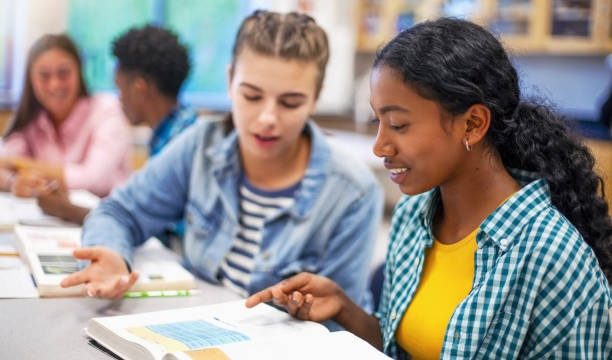
Art also serves as a bridge for communication, especially for those who may find it challenging to articulate their thoughts verbally. For many students, the canvas becomes a safe space where they can convey emotions that words cannot capture. This non-verbal expression can be particularly beneficial for students who experience anxiety or social challenges, offering them a means to connect with others through shared experiences and visuals. In group settings, collaborative art projects foster teamwork and cooperation, further enhancing social skills and building a sense of community.
Incorporating art into learning environments can also enhance critical thinking skills. As students analyze their own work or critique the pieces of others, they engage in a reflective process that sharpens their ability to evaluate and articulate their thoughts. This practice of observation and feedback encourages them to look beyond the surface, considering various perspectives and interpretations. Such skills are transferable, enriching their academic performance in more traditional subjects, where critical thinking is equally essential.
The process of creating art encourages mindfulness, allowing students to immerse themselves in the present moment. This aspect is particularly beneficial in today’s fast-paced world, where distractions abound and stress levels can run high. When students focus on their artistic endeavors, they engage in a form of meditation, which can help reduce anxiety and improve overall well-being. By cultivating a habit of mindfulness through art, students can develop a greater sense of balance in their lives, creating a sanctuary where they can retreat when the world feels overwhelming.
As we explore the benefits of art in education, it’s essential to recognize the role of educators and mentors in this journey. Guidance from teachers who value creativity can inspire students to embrace their artistic sides. When educators foster an environment that celebrates exploration and self-expression, they empower students to take ownership of their learning. This supportive atmosphere encourages students to push boundaries and develop a lifelong passion for creativity.
Moreover, the integration of art into various subjects can enrich the overall curriculum. Imagine a history lesson brought to life through artistic projects that allow students to visualize and interpret historical events. This multifaceted approach not only deepens understanding but also makes learning more engaging and enjoyable. When students see the connections between art and other disciplines, they are more likely to appreciate the relevance of their education, making it a holistic experience.
Community engagement is another vital aspect of fostering artistic skills among students. Local art programs, workshops, and exhibitions provide platforms for students to showcase their work and connect with fellow young artists. These experiences can ignite passion and enthusiasm, motivating students to pursue their artistic interests further. As they share their creations with others, they also develop a sense of pride and accomplishment, reinforcing their commitment to their craft.
While the benefits of art in education are clear, it’s essential to approach this integration with care and consideration. Not every student will resonate with traditional forms of art, and that’s perfectly okay. Encouraging exploration of diverse artistic mediums—such as music, dance, or even creative writing—can help every student find their unique voice. The key is to create an inclusive environment where all forms of self-expression are valued, allowing students to flourish in their own ways.
As we reflect on the role of art in helping students build new skills, it becomes evident that the journey is not just about developing artistic talent. It’s about nurturing the whole person, allowing students to grow emotionally, socially, and intellectually. Art has the power to unlock doors, offering students a means to explore their identities, connect with others, and build resilience in the face of challenges.
In a world that often prioritizes standardized testing and rigid academic frameworks, embracing the fluidity of art can provide a much-needed balance. As students engage with their creative sides, they cultivate skills that will serve them well beyond the classroom. The lessons learned through art—resilience, communication, critical thinking, and mindfulness—are invaluable assets in navigating life’s complexities.
Ultimately, by championing the arts in education, we are not just helping students become better artists; we are equipping them with the tools they need to thrive in an ever-changing world. As we continue to encourage creativity and self-expression, we lay the foundation for a generation that values innovation, empathy, and collaboration. In this way, art becomes not just a subject but a vital part of the human experience, enriching lives in profound and lasting ways.