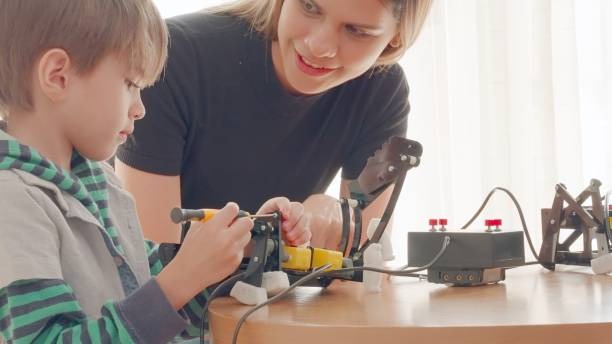
Curiosity is a spark that ignites the creative flame, especially in the realm of the arts.
It is a gentle push that encourages us to explore, question, and discover.
Whether it’s a painter mixing colors on a palette, a musician experimenting with sound, or a writer weaving words into a story, curiosity plays a vital role in the artistic journey. This intrinsic desire to know more not only enriches the creative process but also deepens our connection to the world around us.
The beauty of curiosity lies in its ability to transform the mundane into the extraordinary. When an artist approaches their work with an inquisitive mind, they begin to see possibilities everywhere. A simple walk through the park can inspire a painting, the rhythm of traffic can lead to a new musical composition, and a conversation with a friend can spark the idea for a compelling narrative. This exploration of the world encourages artists to look beyond the surface, revealing layers of meaning and emotion that might otherwise go unnoticed.
A small shift toward balance can be found in how curiosity allows artists to embrace uncertainty. The creative process is often fraught with doubt and hesitation. However, when one approaches their work with curiosity, these feelings can transform into opportunities for growth. Instead of viewing a blank canvas or an empty page as daunting, it becomes a space filled with potential. Curiosity invites experimentation, encouraging artists to step outside their comfort zones and take risks. This willingness to explore the unknown can lead to unexpected breakthroughs and discoveries that enrich their art.
Curiosity also fosters a sense of connection. In the arts, sharing experiences and perspectives can lead to profound conversations. Artists often draw inspiration from one another, and this exchange of ideas can be incredibly fulfilling. By asking questions and seeking to understand different viewpoints, artists can expand their horizons and deepen their empathy. This interconnectedness not only enhances their work but also contributes to a more vibrant artistic community.
Moreover, cultivating curiosity can be a source of inspiration that transcends individual expression. When artists engage with the world around them, they often find themselves reflecting on societal issues, cultural differences, and shared human experiences. This exploration can lead to works that resonate with broader audiences, sparking dialogue and encouraging viewers to reflect on their own lives. In this way, curiosity becomes a vehicle for change, allowing artists to challenge norms and inspire new ways of thinking.
The role of curiosity in the arts is not limited to the act of creation; it also plays a significant part in the appreciation of art. When we approach a piece of art with an open heart and a curious mind, we invite ourselves to experience it on a deeper level. Instead of simply observing, we start to ask questions: What emotions does this work evoke? What story is being told? What techniques did the artist use to convey their message? This active engagement enriches our understanding and appreciation, transforming the experience from passive viewing to active participation.
Finding curiosity in our daily lives can be a rewarding practice. It encourages us to look at the world through a fresh lens, discovering beauty in the ordinary. For instance, taking the time to observe the colors of the sky at sunset or listening closely to the sounds of nature can awaken a sense of wonder. This mindfulness fosters a deeper connection to our surroundings and enhances our overall well-being. In this way, curiosity becomes a pathway to a more fulfilling life, offering moments of joy and inspiration.
As we navigate our creative journeys, it’s essential to nurture our curiosity. This can be as simple as trying new techniques, attending workshops, or exploring different mediums. Engaging with other artists and seeking feedback can also provide valuable insights that inspire further exploration. By remaining open to new experiences, we can continually evolve as creators and individuals.
In the end, the value of curiosity in the arts cannot be overstated. It is the very essence of creativity, driving artists to explore, innovate, and connect. This intrinsic motivation not only enhances the artistic process but also enriches our lives, reminding us of the beauty that exists all around us. As we embrace our curiosity, we open ourselves up to a world of possibilities, allowing our creativity to flourish and our spirits to soar.
In a society that often prioritizes productivity and tangible results, it can be easy to overlook the importance of curiosity. Yet, it is this gentle, persistent urge to learn and explore that can lead to the most meaningful experiences. Art has the power to transform our understanding of ourselves and each other, and curiosity is the key that unlocks that potential. By fostering this quality within ourselves and celebrating it in others, we contribute to a richer, more vibrant artistic landscape.
Ultimately, curiosity is not just a tool for artists; it is a way of life. It encourages us to remain open, to seek out new experiences, and to embrace the unknown with grace and wonder. In every brushstroke, note, and word, there lies a story waiting to be uncovered. Let us continue to nurture our curiosity, allowing it to guide us on our artistic journeys and enrich our lives in countless ways.