Creativity is often seen as a gift bestowed upon a lucky few, but the truth is that it is a skill that can be nurtured and cultivated in anyone, especially in young learners.
Teaching creativity to children is not only about encouraging them to think outside the box; it’s about helping them develop a sense of curiosity, resilience, and joy in the process of exploration.
In a world that increasingly values innovation and adaptability, fostering creativity in children can be one of the most rewarding gifts we can give them.
Creating a nurturing environment is essential for sparking creativity. Young learners thrive in settings where they feel safe to express their ideas and explore their imaginations. This means fostering an atmosphere that celebrates questions over answers, where mistakes are viewed as opportunities for growth rather than failures. When children feel secure in their surroundings, they are more likely to take risks and venture into the unknown, which is often where the most exciting ideas are born.
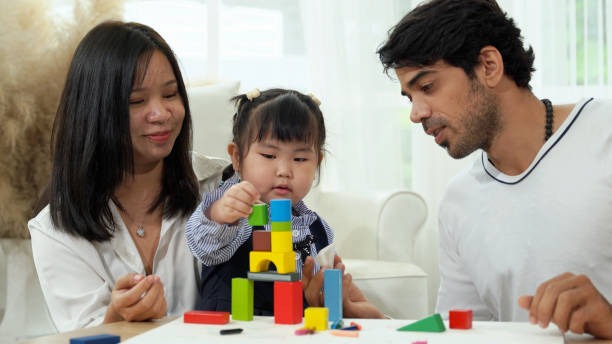
One of the most effective ways to teach creativity is through play. Play is not just a pastime for children; it is a vital part of their development. Through play, children learn to experiment, negotiate, and create. Whether it’s building with blocks, role-playing, or engaging in imaginative storytelling, play allows children to explore their thoughts and feelings in a safe and enjoyable way. Encouraging unstructured playtime can lead to spontaneous moments of creativity that might not occur in a more rigid learning environment.
Integrating arts and crafts into daily activities can also be a wonderful way to inspire creativity. Art is a powerful medium for self-expression and can help children articulate their thoughts and feelings. Providing them with various materials—paints, clay, fabric, or recycled items—can ignite their imagination. It’s essential to allow children the freedom to create without strict guidelines. Rather than focusing on the end product, the process of creating should be the primary focus. This encourages them to experiment and discover their unique artistic voices.
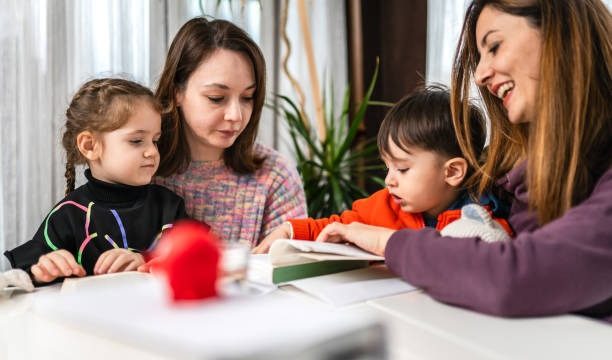
Another gentle approach to fostering creativity is through storytelling. Encouraging children to tell their own stories, whether verbally or through writing, helps them develop their imaginative skills. Storytelling can be a wonderful way to connect with children, allowing them to express their thoughts and ideas in a supportive environment. You might start by sharing a story and then inviting them to change the ending or create a new character. This not only stimulates their imagination but also builds their confidence in sharing their ideas.
Nature can also be a fantastic source of inspiration for young learners. Spending time outdoors allows children to observe the world around them and draw inspiration from it. Simple activities like nature walks, scavenger hunts, or even just sitting quietly in a park can open their eyes to the beauty and complexity of life. Encourage them to collect leaves, stones, or flowers and use these natural treasures in their creative projects. Connecting with nature can spark new ideas and foster a sense of wonder that is essential for creativity.
A small shift toward balance can also enhance a child’s creative journey. In our fast-paced world, children often feel pressure to excel academically, which can stifle their creative instincts. Balancing structured learning with free exploration is crucial. Allowing children to have downtime—where they can engage in hobbies, read, or simply daydream—can lead to bursts of creativity. It’s during these moments of stillness that their minds can wander and create, free from the constraints of expectation.
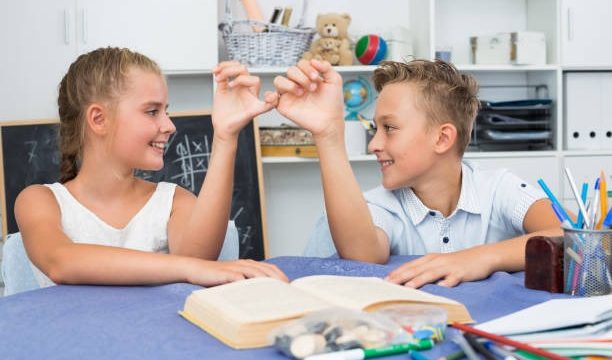
Encouraging collaboration can also foster creativity in young learners. When children work together on projects, they learn to share ideas, listen to different perspectives, and build on each other’s thoughts. Group activities can lead to unexpected outcomes and innovative solutions that might not have emerged in isolation. Whether it’s a group art project or a collaborative storytelling session, the magic of teamwork can unleash a wave of creativity that enriches the learning experience.
As guardians of young learners, it’s essential to model creativity ourselves. Children are keen observers and often emulate the behaviors and attitudes of the adults around them. By demonstrating a curious mindset—whether through exploring new hobbies, engaging in creative projects, or simply expressing enthusiasm for learning—we inspire them to adopt a similar approach. Sharing our creative endeavors can create a bond and show them that creativity is a lifelong journey, not just a childhood phase.
It’s also important to recognize that creativity is not a linear process. It can be messy, unpredictable, and often requires patience. Encouraging young learners to embrace the journey, rather than fixate on the outcome, can help them develop a resilient mindset. Remind them that every artist, writer, or inventor faced challenges along the way. Celebrating their efforts, regardless of the results, can instill a sense of pride and encourage them to keep trying.
Ultimately, teaching creativity to young learners is about nurturing their innate curiosity and allowing them to express themselves freely. By providing a supportive environment, integrating play and exploration, and encouraging collaboration, we can help children cultivate their creative abilities. In doing so, we not only prepare them for a world that values innovation, but we also enrich their lives with the joy of discovery and self-expression.
As we guide the next generation, let us remember that creativity is not just a skill to be taught, but a spirit to be fostered. It is a beautiful journey that can lead to unexpected places, and every child has the potential to become a vibrant creator in their own right.