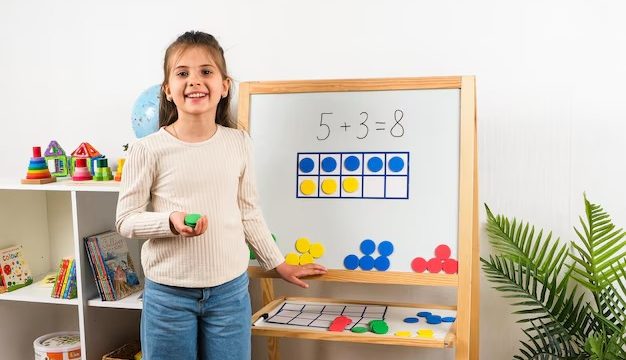
In our fast-paced world, arithmetic can often feel like a daunting task, a series of numbers and symbols that seem to exist in a realm far removed from our everyday lives.
Yet, what if we could shift our perspective and make arithmetic feel more natural, more integrated into our daily experiences? With a little mindfulness and a few gentle adjustments, we can transform our relationship with numbers and find a sense of ease in the arithmetic that surrounds us.
Finding comfort in numbers begins with understanding that arithmetic is not merely a set of rules to memorize but a language that describes the world around us. From calculating the time it takes to reach a destination to dividing a meal among friends, arithmetic is woven into the fabric of daily life. By recognizing this connection, we can approach numbers with a sense of curiosity rather than apprehension.
One of the most effective ways to foster a natural relationship with arithmetic is to engage with it in a relaxed environment. Consider incorporating simple math into your daily routine without the pressure of deadlines or high stakes. For instance, while preparing a meal, you might find yourself adjusting a recipe. If a dish calls for four servings, but you’re cooking for two, you can practice halving the measurements. This not only makes the arithmetic feel practical and relevant but also allows you to enjoy the process of cooking without the stress of formal calculations.
In addition to integrating arithmetic into your daily tasks, it’s helpful to cultivate a playful mindset. Numbers can be fun, and approaching them with a sense of play can alleviate the tension often associated with math. Engage in games that involve numbers, such as card games or puzzles. Even simple activities like counting the number of steps you take during a walk or estimating the total cost of groceries can be enjoyable ways to practice arithmetic. When we allow ourselves to play with numbers, we create a positive association that can transform our experience.
A small shift toward balance can also be achieved by rethinking how we view mistakes in arithmetic. Many of us carry the weight of past experiences where we felt we didn’t measure up in math class or struggled with certain concepts. It’s important to remember that making mistakes is a natural part of learning. Rather than viewing errors as failures, we can see them as opportunities for growth. Each misstep can teach us something valuable, helping to refine our understanding and build confidence. By embracing this mindset, we can create a more compassionate relationship with numbers.
Another gentle approach to making arithmetic feel more natural is to connect it with our emotions. Numbers aren’t just abstract concepts; they can represent real-world experiences and feelings. For example, think about the joy of sharing a pizza with friends, where dividing the slices becomes a moment of connection rather than a calculation. When we can associate arithmetic with positive experiences, it becomes less intimidating and more relatable. This emotional connection can help us navigate mathematical concepts with greater ease and comfort.
Creating a nurturing environment for arithmetic can also involve surrounding ourselves with supportive resources. Whether it’s a book that presents math in a fun and engaging way or an online community that shares tips and tricks, finding ways to connect with others who share similar experiences can be incredibly helpful. By participating in discussions or engaging with content that resonates with us, we can reinforce our understanding and develop a sense of camaraderie in our arithmetic journey.
Mindfulness can play a significant role in transforming our approach to arithmetic. By practicing mindfulness, we can bring awareness to our thoughts and feelings surrounding numbers. When we notice feelings of anxiety or frustration arise, we can take a moment to pause, breathe, and reframe our perspective. Instead of viewing arithmetic as a hurdle, we can see it as a tool that enhances our daily lives. This shift in mindset can make a world of difference, allowing us to approach arithmetic with a sense of calm and confidence.
As we continue to navigate our daily routines, it’s essential to remember that arithmetic is not a solitary endeavor. Involving others can enrich our experience and make learning feel more communal. Whether it’s a family member, a friend, or a colleague, discussing numbers and calculations together can provide new insights and perspectives. Collaborative problem-solving can turn what may feel like a struggle into a shared adventure, reinforcing the idea that we are all in this together.
Another gentle reminder is that progress takes time. Just as we don’t expect to master a new skill overnight, we should also be patient with ourselves as we work to make arithmetic feel more natural. Celebrating small victories along the way can help us appreciate our growth, no matter how incremental. Whether it’s successfully calculating a tip or estimating the time needed to complete a task, acknowledging these moments can foster a sense of accomplishment.
In creating a harmonious relationship with arithmetic, we can also draw inspiration from the world around us. Nature is full of patterns, rhythms, and numerical relationships that can help us see math in a new light. From the Fibonacci sequence in flowers to the symmetry of a snowflake, recognizing the beauty of numbers in nature can inspire us to embrace arithmetic as a part of our lives rather than something to fear.
Ultimately, making arithmetic feel natural is about shifting our perspective and finding ways to integrate it into our daily lives with ease and enjoyment. By approaching numbers with curiosity, playfulness, and a sense of community, we can cultivate a more positive relationship with arithmetic. As we embrace this journey, we not only enhance our skills but also discover the joy that comes from connecting with the world through numbers. With time and practice, we can transform arithmetic from a source of anxiety into a comfortable and integral part of our lives.