In today’s fast-paced educational landscape, where standardized testing often takes center stage, the importance of fostering creativity in students can sometimes be overlooked.
Yet, encouraging creativity is not merely an add-on to the curriculum; it serves as a vital foundation for holistic development.
As we explore the myriad benefits of nurturing student creativity, it becomes clear that this approach is essential for fostering not only academic success but also emotional well-being and social skills.
A nurturing environment for creative expression can transform the classroom into a vibrant hub of exploration and innovation. When students are encouraged to think outside the box, they develop critical thinking skills that extend far beyond mere academic performance. Creativity invites students to approach problems from multiple angles, fostering a mindset that values exploration over rote memorization. This shift can lead to a deeper understanding of subject matter, as students learn to connect ideas in new and meaningful ways.
Moreover, encouraging creativity can significantly enhance a student’s emotional resilience. Engaging in creative activities, whether through art, music, writing, or other forms of expression, provides an outlet for feelings and thoughts that might otherwise remain unvoiced. This is particularly important for young people navigating the complexities of growing up. When students have the freedom to express themselves creatively, they often find a sense of relief and clarity. This emotional outlet can lead to improved mental health, helping students manage stress and anxiety more effectively.
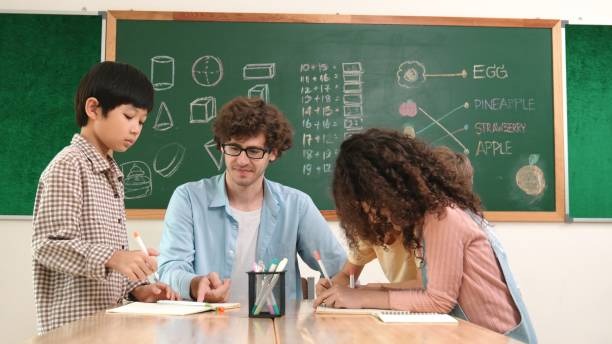
In addition to emotional benefits, creativity also plays a crucial role in social development. Collaborative projects that require creative input encourage teamwork and communication among peers. Students learn to listen to differing viewpoints and appreciate the value of diverse perspectives. These interactions not only build social skills but also foster a sense of community within the classroom. When students collaborate on creative endeavors, they develop trust and camaraderie, which can lead to lasting friendships and a supportive learning environment.
Another compelling aspect of encouraging creativity is its ability to boost motivation and engagement. Traditional education methods can sometimes lead to disengagement, particularly for students who may not thrive in conventional learning settings. By incorporating creative tasks into the curriculum, educators can reignite a sense of curiosity and passion for learning. Students who are excited about a project or topic are more likely to invest time and effort, resulting in deeper learning experiences. When students see their ideas come to life, their intrinsic motivation flourishes, propelling them toward academic and personal growth.
Creativity also serves as a bridge to developing essential life skills. Skills such as problem-solving, adaptability, and resilience are nurtured through creative activities. Students learn that failure is often a part of the creative process, and they develop the courage to take risks and experiment without the fear of judgment. This mindset is invaluable in today’s rapidly changing world, where the ability to adapt and innovate is paramount. As students become comfortable with the idea of trial and error, they build a foundation for lifelong learning and personal development.
Creating a space that encourages creativity doesn’t have to be complicated. Simple changes in the classroom environment can make a significant difference. Providing students with various materials, allowing for flexible seating arrangements, and incorporating open-ended questions can create a more dynamic and engaging learning atmosphere. Educators can also integrate arts into other subjects, demonstrating to students that creativity isn’t confined to specific disciplines but is a valuable component of all areas of learning.
A gentle shift toward balance in education can also be achieved through integrating mindfulness practices. Mindfulness encourages students to be present in the moment, which can enhance their creative thinking. By fostering a calm and focused mindset, students may find that their creative juices flow more freely. Activities such as meditation, journaling, or even simple breathing exercises can help create a serene environment conducive to creativity.
The benefits of encouraging student creativity extend beyond the classroom. In a world that increasingly values innovation and adaptability, nurturing creative skills prepares students for future challenges. Employers often seek individuals who can think critically and approach problems with a fresh perspective. By cultivating these skills during their formative years, we empower students to become confident, capable adults ready to tackle the complexities of the world.
Ultimately, the act of encouraging creativity in students is a gift that keeps on giving. It nurtures not only the mind but also the heart, fostering a well-rounded individual prepared for the future. Creativity enriches academic experiences, enhances emotional well-being, and builds social connections. As we move forward in education, let us remember the profound impact that creativity can have on our students’ lives. By embracing and promoting creative expression, we are not just shaping successful learners; we are cultivating compassionate, innovative leaders for tomorrow.
In conclusion, the importance of encouraging student creativity cannot be overstated. It is a vital element in nurturing well-rounded individuals who are equipped to navigate the complexities of life. By creating a supportive environment that values creative expression, we can inspire students to explore, innovate, and thrive. Let us continue to champion creativity in education, recognizing its transformative power and the bright futures it can help create for our students.