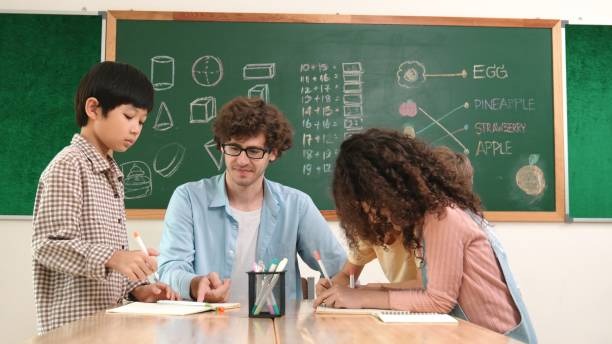
In recent years, the conversation around inclusivity in education has gained significant traction, revealing the essential role it plays in fostering a nurturing and effective learning environment.
Inclusivity in education isn’t merely a trend; it represents a profound understanding that every student, regardless of their background, abilities, or challenges, deserves the opportunity to thrive.
This commitment to inclusivity not only enriches the lives of students but also enhances the educational landscape itself.
Imagine a classroom where each child feels valued and heard. A space where differences are not just acknowledged but embraced. This vision is at the heart of inclusive education—a philosophy that champions diversity and promotes equal access to learning for all. When we prioritize inclusivity, we create an environment where students can express themselves freely, collaborate with one another, and engage in meaningful learning experiences.
A small shift toward balance can have a tremendous impact. By recognizing that each student brings unique perspectives and strengths to the table, educators can tailor their approaches to meet diverse needs. This adaptability is crucial, as it fosters a sense of belonging among students. When children see their experiences reflected in the curriculum and feel supported by their peers and teachers, they are more likely to participate actively in their education. This active engagement not only boosts academic performance but also cultivates social skills and emotional resilience.
One of the most significant benefits of inclusivity in education is the promotion of empathy and understanding among students. When children learn alongside their peers from different backgrounds and with varying abilities, they develop a deeper appreciation for diversity. This exposure helps to dismantle stereotypes and prejudices that can form in more homogeneous environments. Students learn the value of teamwork, compassion, and respect, which are essential skills not only in school but also in life.
Inclusivity also extends beyond the classroom walls. It encourages a culture of acceptance and support that permeates the entire school community. When schools actively promote inclusive practices, they set an example for families and the wider community. Parents and guardians who witness their children thriving in an inclusive environment are more likely to advocate for similar values in their own circles. This ripple effect can lead to a more inclusive society, where understanding and acceptance become the norm.
Creating an inclusive educational environment requires intentional effort from educators, administrators, and policymakers. It is essential to provide training and resources that equip teachers with the skills needed to address the diverse needs of their students. This might involve professional development workshops focused on differentiated instruction, cultural competency, or trauma-informed practices. By investing in educators, we empower them to create learning experiences that resonate with all students.
Furthermore, inclusive education is not just about accommodating differences; it is about celebrating them. Schools can implement programs that highlight various cultures, languages, and abilities, allowing students to showcase their unique identities. This celebration of diversity fosters pride and confidence, encouraging students to share their stories and learn from one another. When students see themselves represented in their education, they are more likely to feel connected to their learning journey.
The role of technology in promoting inclusivity cannot be overlooked. Digital tools can enhance learning experiences by providing personalized resources and support. For instance, assistive technologies can help students with learning differences access the curriculum in ways that suit their needs. Online platforms can facilitate collaboration among students, allowing them to work together regardless of physical limitations or geographical barriers. Embracing technology as a means of fostering inclusivity can open up new avenues for engagement and learning.
It is also crucial to involve students in the conversation around inclusivity. By encouraging them to share their thoughts and experiences, schools can gain valuable insights into what works and what doesn’t. Student voice is a powerful tool that can drive meaningful change. When students feel that their opinions matter, they are more likely to take ownership of their learning and contribute to a positive school culture.
As we reflect on the importance of inclusivity in education, it is essential to recognize that this journey is ongoing. While significant strides have been made, there is always room for growth and improvement. Schools must continually assess their practices and seek feedback from students, families, and staff. This commitment to reflection and adaptation ensures that the educational environment remains responsive to the needs of all learners.
Inclusivity in education is not merely about compliance with policies or regulations; it is about embracing a mindset that values every individual. It is about creating a community where everyone feels safe, supported, and empowered to reach their full potential. When we foster inclusivity in our schools, we not only enhance educational outcomes but also lay the foundation for a more compassionate and understanding society.
In conclusion, the importance of inclusivity in education cannot be overstated. It enriches the learning experience, cultivates empathy, and prepares students for a diverse world. By embracing inclusivity, we create classrooms that reflect the beauty of human diversity and empower every student to thrive. As we move forward, let us remain committed to this vital mission, ensuring that every child has the opportunity to learn, grow, and succeed in an environment that celebrates who they are. Together, we can build a brighter future for all.