Education is often viewed through the lens of academic achievement and standardized testing, but its role in fostering self-expression and creativity is equally vital.
When we think of education, we may picture classrooms filled with textbooks and lectures, yet there’s a deeper, more nuanced aspect that encourages students to explore their individuality and creative potential.
The journey of education is not just about absorbing information; it’s about discovering who we are and what we can become. From the early days of childhood learning to the more complex explorations in higher education, the environment in which we learn plays a significant role in nurturing our self-expression.
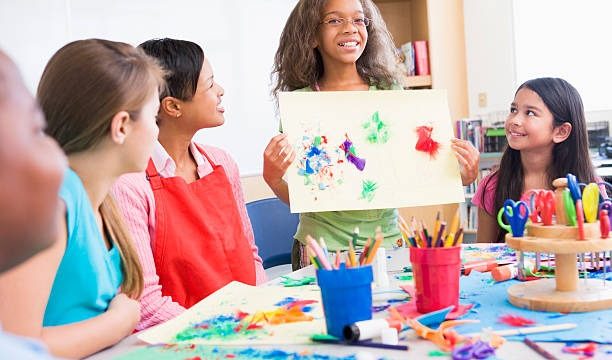
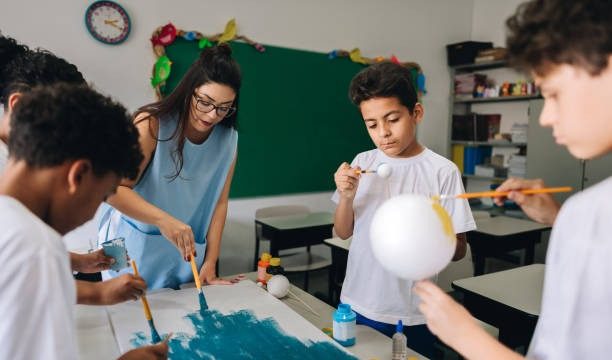
One of the most beautiful aspects of education is its ability to provide a safe space for experimentation. In a supportive classroom, students can explore various forms of expression, whether through art, music, writing, or even scientific inquiry. These activities allow individuals to convey their thoughts, emotions, and ideas in unique ways. The freedom to express oneself fosters a sense of belonging and encourages students to embrace their individuality.
Art classes, for example, often serve as a sanctuary for students who may struggle with traditional academic subjects. The canvas becomes a means of communication, where colors and shapes can express feelings that words may fail to capture. Similarly, music education offers a platform for students to explore rhythm and melody, providing an outlet for personal expression that resonates deeply with their inner selves.
In addition to the arts, literature and creative writing classes play a crucial role in developing self-expression. Through the written word, students can delve into their thoughts and emotions, crafting stories that reflect their unique perspectives. The act of writing can be transformative, allowing individuals to articulate experiences and feelings they may not have previously understood. This process not only enhances their writing skills but also nurtures their identity, helping them make sense of the world around them.
Education also encourages creativity through problem-solving. In science and mathematics, students are often faced with complex challenges that require innovative thinking. When they are encouraged to think outside the box and approach problems from different angles, they cultivate a mindset that values creativity. This not only enhances their academic skills but also prepares them for real-world situations where unconventional thinking is often necessary.
Another aspect of education that nurtures self-expression is collaboration. Group projects and discussions allow students to engage with diverse perspectives and ideas. This interaction fosters an environment where individuals feel safe to share their thoughts, leading to richer discussions and more profound learning experiences. Learning to value and respect the input of others is an essential part of developing one’s voice, as it encourages students to articulate their ideas while being open to the creativity of their peers.
As students progress through their education, they often encounter mentors who play a crucial role in their journey of self-discovery. Teachers who recognize and nurture their students’ unique talents can inspire them to pursue their passions. A supportive teacher can ignite a spark of creativity that encourages students to take risks, explore new ideas, and express themselves authentically. This relationship adds a personal touch to the educational experience, reminding students that their voice matters.
The importance of a well-rounded education cannot be overstated. Schools that prioritize the arts, physical education, and extracurricular activities provide students with opportunities to explore various facets of their identity. When students engage in activities that ignite their passions, they are more likely to develop a sense of purpose and confidence in their abilities. This holistic approach to education helps cultivate not just knowledgeable individuals but also creative thinkers who can navigate the complexities of life.
Moreover, education is a lifelong journey. The skills and lessons learned in formal schooling often extend far beyond the classroom. As individuals continue to seek knowledge and experiences throughout their lives, the ability to express oneself creatively remains a valuable asset. Engaging in hobbies, joining community groups, or pursuing further education can all contribute to ongoing self-discovery and self-expression.
In today’s rapidly changing world, the ability to think creatively and express oneself has never been more important. As we face new challenges and opportunities, those who can articulate their thoughts and ideas are better equipped to navigate the complexities of modern life. Education, in its various forms, plays a crucial role in preparing individuals to embrace their creativity and express themselves authentically.
Ultimately, education is not just about acquiring knowledge; it’s about nurturing the whole person. It encourages self-expression, creativity, and the exploration of identity. As we continue to evolve in our educational practices, it’s essential to remember that fostering an environment where students feel free to express themselves can lead to profound personal growth.
In conclusion, the relationship between education and self-expression is a beautiful dance. It’s a journey that invites individuals to explore their creativity and discover their voice. Whether through the arts, literature, or collaborative learning, education offers countless opportunities for individuals to express themselves and embrace their uniqueness. As we support this journey, we not only enrich our own lives but also contribute to a more vibrant and creative society.