Education is often viewed primarily as a means to acquire knowledge, a way to prepare for a career, or a stepping stone to further academic pursuits.
However, the true essence of education extends far beyond the confines of textbooks and classrooms.
It’s a lifelong journey that cultivates essential skills, shapes character, and enriches our experiences in profound ways.
As we navigate through life, the skills we develop through education serve as our compass, guiding us through various challenges and opportunities. From critical thinking and problem-solving to communication and emotional intelligence, the benefits of education ripple through every aspect of our lives.
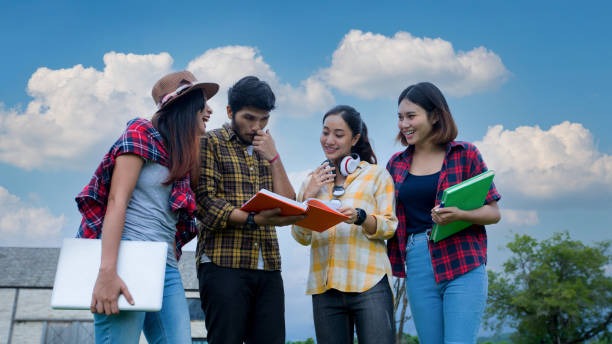
A gentle exploration of the learning landscape reveals that education is not just about formal schooling. It encompasses the myriad of experiences we encounter daily, from engaging in conversations with others to exploring new hobbies. Each of these experiences contributes to our growth and equips us with valuable skills that foster a fulfilling life.
One of the most significant skills nurtured through education is critical thinking. In an age where information is abundant and often overwhelming, the ability to analyze, evaluate, and synthesize information is invaluable. Education encourages us to question assumptions, seek evidence, and draw our own conclusions. This skill is not just academic; it permeates our decision-making processes, whether we are choosing a career path, managing our finances, or even navigating personal relationships.
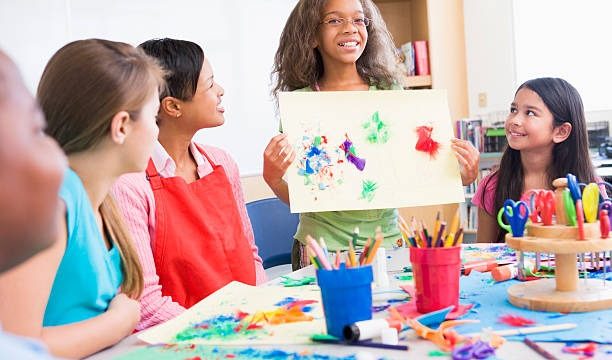
Moreover, education fosters creativity. When we engage with diverse subjects and ideas, we open ourselves to new perspectives and innovative ways of thinking. This creative mindset is essential not only in artistic endeavors but also in problem-solving scenarios across all fields. Embracing creativity allows us to approach challenges with an open heart and mind, leading to unique solutions that may not be immediately apparent.
Communication is another vital skill that education hones. Effective communication extends beyond merely exchanging words; it involves understanding nuances, empathizing with others, and articulating thoughts clearly. In both personal and professional realms, the ability to convey ideas and emotions can strengthen relationships and foster collaboration. Whether it’s through writing, speaking, or even non-verbal cues, education equips us with the tools to connect meaningfully with those around us.
As we delve deeper into the realm of lifelong skills, we encounter the importance of adaptability. The world is ever-changing, and the ability to adjust to new circumstances is crucial for personal and professional growth. Education teaches us to embrace change, encouraging a mindset that is open to learning and evolving. This adaptability not only helps us navigate the complexities of modern life but also instills resilience, allowing us to bounce back from setbacks with grace.
Another aspect of education that often goes unnoticed is its role in fostering emotional intelligence. Understanding our own emotions and those of others is essential for building strong, healthy relationships. Education encourages self-reflection and empathy, guiding us to recognize the feelings of those around us and respond thoughtfully. This emotional awareness enhances our interactions and helps create a supportive community, whether in our personal lives or in the workplace.
The journey of education also instills a sense of curiosity and a love for lifelong learning. When we cultivate a desire to learn, we open doors to endless possibilities. This mindset encourages us to seek knowledge beyond formal education, whether it’s through travel, reading, or engaging in new experiences. Lifelong learning keeps our minds sharp and our spirits vibrant, enabling us to adapt and thrive in an ever-evolving world.
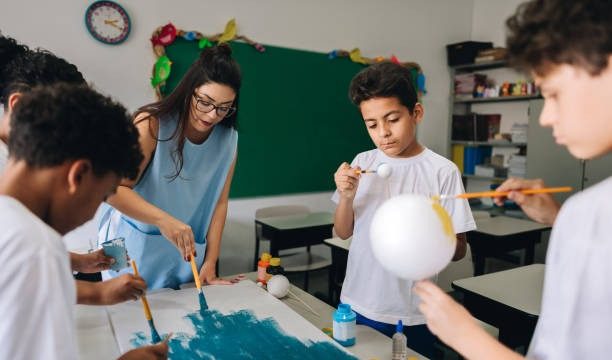
As we reflect on the skills developed through education, it’s essential to recognize the role of community in this journey. Learning often flourishes in environments where individuals feel supported and encouraged. Whether through family, friends, or mentors, the relationships we build can enhance our educational experiences. Sharing knowledge, collaborating on projects, and engaging in discussions enrich our understanding and broaden our horizons.
In addition to interpersonal relationships, technology plays a significant role in shaping our educational experiences today. Online courses, webinars, and educational platforms provide access to a wealth of information, making learning more accessible than ever. This technological advancement empowers individuals to pursue their interests and develop skills at their own pace, fostering a culture of continuous growth.
Ultimately, the skills cultivated through education are not merely tools for success; they are vital components of a fulfilling life. They allow us to navigate complexities, connect with others, and engage with the world around us. Education teaches us to embrace challenges, seek knowledge, and approach life with an open heart and mind.
As we continue on this journey of lifelong learning, it’s important to remember that education is not a destination but a continuous process. Each experience, whether big or small, contributes to our growth and shapes who we are. By nurturing our curiosity, fostering connections, and remaining open to new experiences, we can cultivate the skills that enhance our lives and the lives of those around us.
In a world that is constantly evolving, the value of education and the lifelong skills it promotes cannot be overstated. It is a beautiful reminder that learning is not confined to the walls of a classroom; it is a lifelong adventure that enriches our lives, nurtures our relationships, and empowers us to make meaningful contributions to the world. So, let us embrace this journey together, celebrating the skills we gain along the way, and cherishing the connections we forge as we learn and grow.