Building strong relationships with students is one of the most rewarding aspects of teaching.
When educators cultivate meaningful connections, they create a nurturing environment that enhances learning and fosters personal growth.
This journey of relationship-building is not just about imparting knowledge; it’s about understanding, empathy, and mutual respect.
A gentle approach to understanding
To begin fostering strong relationships, it’s essential to understand each student as an individual. Each child comes with a unique background, personality, and set of experiences that shape their views and behaviors. Taking the time to learn these nuances can create a foundation of trust. Simple gestures, like remembering a student’s name or acknowledging their interests, can make a significant difference. When students feel recognized, they are more likely to engage and participate actively in the classroom.
Creating an inviting atmosphere is another key element. The classroom should feel like a safe haven where students can express themselves without fear of judgment. Using open body language, maintaining eye contact, and being approachable encourages students to share their thoughts and feelings. This sense of safety allows them to take risks in their learning, whether it’s answering a question in class or sharing a personal story.
Listening with intention
Active listening is a powerful tool in building relationships. When students feel heard, it validates their emotions and experiences. Rather than simply waiting for their turn to speak, educators can practice reflective listening, which involves summarizing what the student has shared and responding thoughtfully. This practice not only shows that you value their input but also encourages deeper conversations.
Moreover, it’s essential to be present in these interactions. In today’s fast-paced world, distractions are everywhere, and it can be easy to get caught up in our own thoughts or tasks. Setting aside time to engage with students—whether during a casual chat or a more structured discussion—can go a long way in reinforcing that you care. This commitment to being present can help students feel more connected and valued.
Encouraging collaboration and teamwork
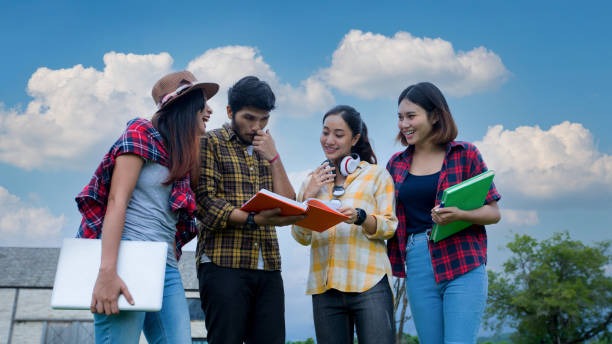
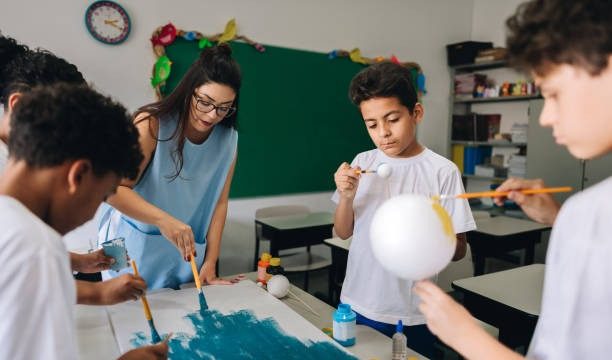
Another effective way to strengthen relationships is by promoting collaboration among students. Group activities and projects can create a sense of community within the classroom. When students work together toward a common goal, they learn to appreciate diverse perspectives and ideas. This collaborative spirit not only enhances learning but also fosters friendships that can extend beyond the classroom walls.
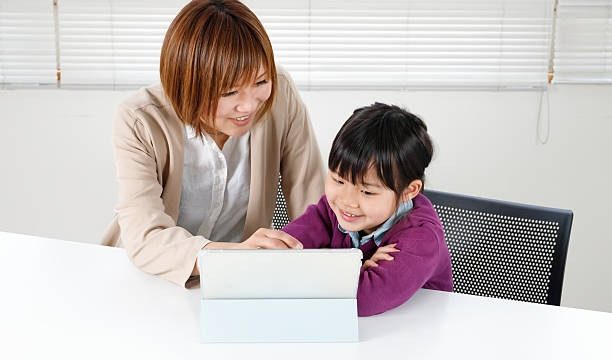
Creating opportunities for peer mentoring is another wonderful approach. By pairing students with different strengths and weaknesses, they can learn from each other in a supportive environment. This not only builds relationships but also nurtures empathy, as students begin to understand and appreciate each other’s challenges and successes.
Celebrating achievements, big and small
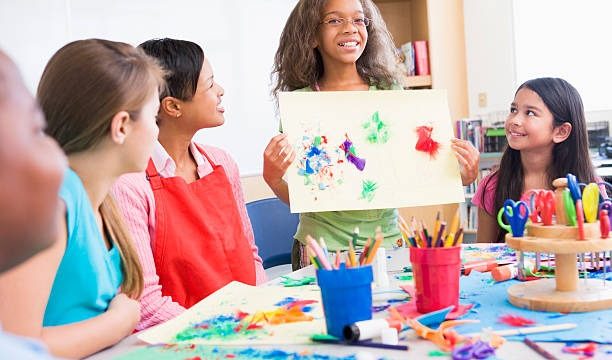
Recognizing and celebrating achievements can further strengthen relationships with students. Whether it’s a small win like completing a challenging assignment or a larger accomplishment, acknowledging these moments fosters a sense of belonging and reinforces a positive classroom culture. Celebrations don’t always have to be grand; even simple words of encouragement can make students feel valued and motivated.
In addition, encouraging self-reflection can empower students to take ownership of their learning. When they recognize their own progress and celebrate their milestones, it builds their confidence and reinforces their connection to the learning process. This practice not only helps them grow academically but also contributes to a healthy self-image.
Navigating challenges with compassion
Building relationships is not always smooth sailing; challenges may arise, and conflicts may occur. During these times, it’s essential to approach situations with compassion and understanding. Rather than reacting impulsively, taking a step back to understand the underlying issues can lead to more productive resolutions.
When addressing conflicts, it’s helpful to involve students in the conversation. Encouraging them to express their feelings and viewpoints fosters a sense of ownership and responsibility for their actions. This approach can also lead to valuable life lessons in communication, empathy, and conflict resolution.
Promoting a culture of respect
Creating a culture of respect and inclusivity is vital in nurturing strong relationships. Students should feel that their voices matter and that they are part of a community that values diversity. Encouraging discussions about different cultures, perspectives, and experiences can broaden their understanding and appreciation of one another.
Additionally, modeling respectful behavior is crucial. Educators can demonstrate how to disagree politely, listen to differing opinions, and appreciate diverse viewpoints. When students see these values in action, they are more likely to adopt them in their own interactions, leading to a more harmonious classroom environment.
Fostering resilience through support
Strong relationships also provide a safety net for students during challenging times. When they know they have someone to turn to, it can significantly impact their emotional well-being. Offering support during tough moments—whether academic or personal—can help students develop resilience. Letting them know that it’s okay to ask for help and that they are not alone can make a world of difference.
Encouraging a growth mindset is another way to foster resilience. Helping students understand that setbacks are a natural part of the learning process empowers them to view challenges as opportunities for growth. When they feel supported in their efforts, they are more likely to persevere and strive for success.
In essence, building strong relationships with students is a multifaceted journey that requires patience, empathy, and dedication. By creating a nurturing environment, actively listening, promoting collaboration, and fostering respect, educators can cultivate connections that enrich the learning experience for everyone involved. These relationships not only enhance academic success but also contribute to the overall well-being of students, preparing them for a fulfilling future. The heart of education lies in these connections, reminding us all that learning is a shared journey, best traveled together.