Teaching Strategies That Make Learning Fun
In our ever-evolving world, the way we approach education continues to shift.
As we understand more about how the brain works and how we engage with information, there’s a growing focus on making learning not just effective, but enjoyable.
When students find joy in what they are learning, their retention improves, their creativity flourishes, and their curiosity deepens. So let’s explore some strategies that can transform the classroom into a vibrant space of discovery and enthusiasm.
A gentle approach to engagement
One of the most effective ways to make learning fun is to cultivate an engaging environment. This can start with simple changes in the classroom setting. Bright colors, comfortable seating, and access to resources can create a welcoming atmosphere where students feel safe and excited to explore. Incorporating elements of play into the learning space, such as games or interactive stations, can also invite curiosity and foster a sense of adventure.
Storytelling is another powerful tool in the educator’s arsenal. Narratives have a unique ability to capture attention and spark imagination. Whether it’s through literature, personal experiences, or even historical accounts, weaving stories into lessons can help students connect with the material on a deeper level. When learners see the relevance of what they are studying, it becomes a journey rather than a task.
The art of collaboration
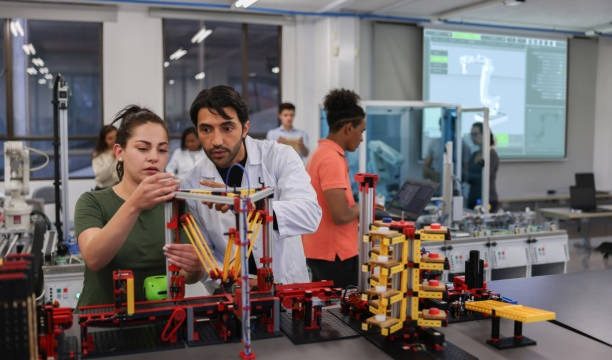
Learning doesn’t have to be a solitary endeavor. In fact, collaboration can significantly enhance the educational experience. Group activities encourage students to communicate, share ideas, and learn from one another. Whether it’s a project-based learning scenario or a simple discussion, working together fosters a sense of community and belonging.
Encouraging peer teaching is another way to harness the power of collaboration. When students explain concepts to one another, they reinforce their own understanding while building confidence. This approach not only nurtures social skills but also allows for diverse perspectives, enriching the learning experience for everyone involved.
Infusing creativity into lessons
Creativity is a vital component of learning that often goes overlooked. By integrating arts and crafts, music, or drama into lessons, educators can tap into students’ imaginative capabilities. For instance, turning a science lesson into a theatrical performance or crafting visual art projects related to historical events can transform the learning process into a lively exploration.
Encouraging creative expression also allows students to connect with the material in unique ways. They might write poems about scientific concepts, create visual representations of mathematical ideas, or compose songs that summarize historical events. These creative outlets not only make learning enjoyable but also help students retain information more effectively.
Connecting with the real world
When students see the connection between their studies and the real world, learning becomes more meaningful. Field trips, guest speakers, and community projects can provide practical applications for classroom lessons. For example, a visit to a local museum can bring history to life, while a science experiment conducted in a nearby park can illustrate environmental concepts in action.
Incorporating current events into discussions can also keep students engaged. By relating lessons to what’s happening in the world around them, educators can foster critical thinking and encourage students to ask questions. This relevance helps students understand the importance of their education and inspires them to become active participants in their communities.
A focus on intrinsic motivation
One of the keys to making learning fun is to nurture intrinsic motivation. When students are driven by their own interests and passions, they are more likely to engage deeply with the material. Educators can support this by allowing for choice in assignments and encouraging exploration of topics that resonate with students.
Creating a culture of curiosity is essential. This can be achieved by celebrating questions and promoting a growth mindset. When students feel comfortable asking questions and exploring new ideas, they develop a love for learning that extends beyond the classroom.
Embracing technology thoughtfully
In today’s digital age, technology can be a powerful ally in education. Interactive apps, online resources, and virtual simulations can make learning more dynamic and engaging. However, it’s important to use technology thoughtfully. Balancing screen time with hands-on activities can create a well-rounded experience that keeps students interested and involved.
Gamification is one approach that has gained popularity in recent years. By incorporating game-like elements into lessons—such as points, challenges, and rewards—educators can motivate students in a fun and engaging way. This approach taps into the natural desire to play and compete, making learning feel less like a chore and more like an adventure.
Cultivating a supportive atmosphere
Finally, creating a supportive atmosphere is crucial for fostering a love of learning. When students feel valued and respected, they are more likely to take risks and engage with the material. Encouraging positive interactions among peers and providing constructive feedback can help build a sense of community.
Celebrating achievements, no matter how small, can also boost morale. Recognizing effort and progress fosters a growth mindset and encourages students to keep striving for their goals. When students feel supported, they’re more likely to embrace learning as a lifelong journey.
In the end, the goal of education is not merely to transmit knowledge but to inspire a love for learning. By implementing these strategies, educators can create a vibrant, engaging, and joyful learning environment. Through collaboration, creativity, real-world connections, and a focus on intrinsic motivation, we can transform the educational experience into a delightful adventure that empowers students to explore the world around them. After all, when learning is fun, it becomes a treasure that lasts a lifetime.