In the world of teaching, the quest for effective techniques that resonate with every learner is an ongoing journey.
Education, much like life, is not one-size-fits-all.
Each student brings their own unique background, experiences, and learning styles into the classroom. Therefore, finding approaches that cater to diverse needs can transform the learning experience into something truly enriching and fulfilling.
A gentle approach to understanding different learning styles can set the stage for a more inclusive environment. Some learners thrive on visual stimuli, while others may find auditory or kinesthetic methods more engaging. Acknowledging these differences allows educators to design lessons that capture the attention of all students, fostering a sense of belonging and community.
Creating a welcoming atmosphere is often the first step in engaging learners. When students feel safe and valued, they are more likely to participate actively in their education. This can be achieved through simple yet effective practices, such as establishing clear communication and showing genuine interest in each student’s ideas and feelings. A classroom that feels like a second home encourages open dialogue and exploration, empowering students to express themselves freely.
Incorporating storytelling into lessons can also serve as a bridge connecting various learning styles. Stories resonate on an emotional level, making complex concepts more relatable and memorable. By weaving narratives into subjects, educators can ignite curiosity and encourage students to delve deeper into the material. This technique not only enhances comprehension but also nurtures critical thinking skills as learners analyze and interpret the story’s underlying messages.
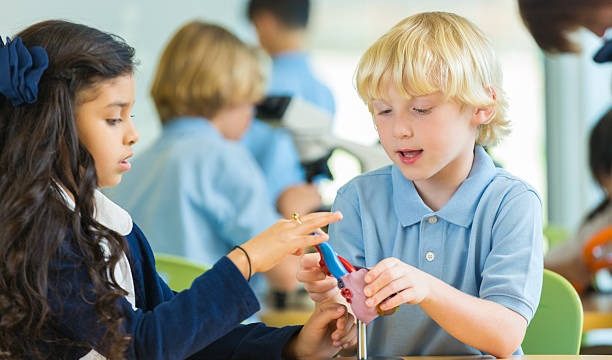
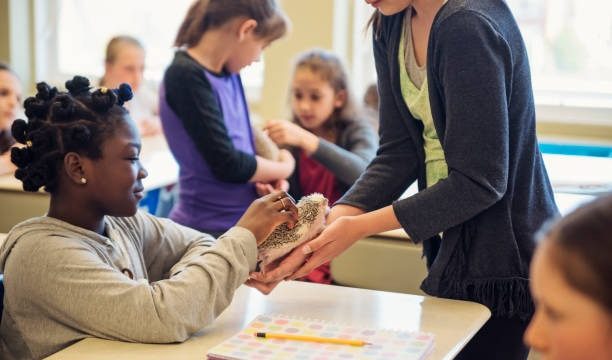
Another effective technique is the integration of hands-on activities. Kinesthetic learners, in particular, flourish when given the opportunity to engage physically with the material. Simple experiments, art projects, or interactive role-playing can transform abstract ideas into tangible experiences. This approach not only caters to those who learn best through movement but also creates a dynamic learning environment that keeps all students engaged.
Fostering collaboration among students is another powerful method for enhancing learning. Group activities encourage peer interaction, allowing students to learn from one another’s perspectives. This collaborative spirit not only builds essential social skills but also cultivates a sense of teamwork and shared responsibility. When students work together, they often discover new insights and deepen their understanding of the subject matter.
In our fast-paced world, incorporating mindfulness into the classroom can be a transformative technique. Mindfulness practices, such as short breathing exercises or moments of reflection, can help students center themselves and reduce anxiety. By creating a space for calmness, educators can enhance focus and attention, enabling learners to absorb information more effectively. This gentle approach encourages students to be present and fully engaged in their learning journey.
Personalization is another vital aspect of effective teaching. When educators take the time to understand each student’s individual strengths and areas for improvement, they can tailor their instruction accordingly. This could mean providing additional resources for those who need extra support or offering advanced materials for students ready to explore beyond the standard curriculum. Personalizing learning not only boosts confidence but also instills a sense of ownership in students, empowering them to take charge of their educational paths.
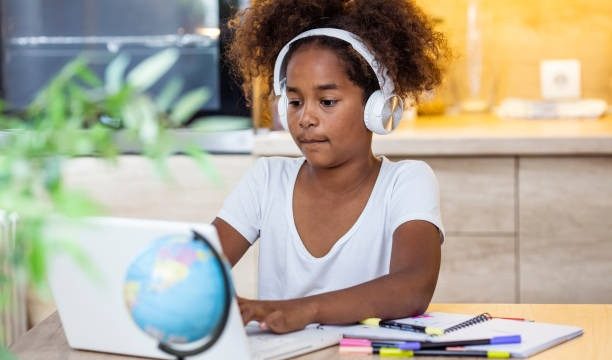
Incorporating technology thoughtfully can also enhance the learning experience. Digital tools can offer interactive and engaging ways to present information. Online resources, educational apps, and virtual simulations can cater to various learning styles, making lessons more dynamic and accessible. However, it’s important to strike a balance, ensuring that technology enhances rather than distracts from the core learning objectives.
Feedback plays a crucial role in the learning process. Constructive feedback helps students understand their progress and areas for improvement. It’s essential to provide feedback in a way that encourages growth rather than discouragement. Celebrating small victories and offering guidance for further development fosters a positive learning culture where students feel motivated to strive for excellence.
Creating a routine can also be beneficial for learners who thrive on structure. A predictable schedule provides a sense of security, allowing students to focus on their studies without the added stress of uncertainty. Within this framework, there is still room for flexibility to adapt to the needs of the class, ensuring that learning remains dynamic and responsive.
As we explore these teaching techniques, it’s important to remember that the journey is not about perfecting a singular method but rather embracing a holistic approach. The beauty of education lies in its diversity, and by blending various techniques, educators can create a rich tapestry of learning experiences. Each student’s uniqueness should be celebrated, and the classroom should be a place where all voices are heard.
As we move forward in the ever-evolving landscape of education, the goal remains the same: to foster a love for learning that transcends the classroom walls. The techniques discussed here serve as gentle reminders that teaching is as much about connection and understanding as it is about imparting knowledge. When educators approach their craft with compassion and creativity, they unlock the potential within each student, paving the way for a brighter future for all.
In conclusion, the journey of teaching is filled with opportunities to inspire and nurture every learner. By embracing diverse techniques and fostering an inclusive environment, educators can create a space where all students feel valued and empowered. It is within this supportive framework that the magic of learning truly unfolds, leaving a lasting impact on the hearts and minds of future generations.