Fostering an environment where students feel comfortable expressing their ideas is one of the most rewarding aspects of teaching.
It’s a journey that not only enriches the educational experience but also nurtures the individual growth of each student.
Encouraging self-expression can ignite creativity, enhance critical thinking, and develop communication skills that will serve them throughout their lives. Here are some gentle ways to inspire students to share their thoughts and feelings.
Creating a Safe Space
At the heart of encouraging expression is the need for a safe and welcoming environment. Students should feel that their ideas are valued and respected, no matter how unconventional they may be. Start by fostering an atmosphere of trust and openness. This can be achieved through simple gestures, such as actively listening when students speak, showing genuine interest in their contributions, and refraining from harsh criticism. When students see that their voices matter, they are more likely to share their thoughts freely.
It can be helpful to establish ground rules for discussions. Remind students that every opinion is welcome and that disagreements can be handled with respect. This not only promotes a sense of community but also teaches valuable lessons about dialogue and understanding differing perspectives. When students feel safe, their ideas can flourish.
Encouraging Creativity
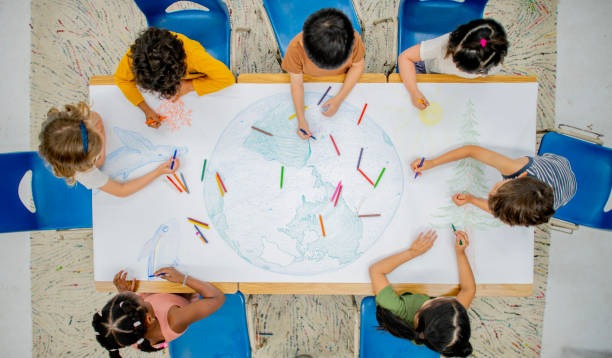
Creativity often serves as a bridge to self-expression. Providing opportunities for creative thinking can inspire students to share their ideas in unique ways. Consider incorporating various activities that tap into different forms of creativity. Art projects, writing prompts, or even group discussions can spark inspiration and allow students to express their thoughts in a medium that resonates with them.
You might introduce open-ended questions that invite imaginative responses. For instance, asking students how they would solve a particular problem or what they envision for the future can lead to fascinating discussions. It’s important to celebrate all forms of creativity, encouraging students to explore and experiment without fear of judgment.
Inviting Collaboration
Collaboration can be a powerful tool for encouraging expression. When students work together, they often feel more comfortable sharing their ideas. Group projects not only promote teamwork but also allow students to learn from one another. This exchange of thoughts can lead to richer discussions and a deeper understanding of diverse viewpoints.
To facilitate collaboration, consider structuring activities that require input from all group members. Assign roles that play to individual strengths, ensuring that everyone has a chance to contribute. This approach not only boosts confidence but also helps students appreciate the value of different perspectives. When they see that their contributions matter to the group, they are more likely to express themselves.
Modeling Openness
As educators, it’s essential to model the behavior we wish to see in our students. By demonstrating openness and vulnerability, we can create a culture of honesty and authenticity. Share your own thoughts and experiences, and don’t shy away from discussing your ideas, even if they are still evolving. This transparency can encourage students to feel comfortable sharing their own thoughts, knowing that it’s okay to be a work in progress.
Furthermore, when students witness adults engaging in thoughtful discussions, they learn the importance of articulating their ideas clearly. Encourage them to ask questions and seek clarification, showing that dialogue is an ongoing process. This modeling can instill confidence in students, helping them understand that expressing their ideas is a valuable skill that they can continue to develop.
Using Technology Wisely
In today’s digital age, technology can serve as an excellent medium for expression. Many students feel more comfortable sharing their ideas through digital platforms, where they can take time to formulate their thoughts. Consider incorporating blogs, discussion boards, or even social media into your classroom activities. These tools can provide a space for students to express themselves without the immediate pressure of face-to-face interaction.
However, it’s essential to guide students in using technology responsibly and thoughtfully. Teach them the importance of respectful communication online and the impact their words can have on others. By doing so, you not only encourage expression but also foster digital citizenship skills that are increasingly important in our interconnected world.
Celebrating Diversity of Thought
Every student brings a unique perspective to the classroom, shaped by their experiences, culture, and background. Embracing this diversity can significantly enhance the richness of classroom discussions. Encourage students to share their own stories and viewpoints, helping to create a tapestry of ideas that reflects the variety of human experience.
You might organize events that highlight different cultures, traditions, or viewpoints. Inviting guest speakers or hosting themed discussions can provide students with a platform to explore new ideas and learn from one another. By celebrating diversity, you create an inclusive environment where all students feel empowered to express themselves.
Fostering Reflection
Encouraging students to reflect on their thoughts can deepen their understanding and enhance their ability to articulate ideas. Consider incorporating reflective practices into your routine, such as journaling or group reflections. These activities can help students process their thoughts and feelings, making it easier for them to express themselves in discussions.
Reflection also allows students to connect their ideas to their personal experiences, fostering a deeper sense of ownership over their thoughts. This practice can be particularly beneficial in helping students articulate complex ideas, as they learn to navigate their own understanding before sharing it with others.
Inspiring Lifelong Expression
Ultimately, the goal of encouraging students to express their ideas is to inspire them to become lifelong learners and communicators. By nurturing their ability to articulate thoughts, we equip them with skills that extend far beyond the classroom. As they grow into adults, these skills will serve them well in their personal and professional lives.
Encouraging expression is not just about words; it’s about creating a culture of sharing and learning. By fostering a supportive environment, embracing creativity, and celebrating diverse perspectives, we can inspire students to find their voices. This journey of self-expression is not only transformative for them but can also enrich the entire classroom community. In the end, it’s about nurturing a space where every idea is welcomed and every voice is heard.