In a world filled with information and opportunities for learning, the foundation upon which our knowledge is built plays a crucial role in shaping our abilities.
Foundational skills—those essential competencies we develop early in life—serve as the bedrock for our future learning experiences.
Understanding how these skills influence our capacity to learn can provide profound insights into our educational journeys and personal growth.
The early years of life are a remarkable time of exploration and discovery. Children engage with their environment, interacting with everything from toys to books, and each experience contributes to their foundational skills. Skills such as language development, critical thinking, and social interaction emerge from these early encounters. These abilities are not merely academic; they also encompass emotional and social dimensions that shape how we relate to ourselves and the world around us.
Language development is one of the most significant foundational skills. It goes beyond just learning to speak or read. Language is the medium through which we express thoughts, share ideas, and connect with others. A strong vocabulary and the ability to articulate feelings and concepts empower individuals to engage in more complex learning. As children acquire language skills, they are better equipped to comprehend what they read and hear, fostering a deeper understanding of the subjects they encounter.
Moreover, the ability to think critically is nurtured through experiences that require problem-solving and decision-making. From simple puzzles to engaging discussions, these activities encourage children to analyze situations, evaluate options, and draw conclusions. When we cultivate critical thinking skills early on, we equip ourselves with a toolkit that serves us well throughout our lives, allowing us to navigate challenges with a thoughtful approach.
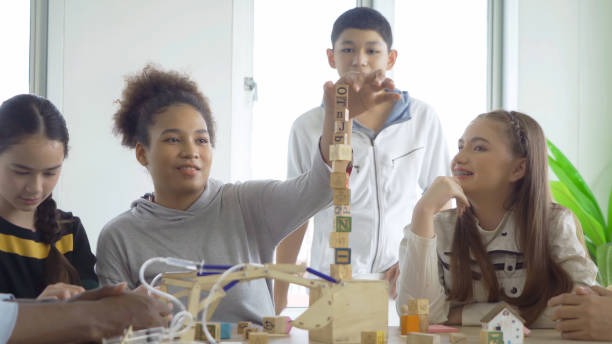
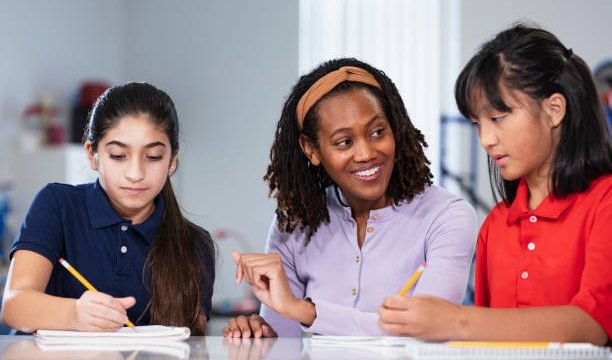
Social interaction is another foundational skill that significantly impacts learning. Humans are inherently social beings, and our ability to communicate and collaborate with others enriches our educational experiences. Engaging with peers and adults fosters a sense of belonging and encourages the exchange of ideas. Group activities, whether in a classroom or a casual setting, help children learn how to work as part of a team, respect diverse perspectives, and develop empathy. These interpersonal skills are not just essential for academic success; they are vital for building relationships and thriving in a community.
As we grow older, the foundational skills we develop can influence our learning abilities in various contexts. For instance, students who have a solid grasp of language and critical thinking are often more adept at tackling complex subjects, be it mathematics, science, or literature. They can approach new concepts with curiosity, ask questions, and seek connections between what they already know and what they are learning. This ability to make connections is a hallmark of effective learning.
In adult life, foundational skills continue to play a pivotal role. Whether pursuing higher education, engaging in professional development, or navigating personal interests, the capacity to learn is often rooted in those early competencies. Lifelong learners who have honed their foundational skills tend to approach new opportunities with confidence and resilience. They are more likely to embrace challenges, adapt to changing circumstances, and seek out knowledge beyond traditional settings.
Nurturing foundational skills doesn’t stop at childhood. It’s a continuous journey that can be enriched through various experiences. Engaging in discussions, reading diverse materials, and participating in community activities can all contribute to skill enhancement. The beauty of lifelong learning is that it allows us to revisit and refine these foundational skills, no matter our age.
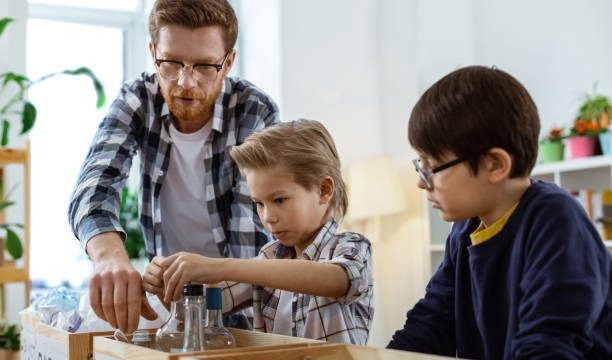
Creating an environment that supports the development of foundational skills is essential for both children and adults. It’s about fostering curiosity, encouraging exploration, and promoting open dialogue. For parents and educators, providing opportunities for experiential learning, such as hands-on projects or collaborative activities, can ignite a passion for learning. Encouraging questions and celebrating the process of discovery creates a safe space for individuals to engage with new ideas and perspectives.
In our fast-paced world, it’s easy to overlook the importance of foundational skills. We often focus on the end results, such as grades or achievements, rather than the journey of learning itself. However, taking a moment to reflect on the skills we’ve cultivated can help us appreciate the learning process. It’s not just about acquiring knowledge; it’s about how we engage with that knowledge and how it shapes our understanding of the world.
As we navigate our educational journeys, we should remember that learning is not a linear path. It is a dynamic process marked by curiosity, exploration, and growth. By acknowledging the role of foundational skills, we can approach learning with a sense of wonder and possibility. Each experience contributes to a richer tapestry of understanding, weaving together the threads of knowledge, skills, and personal growth.
Ultimately, the journey of learning is a lifelong adventure. By nurturing our foundational skills and embracing the process of discovery, we open ourselves to a world of opportunities. Whether you’re a parent guiding a child through their first steps in learning or an adult seeking to expand your horizons, understanding the importance of foundational skills can help illuminate the path ahead. In this shared journey of knowledge, we can all continue to grow, learn, and thrive.