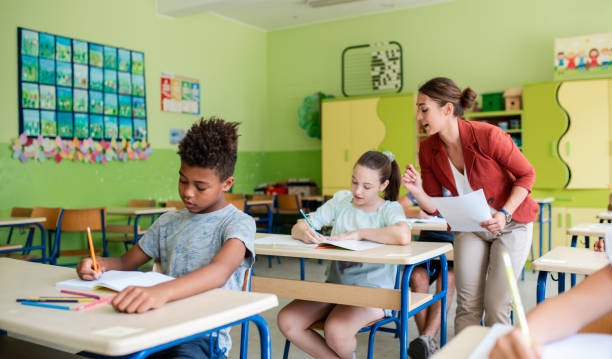
Learning Success Begins with Foundational Skills
In a world that often feels fast-paced and ever-changing, the importance of foundational skills in learning cannot be overstated.
These core abilities serve as the bedrock upon which all further knowledge is built, and nurturing them can lead to a lifetime of success.
Whether you are a parent looking to support your child’s education or an adult seeking personal growth, understanding the essence of foundational skills can be your guiding light.
Foundational skills encompass a range of abilities that form the basis for more complex learning. These include literacy and numeracy, critical thinking, emotional intelligence, and effective communication. By honing these skills, learners can approach new information with confidence and resilience. The journey of learning is much like building a sturdy house; without a solid foundation, it’s bound to crumble.
A gentle awareness of the learning process can change the trajectory of success. For young children, skills such as phonemic awareness in reading or basic addition and subtraction in math are vital. These early experiences shape their perceptions of learning and influence their attitude toward education. Parents and educators can foster these skills through playful activities and engaging conversations that make learning feel like an adventure rather than a chore.
As children grow, the emphasis on foundational skills continues to play a pivotal role. Critical thinking becomes increasingly important as they navigate more complex subjects. Encouraging questions and curiosity can spark a love for learning that lasts a lifetime. When students learn to analyze information, evaluate sources, and synthesize ideas, they develop a mindset that prepares them for future challenges. This is where the beauty of foundational skills shines; they empower learners to think independently and creatively.
Emotional intelligence also deserves a place in the conversation about foundational skills. Understanding one’s own emotions and recognizing those of others can significantly enhance a learner’s experience. When students feel safe and supported, they are more likely to take risks and engage deeply with the material. Creating an environment that fosters emotional awareness can lead to improved collaboration and communication in group settings.
As we consider the journey of learning, it’s essential to recognize that foundational skills are not just for children. Adults, too, can benefit from revisiting and refining these abilities. Lifelong learning has become a vital aspect of personal and professional development. Engaging in activities that promote critical thinking and effective communication can open doors to new opportunities. Whether it’s through workshops, online courses, or community classes, the pursuit of knowledge should be a lifelong endeavor.
A small shift toward balance can make a world of difference. When learners focus on developing foundational skills, they often discover that their overall well-being improves. The confidence gained through mastering basic concepts can lead to greater engagement in more advanced topics. It’s a ripple effect; each small success builds upon the last, creating a sense of accomplishment that motivates learners to keep going.
In our increasingly digital world, the ability to navigate technology is another foundational skill that cannot be overlooked. As learners become more adept at using digital tools, they also enhance their problem-solving abilities and adaptability. This skill set is particularly relevant in today’s job market, where technological fluency is often a prerequisite for many positions. By integrating technology into the learning process, educators can equip students with the tools they need to thrive in a modern landscape.
As we reflect on the importance of foundational skills, it’s worth considering the role of community and collaboration. Learning does not happen in isolation; it is a shared experience that thrives on interaction and support. Whether through study groups, mentorship programs, or collaborative projects, connecting with others can enrich the learning journey. These interactions not only reinforce foundational skills but also foster a sense of belonging and partnership.
Moreover, the significance of a growth mindset cannot be understated. Embracing challenges and viewing failures as opportunities for growth is a powerful approach to learning. When learners understand that effort and persistence lead to improvement, they are more likely to engage with difficult material and push through obstacles. This mindset is closely tied to foundational skills, as it encourages individuals to seek out new experiences and embrace the learning process.
As we navigate the complexities of learning, it’s essential to remember that everyone’s journey is unique. Foundational skills may develop at different paces for different individuals, and that’s perfectly okay. The key is to create an environment that celebrates progress and encourages exploration. By recognizing and valuing each learner’s strengths, we can foster a culture of support and encouragement.
In conclusion, the journey of learning success begins with a solid foundation. By nurturing foundational skills such as literacy, numeracy, critical thinking, emotional intelligence, and effective communication, we empower learners to reach their full potential. Whether you are supporting a child in their educational journey or seeking personal growth as an adult, embracing these core abilities can lead to a fulfilling and enriching experience.
As we continue to navigate the world of learning, let’s prioritize the development of foundational skills, recognizing their profound impact on our lives. By doing so, we open the door to a lifetime of curiosity, growth, and success. Embrace the journey, cherish the process, and watch as the seeds of foundational skills blossom into a flourishing landscape of knowledge and achievement.