In the ever-evolving landscape of education, the concept of differentiated instruction has emerged as a beacon of hope for teachers striving to create engaging and effective learning environments.
This approach recognizes that students come to the classroom with a diverse array of backgrounds, abilities, and motivations.
By embracing differentiated instruction, educators can tailor their teaching methods to meet the varied needs of their students, ultimately leading to a more harmonious lesson flow.
A gentle approach to understanding differentiation begins with recognizing that each student is unique. Some may thrive on visual aids, while others might find auditory explanations more enlightening. This recognition allows teachers to weave a rich tapestry of instructional strategies, creating a learning experience that resonates with each individual. By incorporating various teaching methods, educators can invite students into the learning process, making them active participants rather than passive recipients.
Creating a welcoming atmosphere is essential for fostering an environment where differentiated instruction can flourish. A warm classroom, filled with encouragement and support, sets the stage for students to express their needs openly. When students feel safe to share their thoughts and challenges, teachers can better understand how to adapt their lessons, ultimately enhancing the overall flow of the classroom experience.
One of the most beautiful aspects of differentiated instruction is its flexibility. Teachers can adjust their plans on the fly, responding to the immediate needs of their students. For instance, if a particular concept proves challenging for a group, educators can pivot, using alternative strategies or resources to clarify the material. This responsiveness not only aids in comprehension but also nurtures a sense of community and collaboration among students. When learners see that their needs are being acknowledged, they are more likely to engage wholeheartedly in the lesson.
Incorporating student interests into lesson plans can also elevate the learning experience. When students connect with the material on a personal level, they are more likely to invest time and energy into their studies. Teachers can create opportunities for students to explore topics that ignite their passions, allowing them to take ownership of their learning. This small shift toward balance can transform a standard lesson into an exciting adventure, where students feel empowered to delve deeper into subjects that resonate with them.
Another vital aspect of differentiated instruction is the use of formative assessments. These informal checks for understanding allow teachers to gauge student progress and adjust their teaching methods accordingly. For example, a teacher might use quick quizzes, group discussions, or even one-on-one conversations to gather insights into how well students are grasping the material. This continuous feedback loop ensures that lessons remain dynamic and responsive, fostering a sense of flow that benefits everyone in the classroom.
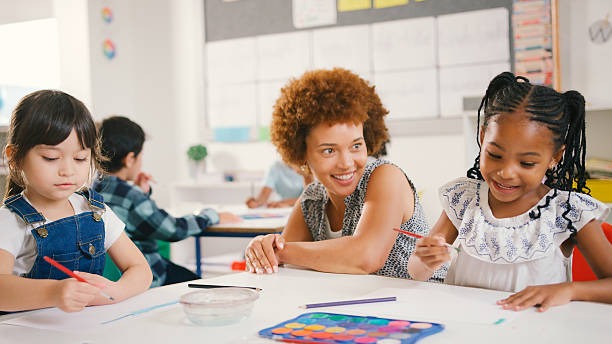
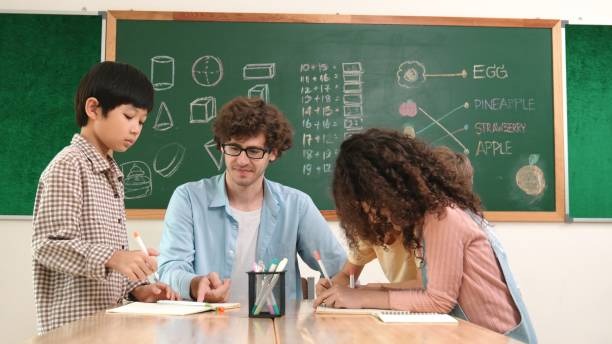
Moreover, grouping strategies play a significant role in differentiated instruction. By thoughtfully organizing students into pairs or small groups based on their strengths and needs, teachers can create opportunities for peer learning. When students collaborate, they can share their unique perspectives and insights, enriching the overall learning experience. This collaborative spirit not only enhances understanding but also builds essential social skills that will serve students well beyond the classroom.
As educators explore the landscape of differentiated instruction, it’s important to remember the value of reflection. Taking time to assess what worked well and what could be improved helps teachers refine their approach and better serve their students. This reflective practice encourages a growth mindset, both for educators and learners alike. When teachers model this behavior, they inspire students to view challenges as opportunities for growth, fostering resilience and a love for learning.
In the pursuit of better lesson flow, it’s essential to consider the role of technology. Digital tools can provide innovative ways to differentiate instruction, offering personalized learning experiences that cater to individual needs. Online resources, educational apps, and multimedia presentations can enhance engagement and understanding, making complex concepts more accessible. By integrating technology thoughtfully, educators can create a more dynamic and fluid learning environment.
While the journey toward implementing differentiated instruction may seem daunting, it’s crucial to approach it with patience and grace. Each step taken toward understanding and adapting to student needs contributes to a more enriching educational experience. As teachers embrace this philosophy, they not only enhance lesson flow but also foster a love for learning that can last a lifetime.
Ultimately, the goal of differentiated instruction is to create a classroom where every student feels valued and understood. By recognizing the diverse needs of learners and adjusting teaching methods accordingly, educators can cultivate an environment that promotes growth and development. This approach not only benefits individual students but also enriches the classroom community as a whole.
As we continue to navigate the complexities of education, let us remember that differentiation is not just a strategy; it’s a mindset. By embracing the uniqueness of each student and adapting our lessons to meet their needs, we can create a harmonious flow that enhances learning for everyone involved. With compassion, creativity, and a commitment to understanding, differentiated instruction can truly transform the educational landscape, paving the way for brighter futures.