In our fast-paced world, where distractions are just a click away, taking a moment to pause and reflect may seem like a luxury we cannot afford.
Yet, it’s in these quiet moments of introspection that we often discover the most profound truths about ourselves.
Reflection is not merely a tool for academic learning; it is a gentle guide that leads us toward a deeper understanding of who we are, what we value, and how we navigate our lives.
Understanding the power of reflection begins with recognizing that it allows us to step back from our experiences. When we reflect, we create space to process our thoughts and feelings, allowing them to settle like dust after a storm. This clarity can illuminate aspects of our personality, motivations, and desires that often remain hidden in the hustle of daily life.
The journey of self-discovery through reflection often starts with the simple act of journaling. Putting pen to paper can be a cathartic experience. It encourages us to articulate our thoughts and emotions, providing an opportunity to explore them in depth. As we write, we may uncover patterns in our behavior or recurring themes in our thoughts. This awareness can lead to valuable insights, enabling us to make more informed choices aligned with our true selves.
Taking time to reflect also enhances our emotional intelligence. By examining our reactions to various situations, we cultivate a deeper understanding of our emotional triggers. This awareness is empowering; it allows us to respond to challenges with greater mindfulness rather than reacting impulsively. In turn, this can improve our relationships, as we become more attuned to our emotions and the emotions of those around us.
Creating a reflective practice can take many forms. Some may find solace in nature, taking a leisurely walk to contemplate their thoughts while surrounded by the beauty of the outdoors. Others may prefer quiet moments of meditation, where they can center themselves and explore their inner landscapes. The key is to find a method that resonates personally, allowing for an authentic exploration of self.
A small shift toward balance can also be achieved by incorporating reflection into our daily routines. Setting aside just a few minutes each day to pause and consider our experiences can be transformative. Whether it’s a quiet cup of tea in the morning or a few moments before bed, these mindful pauses can help us connect with our inner selves. Over time, this practice can lead to a greater sense of peace and clarity.
As we delve deeper into reflection, we often find ourselves reassessing our goals and aspirations. Life has a way of pushing us along predetermined paths, but reflection encourages us to ask whether those paths still align with our values. Are we pursuing what truly matters to us, or are we simply following the expectations set by others? This introspection can lead to a realignment of our goals, allowing us to pursue a life that feels more authentic and fulfilling.
Moreover, the process of reflection fosters resilience. Life is filled with ups and downs, and reflecting on our experiences can help us navigate these challenges with grace. By examining our past struggles and the lessons learned, we build a repository of wisdom that we can draw upon in the future. This ability to reflect on our experiences and extract valuable insights can transform adversity into growth, turning obstacles into stepping stones.
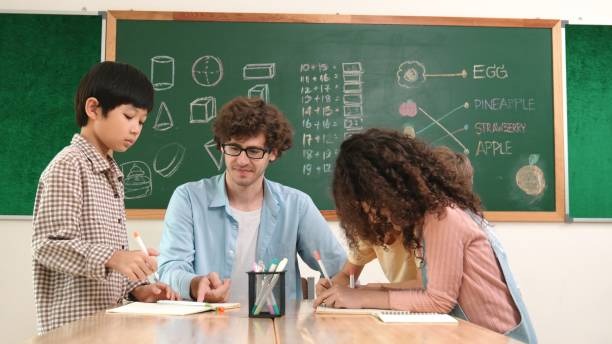
In educational settings, reflection plays a vital role in the learning process. When students take the time to think critically about what they’ve learned, they deepen their understanding and retention of information. This practice encourages a sense of ownership over their education, as they begin to see themselves as active participants in their learning journey. By fostering a culture of reflection, educators can help students cultivate self-awareness and confidence, essential traits for lifelong learning.
It’s important to note that reflection is not always a comfortable experience. It can bring to the surface emotions we may prefer to ignore. However, embracing these feelings is an essential part of growth. By confronting our fears, doubts, and regrets, we create an opportunity for healing and transformation. This process allows us to integrate our experiences, ultimately leading to a more cohesive sense of self.
As we become more attuned to our inner selves through reflection, we also develop a greater appreciation for the present moment. Mindfulness, a practice closely linked to reflection, encourages us to savor our experiences rather than rush through them. This shift in perspective can enhance our overall well-being, as we learn to find joy in the small, everyday moments.
In the end, reflection is a powerful tool that offers us the gift of self-discovery. It invites us to slow down, listen to our inner voices, and embrace our authentic selves. By incorporating reflection into our lives, we can foster a deeper understanding of our thoughts, emotions, and aspirations. This journey of self-exploration not only enriches our own lives but also enhances our connections with others, creating a ripple effect of understanding and compassion in our communities.
So, as you navigate the complexities of life, consider carving out time for reflection. Whether through journaling, quiet contemplation, or simply enjoying a moment of stillness, allow yourself the space to explore your inner world. In doing so, you may uncover the insights and wisdom that have been waiting patiently for you to discover. Reflection is not just a practice; it is a pathway to understanding yourself more fully and living a life that resonates with your true essence.