In a world where communication is often reduced to quick texts and social media posts, the importance of meaningful dialogue in the learning process can sometimes be overlooked.
Supporting learners through encouraging dialogue is not just about exchanging information; it’s about fostering a deeper understanding, creating connections, and nurturing empathy.
A thoughtful conversation can be the bridge that leads to enhanced learning experiences and personal growth.
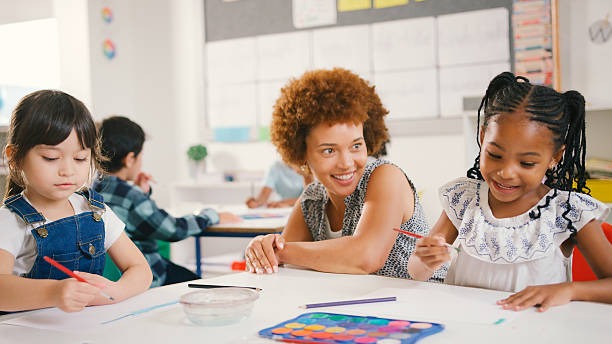
Creating a safe space for dialogue is essential. Just as a garden flourishes with the right conditions, so too do learners thrive when they feel secure and valued. Encouraging open communication begins with establishing an environment where individuals feel comfortable expressing their thoughts and feelings. This can be achieved through active listening, where educators and peers alike give their full attention, validating each speaker’s contributions. The goal is to cultivate a climate of respect and openness, where every voice matters.
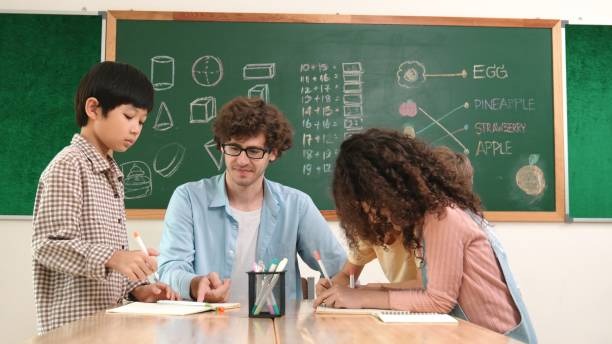
When we engage in dialogue, we invite a rich tapestry of perspectives. Each learner brings their unique background, experiences, and ideas to the table, enhancing the collective understanding of a topic. This diversity can spark creativity and innovation, leading to deeper insights that might not have emerged in a more traditional, lecture-based setting. By encouraging learners to share their viewpoints, educators can help them discover new ways of thinking and problem-solving, which are invaluable skills in both academic and real-world contexts.
A gentle shift towards balance can also be beneficial in fostering dialogue. It’s important to steer conversations in a way that allows for both speaking and listening. For instance, educators can model this balance by sharing their thoughts while also inviting students to contribute theirs. This two-way exchange not only reinforces the idea that everyone has something to offer, but it also helps learners feel more connected and engaged.
Incorporating regular check-ins can be a wonderful way to maintain an ongoing dialogue. These moments can be as simple as asking how learners feel about a particular topic or project. Such inquiries not only show that their opinions are valued, but they also encourage reflection and critical thinking. It’s in these pauses that learners can process their thoughts and articulate their understanding, which can lead to richer discussions down the line.
Encouraging dialogue also invites the possibility of vulnerability. Sharing ideas and opinions can be daunting, especially for those who may fear judgment or criticism. Creating an atmosphere where mistakes are seen as opportunities for growth can alleviate some of this pressure. When learners understand that it’s okay to stumble or express uncertainty, they become more willing to engage in discussions. This vulnerability often leads to deeper connections and a stronger sense of community among learners.
Another aspect to consider is the role of questions in dialogue. Thoughtful, open-ended questions can serve as catalysts for deeper exploration. Instead of merely seeking right or wrong answers, these questions invite learners to think critically and engage with the material on a more profound level. For example, asking “What do you think about…?” or “How might we approach this differently?” encourages learners to delve into their thoughts and share their insights, enriching the learning experience for everyone involved.
Technology can also play a role in supporting dialogue. In today’s digital age, online forums and discussion platforms can provide alternative spaces for conversation, particularly for those who may feel shy in face-to-face settings. These tools can facilitate dialogue, allowing learners to express themselves in a way that feels comfortable for them. However, it’s important to remind learners to engage respectfully and thoughtfully in these spaces, reinforcing the values of empathy and understanding.
As educators and facilitators, it’s important to be mindful of our own communication styles. The way we ask questions, respond to comments, and guide discussions can significantly impact the quality of dialogue. By modeling patience, curiosity, and respect, we can inspire learners to adopt similar behaviors. This not only makes for a more enriching experience but also sets the tone for how learners will interact with one another.
Encouraging dialogue also fosters a sense of ownership over the learning process. When learners feel their voices are heard and valued, they are more likely to take an active role in their education. This sense of agency can lead to increased motivation and a desire to explore topics more deeply. When learners see themselves as contributors to the conversation rather than passive recipients of information, their engagement and enthusiasm for learning can flourish.
In our quest to support learners through dialogue, we must also remember the importance of reflection. Taking time to consider what has been discussed and how ideas have evolved can deepen understanding and solidify connections. Encouraging learners to journal their thoughts or share reflections with peers can be a powerful way to reinforce what they’ve learned. This practice not only aids retention but also helps learners articulate their growth and insights.
Ultimately, supporting learners through encouraging dialogue is about creating a culture of connection, curiosity, and growth. It’s about recognizing that every conversation is an opportunity for learning and understanding. By fostering an environment where dialogue is valued, we empower learners to explore their thoughts, challenge their perceptions, and engage with the world around them in a meaningful way. As we cultivate these rich conversations, we not only support individual growth but also contribute to a more compassionate and connected community. In this journey, the simple act of sharing and listening can lead to profound transformations, both in and out of the classroom.