In our fast-paced world, the journey of learning often feels like a race against time.
Students find themselves grappling with mounting pressures, striving for grades and achievements that sometimes overshadow the simple joy of learning.
Amidst this whirlwind, it becomes essential to pause and reflect on the importance of celebrating progress, no matter how small it may seem. Encouraging students to recognize and honor their achievements can create a more fulfilling educational experience, fostering a sense of accomplishment and motivation.
Every student’s journey is unique, filled with its own set of challenges and triumphs. It’s easy to focus solely on the end goal—a high score on a test, a successful project, or acceptance into a desired program. However, the milestones along the way deserve recognition as well. These moments of progress, whether it’s mastering a difficult concept, improving a skill, or simply showing up consistently, are what shape a student’s learning experience. Acknowledging these achievements helps to build confidence and resilience, which are crucial for lifelong learning.
Creating a culture that values progress over perfection can start at home. Parents and guardians play a significant role in shaping a child’s attitude toward learning. By celebrating small victories, they can help children understand that growth is a process. This might mean praising a child for completing their homework on time, even if the grades aren’t perfect, or recognizing the effort put into a challenging assignment. Such encouragement can help students see that every step taken is valuable and worthy of recognition.
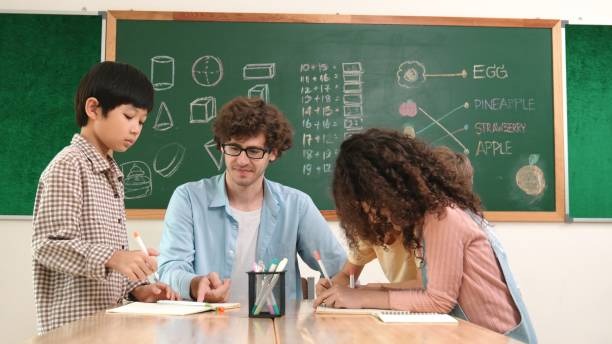
In the classroom, educators can weave the celebration of progress into their teaching practices. Simple gestures, like acknowledging students’ efforts during discussions or providing positive feedback on assignments, can significantly impact students’ motivation. When teachers highlight individual progress—like the improvement in writing skills or increased participation in class—it reinforces the idea that success is not solely defined by grades. This nurturing environment can inspire students to take risks, explore new ideas, and engage more fully in their learning journey.
A small shift toward balance can also be achieved through reflection. Encouraging students to keep a journal or a portfolio of their work can be a powerful tool for self-assessment. As they document their progress, they can look back and see how far they have come, which can be incredibly affirming. This practice not only helps students recognize their achievements but also allows them to set future goals based on their previous successes.
Additionally, fostering a supportive peer environment can enhance the celebration of progress. Group projects and collaborative activities can create opportunities for students to acknowledge each other’s contributions. When students cheer for their classmates’ accomplishments, it cultivates a sense of community and belonging. This camaraderie can be a source of motivation, encouraging students to push themselves further while also appreciating the journeys of their peers.
It’s also vital to understand that progress isn’t always linear. Setbacks and challenges are part of the learning process. Teaching students to view these hurdles as opportunities for growth can shift their perspective. When they encounter difficulties, reminding them of past successes can help them see that they are capable of overcoming obstacles. This mindset fosters resilience, allowing students to bounce back and keep moving forward.
Incorporating mindfulness and gratitude into the learning experience can further enhance the celebration of progress. Simple practices, such as taking a moment to breathe deeply or expressing gratitude for the learning opportunities, can help students ground themselves in the present. This awareness allows them to appreciate their efforts and the support they receive from teachers, family, and friends. Mindfulness can create a more positive learning environment, where students feel valued and empowered to celebrate their achievements.
As we encourage students to celebrate their progress, it’s essential to remember that the journey of learning is ongoing. Each new skill acquired, each lesson learned, contributes to a broader tapestry of knowledge and experience. By focusing on the process rather than just the outcomes, we can help students develop a love for learning that extends beyond the classroom. This intrinsic motivation is what will carry them through challenges and inspire lifelong curiosity.
In conclusion, fostering an environment where progress is celebrated is vital for students’ overall development. By acknowledging achievements—big and small—students can cultivate a sense of pride in their efforts. This practice not only boosts confidence but also encourages a more profound engagement with learning. As we guide the next generation, let us remind them that every step forward is a victory worth celebrating. With this mindset, students can embrace their journeys with joy, resilience, and a deep appreciation for the learning process.