In today’s fast-paced world, where technology often takes the forefront in education, the value of hands-on learning experiences cannot be overstated.
Engaging directly with materials, people, and environments allows individuals to connect with their learning on a deeper level.
This approach fosters a sense of curiosity, creativity, and practical understanding that traditional methods may not always provide.
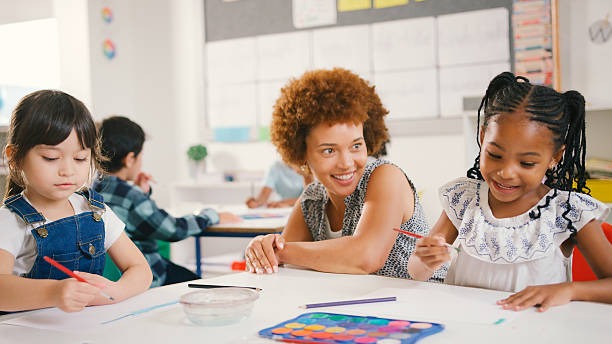
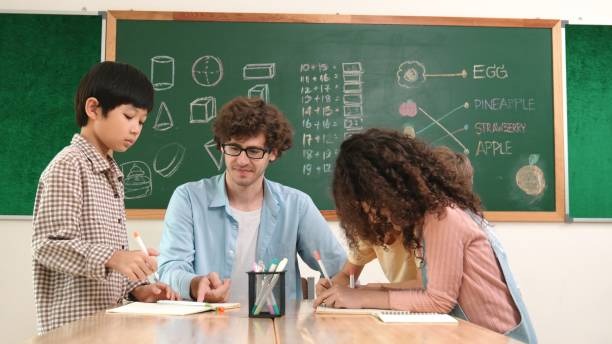
The richness of hands-on learning lies in its ability to create an immersive educational experience. Imagine a classroom where students are not just passive recipients of information but active participants in their learning journey. Whether it’s through science experiments, art projects, or outdoor explorations, hands-on learning invites learners to roll up their sleeves and dive into the subject matter. This tactile engagement helps to solidify concepts and encourages a genuine interest in the material.
A small shift toward balance can be found in the way hands-on learning nurtures critical thinking skills. When individuals are faced with real-world problems, they must analyze situations, make decisions, and reflect on their outcomes. This process not only enhances their cognitive abilities but also prepares them for challenges beyond the classroom. By engaging in practical tasks, learners develop a toolkit of problem-solving strategies that they can apply in various contexts throughout their lives.
Moreover, hands-on learning experiences often promote collaboration and social interaction. Working alongside peers fosters communication skills and teamwork, essential attributes in both personal and professional realms. When individuals collaborate on projects, they learn to appreciate diverse perspectives, building empathy and understanding. These interactions create a supportive environment where learners feel valued and inspired to share their ideas, ultimately enriching the educational experience for everyone involved.
The sensory engagement that comes with hands-on learning is another significant benefit. Touching, manipulating, and experimenting with materials can enhance memory retention and understanding. For instance, a child learning about plants might grow a garden, observing the growth process firsthand rather than merely reading about it in a textbook. These sensory experiences help to create lasting memories and a more profound understanding of the subject matter.
In addition to cognitive and social benefits, hands-on learning can also foster emotional growth. Engaging in practical tasks often involves trial and error, which can teach resilience and perseverance. When learners encounter challenges, they learn to navigate setbacks and develop a growth mindset. This emotional intelligence is invaluable as it prepares individuals to face the ups and downs of life with a positive outlook.
As we explore the multifaceted benefits of hands-on learning, it’s essential to consider its application across various age groups. For young children, hands-on experiences can ignite a passion for discovery. Activities like building with blocks, cooking, or crafting allow them to explore their creativity and develop fine motor skills. These early experiences lay the foundation for a love of learning that can last a lifetime.
For older students, hands-on learning can take many forms, from internships and apprenticeships to community service projects. These experiences provide practical applications of classroom knowledge, allowing students to see the relevance of their education in real-world contexts. Whether they are conducting research, working in teams, or engaging with mentors, these experiences can illuminate career paths and inspire future aspirations.
Even in adulthood, hands-on learning remains a valuable tool for personal and professional development. Workshops, classes, and volunteer opportunities offer avenues for individuals to expand their skill sets and explore new interests. Engaging in hands-on activities can also serve as a form of self-care, providing a break from the digital world and allowing individuals to reconnect with their passions and creativity.
Incorporating hands-on learning into daily life can be simple and rewarding. Consider exploring local workshops or community programs that offer hands-on experiences. Whether it’s a pottery class, a cooking workshop, or a nature hike, these activities provide an opportunity to learn something new while connecting with others.
Creating a hands-on learning environment at home can also be fulfilling. Encourage family activities that involve crafting, gardening, or cooking together. These shared experiences not only promote learning but also strengthen family bonds. The joy of creating something together can lead to meaningful conversations and memories that last a lifetime.
As we embrace the many benefits of hands-on learning, it’s crucial to remember that education is a journey, not a destination. Each experience, whether big or small, contributes to our growth and understanding of the world around us. By nurturing a love for hands-on learning, we empower ourselves and others to explore, create, and connect in ways that enrich our lives.
In conclusion, the value of hands-on learning experiences extends far beyond the classroom. They cultivate critical thinking, enhance social skills, and promote emotional resilience. By engaging directly with the world, we deepen our understanding of ourselves and the environment we inhabit. Whether through early childhood exploration or lifelong learning opportunities, hands-on experiences can transform the way we learn and grow. So, let’s embrace the beauty of getting our hands dirty, exploring new horizons, and savoring the journey of discovery together.