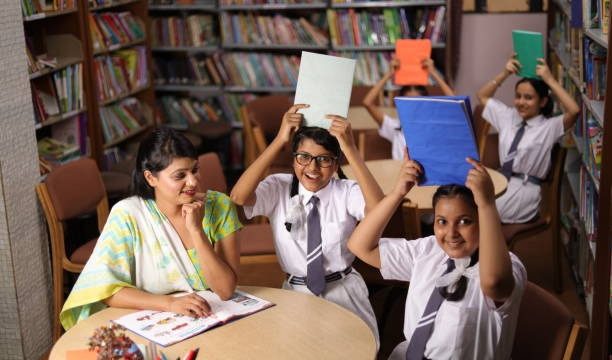
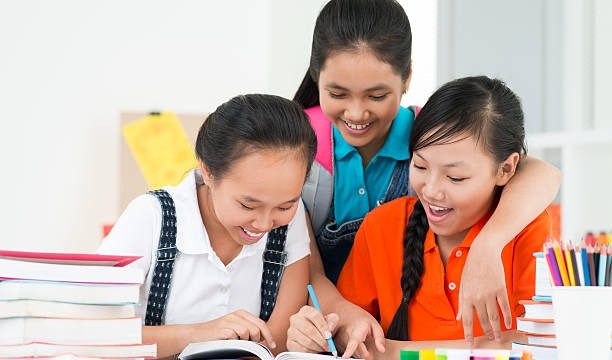
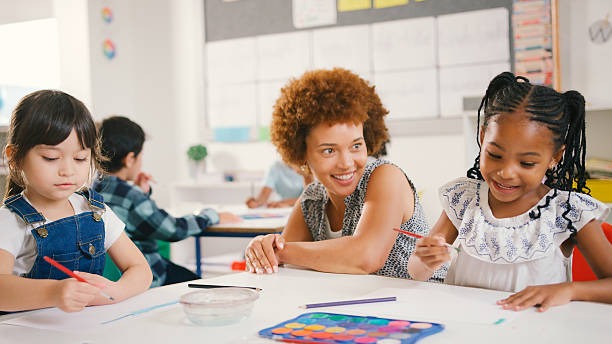
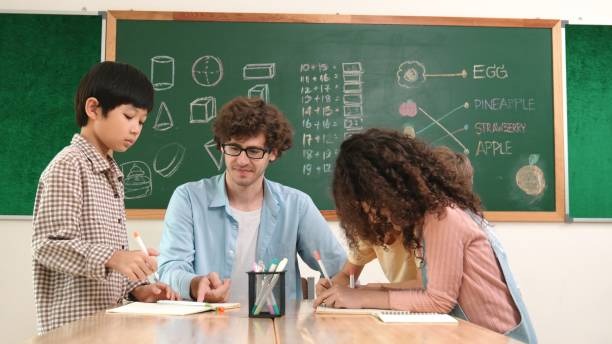
Creating a supportive and inclusive classroom is essential for fostering an environment where every student feels valued, respected, and engaged.
In today’s diverse educational landscape, it is increasingly important for teachers to cultivate spaces that not only accommodate differences but also celebrate them.
This journey requires intentionality, compassion, and a commitment to understanding the unique backgrounds and experiences of each student.
At the heart of an inclusive classroom is the belief that every student has the right to learn and thrive. This starts with establishing a culture of respect and understanding. When students feel safe and accepted, they are more likely to express themselves openly, share their ideas, and engage with their peers. Teachers can model this behavior by demonstrating empathy, active listening, and a genuine interest in their students’ lives. Small gestures, like remembering a student’s name or asking about their weekend, can make a world of difference in building strong relationships.
Creating a physical environment that reflects diversity can also enhance inclusivity. This might include displaying artwork from various cultures, incorporating multilingual signs, or providing resources that represent different perspectives. When students see their identities reflected in the classroom, it reinforces their sense of belonging. Additionally, arranging the classroom to promote collaboration can encourage students to work together, share ideas, and learn from one another in a more meaningful way.
A small shift toward balance can be achieved by differentiating instruction to meet the varied needs of students. Recognizing that each learner has unique strengths and challenges allows teachers to tailor their approaches. This might mean offering different types of assignments or using diverse teaching methods to engage various learning styles. By providing options, teachers empower students to take ownership of their learning, fostering a sense of agency that is crucial for personal growth.
Encouraging open dialogue is another vital component of an inclusive classroom. Creating opportunities for students to share their thoughts and feelings can help them feel more connected to their peers. Discussion circles, group projects, and peer-led activities can facilitate conversations that deepen understanding and promote empathy. Teachers can guide these discussions, ensuring that every voice is heard and respected. This practice not only helps students learn from one another but also builds a supportive community within the classroom.
Building awareness around social and emotional learning is equally important. Teaching students about empathy, self-regulation, and interpersonal skills can empower them to navigate their relationships with confidence. Incorporating mindfulness practices or social-emotional lessons can help students manage their emotions and develop resilience. This focus on emotional well-being supports a positive classroom climate, where students are more likely to reach out for help when needed and offer support to their peers.
Another essential aspect of an inclusive classroom is the recognition of the diverse backgrounds and experiences that students bring with them. Understanding cultural differences can help educators create a more welcoming atmosphere. This might involve integrating culturally relevant materials into the curriculum or inviting students to share their traditions and experiences. By celebrating diversity, teachers can create opportunities for students to learn from one another, fostering respect and appreciation for different perspectives.
Engaging families in the educational process is also crucial for building a supportive environment. When families feel involved and informed, it enhances the sense of community within the classroom. Teachers can reach out to parents through newsletters, conferences, or informal gatherings to discuss their child’s progress and encourage their participation in school activities. Establishing open lines of communication can help bridge the gap between home and school, making the classroom a more inclusive space for everyone.
As we move towards a more inclusive future, it is important to recognize the role of professional development for educators. Continuous learning and training can equip teachers with the tools and strategies they need to create supportive environments. Workshops on cultural competency, inclusive teaching practices, and conflict resolution can provide valuable insights that enhance educators’ ability to address the needs of all students. By investing in their own growth, teachers can inspire their students to embrace a mindset of lifelong learning.
In conclusion, building a supportive and inclusive classroom is a journey that requires dedication, reflection, and collaboration. By fostering an environment of respect, understanding, and empathy, educators can create spaces where every student feels valued and empowered to learn. The impact of such an environment extends beyond the classroom, shaping the future of our diverse society. Together, let us nurture a culture of inclusivity that celebrates each student’s unique journey and encourages them to reach their fullest potential.