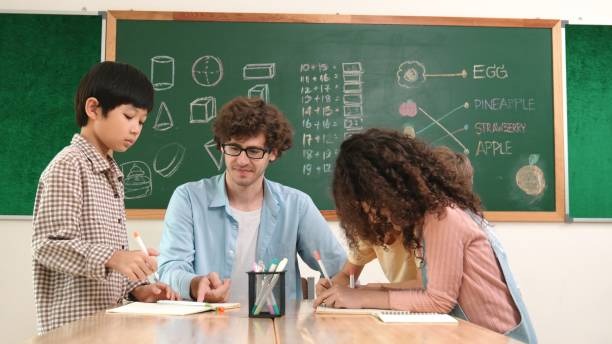
Encouraging Lifelong Learning in Students
In today’s rapidly changing world, the pursuit of knowledge has transformed from a structured journey through formal education into a lifelong adventure.
Encouraging students to embrace this journey fosters not only academic success but also personal growth and fulfillment.
As we navigate this vibrant landscape of learning, it’s essential to nurture a mindset that values curiosity and continuous development. Here, we explore gentle ways to inspire students to become lifelong learners.
Creating a Culture of Curiosity
The foundation of lifelong learning lies in curiosity. When students feel a natural inclination to explore, ask questions, and seek answers, they are more likely to engage deeply with the world around them. One effective way to cultivate this curiosity is by connecting learning to real-life experiences. When students can see the relevance of what they’re learning, whether it’s math in cooking or science in gardening, they are more likely to develop an intrinsic motivation to explore further.
Encouraging open discussions in the classroom can also spark curiosity. Creating an environment where students feel safe to express their thoughts and questions fosters a culture of inquiry. Teachers can model curiosity themselves by sharing their interests and the new things they are learning. When students see their educators as fellow learners, it promotes a sense of community and encourages them to pursue their own interests with enthusiasm.
Fostering a Growth Mindset
A growth mindset is a powerful tool in encouraging lifelong learning. This mindset, which emphasizes that abilities and intelligence can be developed with effort and persistence, empowers students to view challenges as opportunities for growth. When students encounter obstacles, they can learn to embrace them rather than shy away.
Teachers can support this mindset by praising effort rather than innate ability. When students receive positive reinforcement for their hard work and resilience, they are more likely to take on new challenges. Sharing stories of famous individuals who faced setbacks before achieving success can also inspire students to persevere in their own learning journeys.
Celebrating Small Achievements
Recognizing and celebrating small achievements can be a wonderful way to motivate students. When students feel their efforts are acknowledged, it encourages them to continue pursuing knowledge and skills. This could be as simple as a shout-out in class for completing a challenging project, or a personal note from a teacher highlighting a student’s progress.
Incorporating moments of reflection can also help students recognize their growth. Allowing time for students to share what they’ve learned and how they’ve overcome challenges can reinforce their sense of accomplishment. By celebrating these milestones, students begin to see learning as a rewarding and ongoing process.
Encouraging Exploration Beyond the Classroom
Learning shouldn’t be confined to textbooks and classroom walls. Encouraging students to explore interests outside of formal education can ignite a passion for lifelong learning. This might involve suggesting extracurricular activities, clubs, or community events that align with their interests.
Field trips, whether virtual or in-person, can also expand students’ horizons. Visiting museums, science centers, or cultural festivals allows students to see the practical applications of their learning in a larger context. Engaging with the community and learning from diverse experiences enriches students’ understanding of the world and encourages them to seek knowledge beyond their immediate environment.
Incorporating Technology Mindfully
In our digital age, technology can be a valuable ally in fostering lifelong learning. Online resources, educational platforms, and interactive apps provide students with opportunities to explore subjects at their own pace. Encouraging students to use technology mindfully can enhance their learning experiences.
Introducing them to online courses or webinars can open doors to new interests and skills. However, it’s equally important to discuss the balance between screen time and traditional learning methods. Encouraging students to engage with both digital and physical resources can help them develop a well-rounded approach to learning.
Nurturing a Love for Reading
Reading is one of the most effective ways to encourage lifelong learning. It opens up new worlds, introduces fresh perspectives, and stimulates imagination. Creating a reading-friendly environment, whether at home or in the classroom, can inspire students to develop a passion for books.
Offering a diverse selection of reading materials, from fiction to non-fiction, and encouraging students to share their thoughts on what they’ve read can foster a vibrant reading culture. Consider setting up a book club where students can engage in discussions about their favorite books, further deepening their critical thinking skills and love for literature.
Promoting Collaboration and Peer Learning
Learning is often enriched through collaboration. Encouraging students to work together on projects or study groups can foster a sense of community and shared purpose. Peer learning allows students to learn from one another, providing diverse perspectives and insights.
Facilitating collaborative activities, such as group presentations or problem-solving sessions, can enhance students’ social and communication skills while reinforcing their understanding of the content. When students learn from their peers, they often feel more comfortable expressing their ideas and asking questions, which is vital for lifelong learning.
Modeling Lifelong Learning
Finally, one of the most effective ways to encourage lifelong learning in students is by modeling it ourselves. When educators, parents, and mentors actively pursue their own learning journeys, it sends a powerful message to students. Sharing personal experiences of learning new skills, exploring hobbies, or taking courses demonstrates that learning is a lifelong endeavor.
Engaging students in conversations about what you’re learning can inspire them to take ownership of their own educational journeys. Whether it’s discussing a new recipe you tried, a book you read, or a skill you’re developing, these conversations can ignite curiosity and motivate students to seek their own learning experiences.
In conclusion, encouraging lifelong learning in students is a beautiful and rewarding journey. By nurturing curiosity, fostering a growth mindset, celebrating achievements, and modeling a love for learning, we can inspire students to embrace knowledge as a lifelong companion. As they embark on this enriching adventure, they not only grow academically but also develop into well-rounded individuals ready to explore the world with open minds and hearts.