Creating a Positive Learning Environment for Students
In today’s ever-evolving educational landscape, the importance of a positive learning environment cannot be overstated.
A nurturing space where students feel safe, respected, and inspired to learn can dramatically influence their academic journey and personal growth.
As educators, parents, and community members, we play a pivotal role in shaping these environments, fostering a culture of encouragement and enthusiasm for learning.
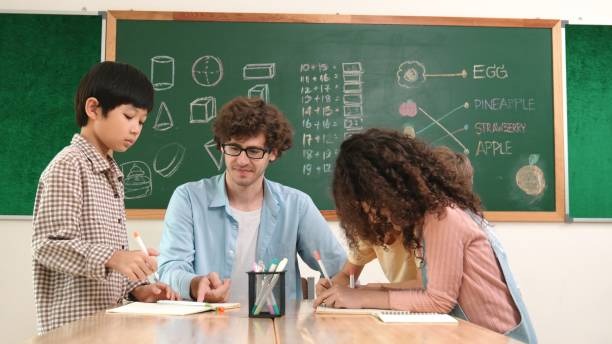
A sense of belonging is essential for students to thrive. When students feel connected to their school and peers, they are more likely to engage in the learning process. This connection can be cultivated through simple yet effective practices. Creating opportunities for collaboration, such as group projects or peer-to-peer mentoring, allows students to build relationships and develop a sense of community. When students work together toward common goals, they learn the value of teamwork and mutual respect, making the learning experience richer and more enjoyable.
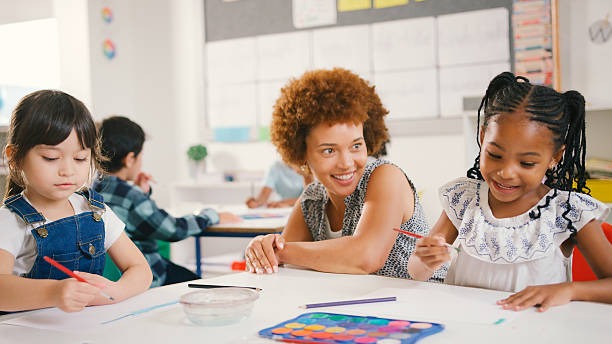
In addition to fostering connections, the physical space in which learning occurs plays a significant role in shaping students’ experiences. Bright, inviting classrooms that are well-organized can enhance focus and motivation. Incorporating elements like plants, colorful decorations, and comfortable seating can make a classroom feel more welcoming. When students enter a space that feels warm and engaging, they are more likely to feel inspired to participate in their learning.
A small shift toward balance can also make a world of difference. It’s important to remember that education is not just about academics. Social and emotional learning should be woven into the fabric of the school day. Educators can create opportunities for students to express their thoughts and feelings, whether through guided discussions, journaling, or creative projects. By prioritizing emotional well-being alongside academic achievement, we equip students with the skills they need to navigate challenges both in and out of the classroom.
Encouraging a growth mindset is another vital aspect of creating a positive learning environment. When students understand that their abilities can be developed through dedication and hard work, they become more resilient and open to challenges. Celebrating effort rather than just achievement fosters a culture where mistakes are viewed as opportunities for growth. By providing constructive feedback and recognizing the journey of learning, educators can help students embrace challenges with a positive attitude.
Another key component of a supportive learning environment is inclusivity. Every student brings unique perspectives and experiences to the classroom. By valuing diversity and promoting an inclusive atmosphere, we enrich the educational experience for everyone. This can be achieved through culturally responsive teaching practices that recognize and honor the backgrounds of all students. When students see themselves reflected in the curriculum and feel that their voices are heard, they are more likely to engage actively in their learning.
Building strong relationships between educators and students is fundamental to creating a positive learning environment. When students trust their teachers, they are more likely to take risks and express themselves openly. Taking the time to get to know students individually, understanding their interests, and showing genuine care can create a strong bond that enhances the learning experience. A simple greeting at the door, a check-in during class, or a few moments spent chatting about a student’s interests can help build rapport and foster a sense of safety.
One cannot underestimate the power of positive reinforcement. When students receive praise for their efforts, it boosts their confidence and motivates them to continue striving for success. Simple acknowledgments, whether verbal or written, can have a significant impact on a student’s self-esteem. Recognizing achievements, no matter how small, helps students feel valued and encourages them to take pride in their work.
Creating opportunities for student voice and choice is another effective way to nurture a positive learning environment. When students have a say in their learning process, they feel empowered and invested in their education. This can manifest in various ways, such as allowing students to choose topics for projects, engage in discussions about classroom rules, or even select their preferred learning modalities. Empowering students in this way fosters a sense of ownership over their education and encourages lifelong learning.
Finally, it’s essential to cultivate a culture of kindness and respect within the learning environment. Encouraging students to be empathetic and supportive of one another fosters a positive atmosphere where everyone feels valued. Simple acts of kindness, such as complimenting a peer or offering help, can go a long way in creating a supportive community. When students are encouraged to treat each other with respect, it not only enhances the learning environment but also prepares them for positive interactions in the wider world.
In conclusion, creating a positive learning environment for students is a multifaceted endeavor that requires attention to emotional, social, and academic needs. By fostering connections, enhancing physical spaces, promoting inclusivity, and encouraging a growth mindset, we can cultivate an atmosphere where students feel safe, respected, and inspired to learn. As we nurture these environments, we not only support academic success but also contribute to the holistic development of our students, preparing them for a bright and fulfilling future. In this journey, every small step we take toward creating a positive learning space can lead to significant transformations in the lives of our students.