In the ever-evolving landscape of education, one element stands out as an essential ingredient for fostering a thriving learning environment: empathy.
It’s a quality that transcends academic prowess and test scores, weaving its way into the very fabric of teaching.
When educators embrace empathy, they not only enhance their own teaching practices but also create a nurturing atmosphere that significantly benefits students.
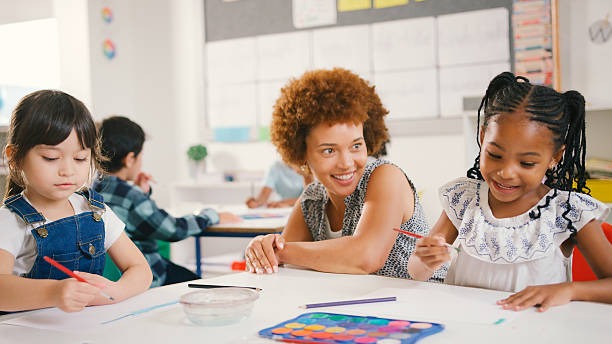
Empathy in teaching is not merely about understanding what students are going through; it’s about connecting with them on a human level. It’s the ability to step into their shoes and see the world from their perspective. This connection can transform the classroom into a safe space where students feel valued, understood, and motivated to learn. When teachers exhibit empathy, they signal to their students that their feelings and experiences matter, fostering trust and openness.
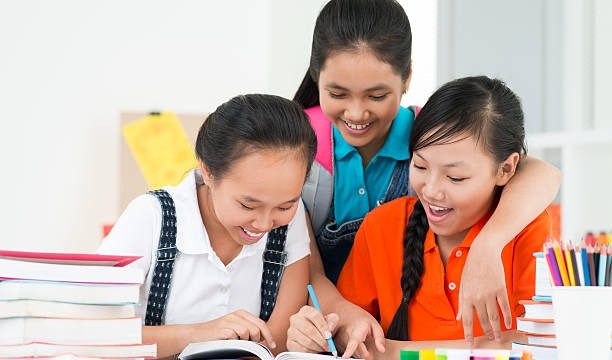
Creating a nurturing environment is essential for students’ emotional and academic growth. When teachers take the time to listen, validate feelings, and respond with compassion, it encourages students to engage more deeply with the material. They are more likely to participate in discussions, ask questions, and seek help when needed. This engagement is key to effective learning, as students who feel emotionally secure are more inclined to take risks in their learning journey.
Understanding the diverse backgrounds and experiences of students is another vital aspect of empathy in teaching. Each student comes to the classroom with their own unique story, shaped by cultural, social, and personal factors. By acknowledging and respecting these differences, educators can tailor their approaches to meet the varied needs of their students. This not only enhances learning outcomes but also cultivates a sense of belonging among students, which is crucial for their overall well-being.
A small shift toward balance can have a profound impact on the classroom dynamic. When teachers prioritize empathy, they contribute to a culture of kindness and respect. This shift encourages students to practice empathy with one another, creating a ripple effect that extends beyond the classroom walls. As students learn to understand and support their peers, they develop important social skills that will serve them well throughout their lives.
Moreover, empathy is a powerful tool for conflict resolution. In a classroom setting, disagreements and misunderstandings are inevitable. Teachers who approach conflicts with empathy can help students navigate these challenges more effectively. By encouraging open dialogue and facilitating discussions that explore different viewpoints, teachers can model healthy conflict resolution skills. This not only resolves issues but also teaches students how to communicate effectively and compassionately with others.
Incorporating empathy into teaching practices doesn’t require grand gestures or extensive training. Simple acts of kindness, such as greeting students warmly at the door or taking a moment to check in with them, can make a world of difference. These small yet significant actions create an atmosphere where students feel seen and heard. It’s about being present and attentive, showing that you care about their well-being beyond academics.
Empathy also plays a crucial role in supporting students who may be struggling. Whether they face academic challenges, personal issues, or mental health concerns, a compassionate teacher can make a significant difference. By recognizing signs of distress and approaching students with understanding, educators can provide the support they need to overcome obstacles. This might involve having a one-on-one conversation, offering additional resources, or simply being a listening ear. In doing so, teachers demonstrate that they are allies in their students’ journeys, reinforcing the idea that seeking help is both okay and encouraged.
The impact of empathy in teaching extends to the educators themselves as well. When teachers engage with empathy, they often experience increased job satisfaction and reduced burnout. Building meaningful connections with students can reignite passion for teaching, reminding educators of the profound impact they have on young lives. This sense of fulfillment not only enhances their well-being but also positively influences their teaching, creating a virtuous cycle of empathy and engagement.
In today’s fast-paced world, where technology often takes precedence over personal interaction, nurturing empathy in education is more crucial than ever. The ability to connect with others on a human level is a skill that students will carry with them far beyond the classroom. As they learn to empathize with their peers, they develop the capacity for compassion that will shape their interactions in the workplace and their communities.
Ultimately, the role of empathy in teaching is about cultivating a culture of care and understanding. It invites both teachers and students to engage in meaningful relationships that elevate the educational experience. By prioritizing empathy, educators can transform their classrooms into spaces where every student feels valued, respected, and empowered to learn.
As we reflect on the importance of empathy in education, let us remember that teaching is not just about imparting knowledge; it’s about nurturing the whole person. When we approach education with empathy, we open the door to a world where students not only excel academically but also grow into compassionate, understanding individuals. In this way, empathy becomes a cornerstone of effective teaching, enriching the lives of both educators and students alike.