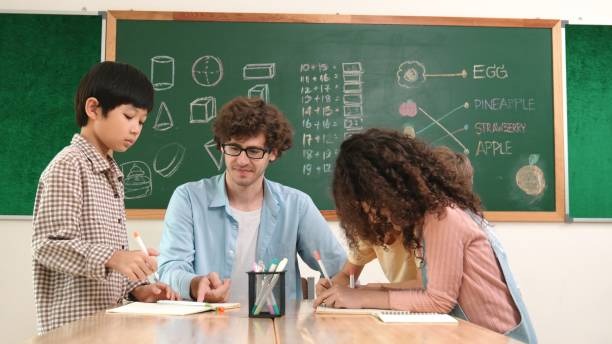
In today’s fast-paced world, technology plays an ever-increasing role in our daily lives, transforming how we communicate, work, and learn.
The classroom, once a place of chalkboards and textbooks, is now evolving into a dynamic environment where digital tools enhance the learning experience.
This shift is not merely about incorporating gadgets; it’s about creating a rich tapestry of learning opportunities that cater to diverse needs and preferences.
Imagine walking into a classroom where students are engaged not just with their teachers but also with interactive tools that bring lessons to life. This vision is becoming a reality as educators harness the power of technology to create compelling learning experiences. From virtual reality field trips to online collaboration platforms, technology can make learning more engaging, accessible, and personalized.
A gentle integration of tools
Technology in the classroom isn’t just about flashy gadgets; it’s about thoughtful integration. Teachers are discovering that using digital resources can complement traditional teaching methods. For instance, interactive whiteboards allow educators to present information in a visually stimulating way while encouraging student participation. When students are invited to engage with the material actively, they are more likely to retain information and develop a genuine interest in the subject matter.
Moreover, educational apps and online resources provide a wealth of information at students’ fingertips. Whether it’s a math game that makes learning fun or a science simulation that allows students to experiment virtually, these tools can cater to various learning styles. By embracing technology, educators create an inclusive environment where every student can thrive.
Personalized learning journeys
One of the most exciting aspects of technology in education is its potential to personalize learning. Every student is unique, with different strengths, weaknesses, and interests. Traditional teaching methods often struggle to accommodate this diversity, but technology offers solutions. Adaptive learning platforms can analyze a student’s performance and tailor lessons to their specific needs, ensuring that no one falls behind.
This personalized approach not only boosts academic achievement but also fosters a sense of ownership over learning. Students can progress at their own pace, exploring topics that pique their curiosity. This autonomy encourages a love for learning that transcends the classroom, instilling a lifelong passion for knowledge.
Connecting beyond the classroom walls
In our interconnected world, technology also breaks down geographical barriers, allowing students to connect with peers and experts from around the globe. Virtual exchange programs enable classrooms to collaborate, share ideas, and learn from each other’s cultures. Imagine a group of students in a small town discussing climate change with their counterparts in a bustling city thousands of miles away. These experiences broaden perspectives, fostering empathy and understanding in a diverse world.
Additionally, access to online resources means that students can engage with experts in various fields without leaving their classrooms. Guest speakers can share their insights through video calls, providing students with invaluable real-world knowledge. This connection to the outside world enhances the relevance of their studies, making learning feel more meaningful.
Fostering creativity and collaboration
Technology also nurtures creativity and collaboration among students. Digital tools like design software, coding platforms, and multimedia editing apps empower students to express themselves in innovative ways. Projects that once required extensive resources can now be created with just a few clicks, allowing students to bring their ideas to life.
Collaboration is another area where technology shines. Online group projects encourage teamwork and communication skills, essential in today’s workforce. Students can work together in real-time, regardless of their physical location, fostering a sense of community and shared purpose. This collaborative spirit not only enhances learning but also prepares students for a future where teamwork is key.
Mindful use of technology
While the benefits of technology in the classroom are numerous, it’s essential to approach its use mindfully. Screen time can be a concern for both students and parents, so striking a balance is crucial. Educators are increasingly aware of the importance of integrating technology in ways that enhance learning without overwhelming students.
Creating a classroom culture that values both digital and traditional methods can help maintain this balance. For instance, incorporating hands-on activities alongside digital tools allows students to engage with the material in various ways. This holistic approach ensures that technology serves as a complement rather than a replacement for foundational skills.
Embracing the journey
As we navigate this evolving landscape, it’s important to recognize that technology is a tool—a means to enhance the learning experience rather than an end in itself. Educators, students, and parents alike must embrace this journey with an open mind and a willingness to adapt. The goal is to create a nurturing environment where technology supports creativity, collaboration, and genuine engagement.
In conclusion, the integration of technology in the classroom holds immense potential to enrich the educational experience. By thoughtfully incorporating digital tools, educators can create a vibrant learning environment that caters to diverse needs and fosters a love for learning. As we continue to explore this exciting frontier, let’s remember that the heart of education remains the same: nurturing curious minds and empowering students to reach their full potential. With technology as our ally, the future of learning is bright, inviting, and full of possibilities.