In our ever-evolving world, the journey of learning can often feel overwhelming.
Whether you’re a student navigating the complexities of academia or a lifelong learner exploring new skills, the foundation upon which we build our knowledge plays a crucial role in our ability to progress smoothly.
Foundational skills, those essential abilities that serve as the building blocks for more complex tasks, are like the roots of a tree. They anchor us, providing stability and support as we reach for new heights.
When we think about foundational skills, we often envision basic literacy and numeracy. However, it’s important to recognize that these skills extend far beyond reading, writing, and arithmetic. They encompass critical thinking, problem-solving, and even social-emotional abilities. Each of these components works together, creating a rich tapestry of understanding that fosters a more profound and lasting learning experience.
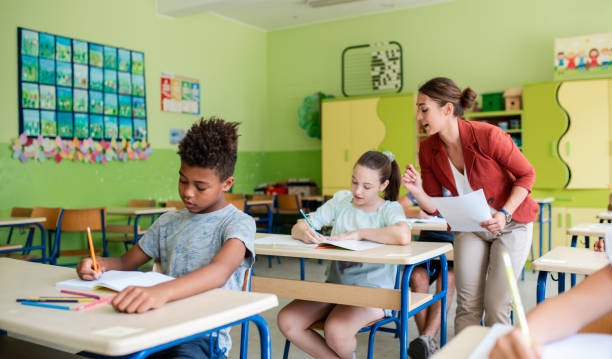
A gentle introduction to foundational skills can make a world of difference. Imagine a child learning to read. At first, they may struggle with the letters and sounds, but with consistent practice and encouragement, they begin to recognize patterns and make connections. This early experience builds confidence, allowing them to tackle more complex texts with ease. Similarly, adults returning to education may find that brushing up on their foundational skills helps them engage more fully in their studies, paving the way for deeper exploration and understanding.
The beauty of foundational skills lies in their universality. They are not confined to classrooms or textbooks; they can be developed in everyday life. Cooking a meal can enhance numerical skills through measuring ingredients, while engaging in discussions about current events can sharpen critical thinking and communication abilities. Every interaction and experience offers an opportunity to strengthen these essential skills, contributing to a more well-rounded individual.
As we nurture these foundational skills, we also cultivate a sense of resilience. Learning is rarely a linear process; it often involves setbacks and challenges. When we encounter difficulties, having a solid foundation allows us to approach problems with a growth mindset. We learn to view obstacles as opportunities for growth rather than insurmountable barriers. This shift in perspective is invaluable, fostering a love for learning that can last a lifetime.
Creating an environment that supports the development of foundational skills is equally important. Whether at home, in a classroom, or within a community, fostering a culture of curiosity and exploration encourages individuals to engage with new ideas and challenges. Simple practices, like encouraging questions and celebrating small successes, can create a nurturing atmosphere where learning flourishes.
In our fast-paced society, it’s easy to overlook the significance of patience and persistence. Foundational skills take time to develop, and progress may not always be immediately visible. However, with consistent effort and support, the fruits of this labor become evident over time. Encouraging a mindset that values the journey rather than just the destination can be transformative. It allows individuals to appreciate their growth and recognize the incremental steps that lead to significant achievements.
As we explore the interconnectedness of foundational skills and learning, let’s not forget the importance of self-awareness. Understanding our strengths and areas for improvement can guide us on our learning paths. This awareness encourages us to seek resources and support that align with our unique needs. Whether it’s finding a mentor, utilizing online resources, or participating in workshops, taking proactive steps toward enhancing our foundational skills can lead to smoother learning experiences.
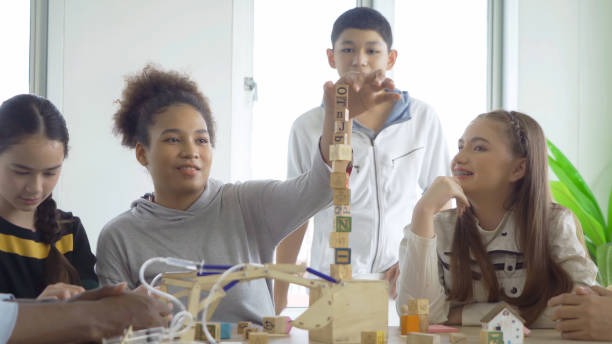
In addition to individual development, the role of community in supporting foundational skills cannot be overstated. Collaborative learning environments, where individuals share knowledge and skills, create a sense of belonging and mutual support. Whether it’s a study group or a community workshop, these interactions can spark new ideas and provide diverse perspectives that enrich the learning experience. Together, we can lift each other up, fostering a culture of growth and continuous learning.
As we reflect on the importance of foundational skills, it’s essential to recognize that learning is a lifelong endeavor. The skills we develop early on can serve as a springboard for future exploration and growth. Embracing a mindset of lifelong learning opens doors to new possibilities, allowing us to adapt to the changing landscape of knowledge and skills in our world.
In conclusion, foundational skills are the quiet yet powerful undercurrents that support our learning journeys. They are the invisible threads that weave together our experiences, shaping us into more capable and confident individuals. By nurturing these skills, fostering supportive environments, and embracing a mindset of resilience and curiosity, we can embark on a smoother and more fulfilling path of learning. Whether you’re taking your first steps into a new subject or diving deep into a passion project, remember that every small effort contributes to a larger tapestry of growth and understanding. Embrace the journey, and let your foundational skills guide you toward new horizons.