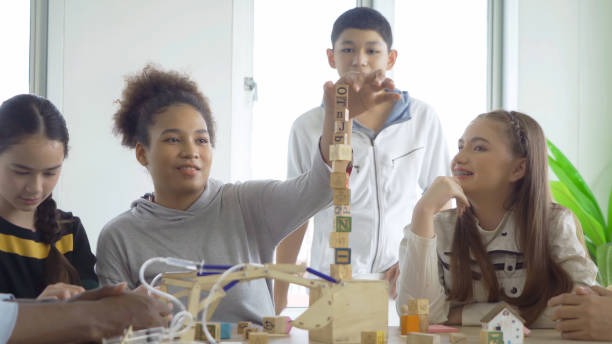
Helping children develop foundational skills can often feel like a delicate balancing act.
As parents and caregivers, we strive to provide our little ones with the tools they need to navigate the world around them.
These foundational skills encompass a range of abilities, from emotional intelligence and social interactions to critical thinking and basic academic skills. The good news is that nurturing these skills can be both enjoyable and enriching for everyone involved.
Creating a nurturing environment is the first step in this journey. Children thrive when they feel safe and supported, so fostering a warm atmosphere at home is essential. This doesn’t mean you need to create a perfect space; rather, focus on being present and engaged. A simple way to achieve this is by dedicating time each day for one-on-one interactions. Whether it’s reading a story together, going for a walk, or engaging in a favorite hobby, these moments can help strengthen the parent-child bond and build a foundation of trust.
Encouraging open communication is another vital aspect of helping children develop their foundational skills. Children are naturally curious and often have a lot to say. By actively listening and responding to their thoughts and feelings, you not only validate their experiences but also teach them the importance of expressing themselves. Conversations can start with simple questions about their day, their interests, or even their feelings about a particular situation. This practice not only enhances their verbal skills but also nurtures their emotional intelligence, helping them learn how to articulate their thoughts and feelings.
A small shift toward balance can be incredibly beneficial when introducing new skills. For instance, incorporating play into learning can make the process enjoyable and effective. Children learn best when they are engaged and having fun. Consider activities that blend play with skill-building, such as puzzles that develop critical thinking, or creative arts and crafts that encourage fine motor skills. Even everyday tasks like cooking or gardening can become opportunities for learning. Measuring ingredients or planting seeds introduces basic math concepts and nurtures a sense of responsibility.
Promoting social interactions is also key in helping children strengthen their foundational skills. Playdates, group activities, or even family gatherings provide opportunities for children to interact with their peers. During these interactions, children learn essential social skills such as sharing, cooperation, and empathy. They begin to understand the dynamics of friendships and how to navigate different social situations. As a parent, you can gently guide these interactions by encouraging positive behaviors and helping them reflect on their experiences afterward.
Another gentle approach is to model problem-solving and critical thinking in everyday situations. Children are keen observers and often emulate the behavior of adults around them. When faced with a challenge, verbalize your thought process. For example, if you’re trying to decide what to make for dinner, share your reasoning out loud: “I think we should use what we have in the fridge to avoid waste, but we also want something healthy.” This not only demonstrates problem-solving skills but also encourages children to think critically about their choices.
Incorporating routines into a child’s daily life can also foster a sense of stability and responsibility. Establishing consistent morning or bedtime rituals helps children understand the concept of time and the importance of structure. Routines can also be a wonderful way to instill good habits. For example, having a designated time for homework or reading each day can promote discipline and time management. Yet, it’s essential to remain flexible. Life can be unpredictable, and teaching children to adapt to changes is a skill in itself.
As children grow, encouraging independence becomes increasingly important. Allowing them to take on small responsibilities at home can cultivate a sense of ownership and confidence. Simple tasks like setting the table, organizing their toys, or helping with laundry can empower them to contribute. In doing so, they not only develop practical skills but also learn the value of teamwork and cooperation.
Fostering a love for reading is another cornerstone of building foundational skills. Reading together can spark imagination and enhance vocabulary. Establishing a cozy reading nook or a regular storytime ritual can turn reading into a cherished daily activity. Encourage children to choose books that interest them, and discuss the stories afterward. This not only helps with comprehension but also nurtures their ability to engage in meaningful conversations.
In our fast-paced world, it’s easy to overlook the importance of downtime. Children, like adults, need time to unwind and recharge. Encouraging unstructured playtime allows them to explore their interests and develop creativity. Whether it’s building with blocks, drawing, or simply daydreaming, these moments can be incredibly valuable. They provide opportunities for self-discovery and can lead to the development of new skills.
Finally, it’s essential to celebrate small victories along the way. Acknowledging progress, no matter how minor, can boost a child’s confidence and motivation. Positive reinforcement, whether through words of encouragement or a simple high-five, can make a significant difference in how children perceive their abilities.
Ultimately, the journey of helping children strengthen their foundational skills is a shared experience filled with moments of growth, learning, and joy. By creating a supportive environment, encouraging open communication, and integrating fun into learning, you can empower your children to build the skills they need to thrive. As they grow and navigate the world around them, these foundational skills will serve as a sturdy base for their future endeavors, instilling a sense of confidence and resilience that will carry them through life.