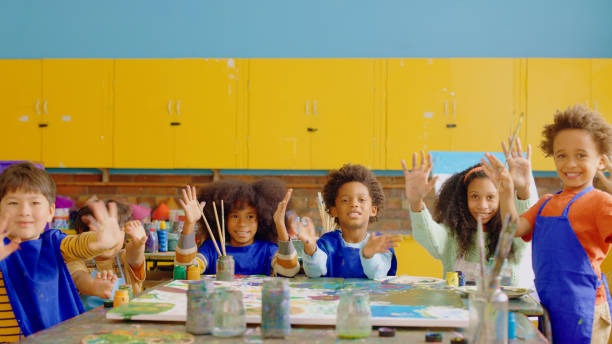
In today’s ever-evolving educational landscape, creating a strong learning environment is more important than ever.
As educators, we understand that every student is unique, with their own set of strengths, challenges, and learning styles.
This realization has led to the rise of differentiated instruction—a teaching approach that seeks to cater to the diverse needs of students by tailoring educational experiences. By embracing this strategy, we can build classrooms that not only foster academic growth but also promote a sense of belonging and engagement.
Understanding the essence of differentiated instruction begins with recognizing that one size does not fit all. Just as we each have our individual preferences in food, music, and hobbies, learners also have distinct ways of absorbing and processing information. Some students may thrive in a collaborative group setting, while others might excel in independent work. By acknowledging these differences, educators can create a more inclusive atmosphere where every learner feels valued and motivated to succeed.
Creating an inviting space is a foundational step toward differentiation. A well-organized classroom, filled with vibrant colors and comfortable seating arrangements, can inspire creativity and focus. Consider incorporating flexible seating options that allow students to choose where and how they learn best. This small shift can help students feel more at ease and empowered, setting the stage for a more effective learning experience.
Once the physical environment is established, the next step involves tailoring learning experiences to meet the varied needs of students. This can be achieved through a range of strategies, from modifying content and processes to providing different learning materials. For instance, a teacher might present a concept using visual aids for visual learners, while simultaneously offering hands-on activities for kinesthetic learners. This thoughtful approach ensures that all students have access to the curriculum in ways that resonate with them.
Another essential aspect of differentiated instruction is the importance of ongoing assessment. Regularly checking in on student progress allows educators to adjust their teaching strategies and materials based on individual needs. Formative assessments—such as quizzes, discussions, or even informal observations—can provide valuable insights into how well students are grasping the material. This continuous feedback loop creates a dynamic learning environment where adjustments can be made in real-time, benefiting both the students and the teacher.
Building strong relationships with students is also a cornerstone of differentiated instruction. When educators take the time to understand their students’ interests, strengths, and challenges, they can create a more personalized learning experience. This connection fosters trust and encourages students to take risks in their learning, knowing they have a supportive ally in their corner. Simple gestures, like asking about a student’s weekend or incorporating their interests into lessons, can make a significant impact on their engagement and motivation.
As we explore differentiated instruction, it’s essential to remember that this approach is not solely about academic achievement. It also nurtures social-emotional growth. By offering choices and encouraging self-directed learning, students develop essential life skills such as decision-making, resilience, and self-advocacy. These qualities are invaluable, not only in the classroom but also in their future endeavors.
A gentle shift toward collaboration can further enhance the learning environment. Group work can be structured in a way that allows students to work together while still addressing individual needs. For instance, pairing students with varying skill levels can create a rich learning experience where they can learn from one another. This collaborative spirit fosters a sense of community and encourages students to support each other, creating a positive classroom culture.
Incorporating technology into the learning process can also play a vital role in differentiation. Digital tools can provide personalized learning experiences, allowing students to progress at their own pace. For example, educational apps and platforms can offer practice exercises tailored to individual skill levels, enabling students to build confidence and mastery in a way that feels engaging and relevant to them.
As we continue to build strong learning environments through differentiated instruction, it is crucial to remain flexible and open to new ideas. Education is an ever-changing field, and what works for one group of students may not necessarily work for another. Embracing a mindset of continuous improvement allows educators to refine their approaches and adapt to the needs of their learners.
It is also helpful to involve families in the journey toward differentiation. When parents and guardians understand the goals of differentiated instruction, they can better support their child’s learning at home. Regular communication with families can foster a partnership that enriches the educational experience and reinforces the importance of a collaborative effort in a child’s development.
Ultimately, the heart of differentiated instruction lies in the belief that every student can learn and succeed. By creating a nurturing environment that celebrates diversity and fosters individual growth, we empower students to reach their full potential. This holistic approach not only enhances academic performance but also cultivates a love for learning that lasts a lifetime.
In conclusion, building strong learning environments through differentiated instruction is an ongoing journey that requires dedication, creativity, and compassion. By embracing the uniqueness of each learner and tailoring our approaches to meet their needs, we can create classrooms where every student feels valued and inspired. Together, let’s continue to cultivate a vibrant educational landscape that nurtures and celebrates the diverse tapestry of learners in our care.