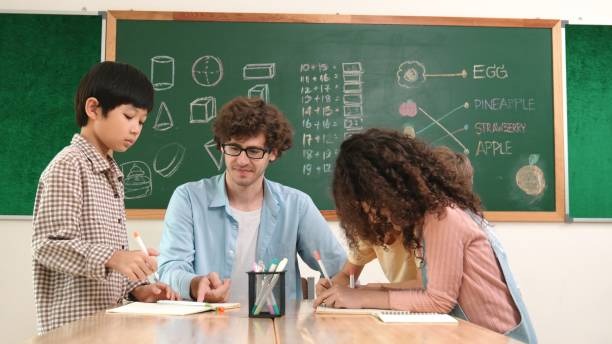
Creativity is often seen as a trait reserved for artists, musicians, and writers.
However, it plays a vital role in many aspects of life, including academic progress.
When we think about education, we often envision structured lessons, tests, and grades. Yet, beneath this framework lies a world where creativity can flourish and significantly enhance learning experiences.
At its core, creativity is the ability to think outside the box, to connect seemingly unrelated ideas, and to approach problems from different angles. In an academic context, this kind of thinking can lead to deeper understanding, innovative solutions, and a more engaging learning environment. Whether it’s through creative writing, artistic projects, or imaginative problem-solving in science and math, creativity has the power to transform education into something vibrant and meaningful.
One of the most beautiful aspects of creativity is its ability to foster curiosity. When students are encouraged to explore their interests and express themselves in unique ways, they become more invested in their learning. This sense of ownership can lead to a greater desire to delve deeper into subjects, ask questions, and seek out answers. When curiosity is ignited, students are not just passive recipients of information; they become active participants in their educational journey.
A gentle shift toward integrating creativity into traditional learning can also help students develop critical thinking skills. When faced with a challenge, creative approaches encourage learners to analyze situations from multiple perspectives. For instance, in a history class, rather than simply memorizing dates and events, students might be invited to create a fictional diary entry from the perspective of a historical figure. This exercise not only deepens their understanding of the material but also enhances their ability to empathize and think critically about the motivations and consequences of actions taken in the past.
Moreover, creativity often leads to collaboration. Many creative projects require teamwork, which can strengthen communication skills and foster a sense of community among peers. In group settings, students learn to value each other’s ideas and perspectives, leading to richer discussions and a more inclusive atmosphere. This collaborative spirit can be particularly beneficial in academic environments, where the exchange of ideas is essential for growth and innovation.
The incorporation of creative methods in learning can also alleviate stress. Traditional educational settings can sometimes feel rigid and overwhelming, with students pressured to achieve high grades and adhere to strict guidelines. Creative assignments can provide a refreshing break from this pressure, allowing students to express themselves freely. When students engage in activities that resonate with their interests or passions, they often experience a sense of joy and fulfillment that can enhance their overall well-being.
In addition to emotional benefits, creativity can also improve retention and understanding of complex concepts. Research suggests that when learners engage with material creatively, they are more likely to remember it. For example, a student studying biology might create a visual representation of a cell, incorporating colors and shapes that help them understand its functions. This hands-on approach not only makes learning more enjoyable but also reinforces knowledge in a way that rote memorization cannot.
As we consider the role of creativity in academic progress, it’s essential to recognize that it isn’t limited to the arts. Creative thinking can enhance skills in mathematics, science, and even technology. Problem-solving in math can be approached through storytelling, and scientific experiments can be designed with an element of play. By encouraging students to infuse creativity into all subjects, educators can help nurture well-rounded individuals who are prepared to tackle the complexities of the world around them.
Creating an environment that fosters creativity requires a supportive and open-minded approach. Educators and parents alike can play a significant role by encouraging exploration and experimentation. This might mean allowing students the freedom to choose their projects or giving them the space to take risks without fear of failure. When students know that their ideas are valued, they are more likely to take initiative and pursue their passions.
In the grand tapestry of education, creativity serves as a vibrant thread that weaves through every subject and experience. It enriches learning and transforms challenges into opportunities for growth. Embracing creativity in academic settings not only enhances individual progress but also cultivates a culture of innovation that can benefit society as a whole.
As we move forward in a rapidly changing world, the value of creativity in education cannot be overstated. It is through creative thinking that we will inspire the next generation of thinkers, problem-solvers, and leaders. By nurturing creativity, we are not only enhancing academic progress but also encouraging a lifelong love of learning that will serve students well beyond the classroom.
In conclusion, the integration of creativity into academic pursuits offers a pathway to richer, more fulfilling educational experiences. It empowers students to engage deeply with their learning, develop essential skills, and approach challenges with confidence. As we continue to explore the intersection of creativity and education, we can look forward to a future where learning is not just about grades but about growth, understanding, and the joy of discovery. By embracing creativity, we open doors to endless possibilities, shaping not only smarter students but also more compassionate and innovative individuals ready to make their mark on the world.