In today’s fast-paced world, the importance of nurturing creativity in students is more vital than ever.
As we look toward the future, developing strong leaders who can adapt, innovate, and inspire is essential.
Creativity is not just a tool for artistic expression; it is a fundamental skill that fosters problem-solving, collaboration, and resilience. By encouraging student creativity, we are also cultivating the next generation of leaders.
Fostering a Creative Environment
Creating an environment that encourages creativity is the first step in developing leadership qualities among students. This involves more than just providing resources; it requires a shift in mindset. Educators and parents alike can play a pivotal role in this transformation. By nurturing an atmosphere where questions are welcomed and exploration is encouraged, we can inspire students to think outside the box.
One effective approach is to integrate creative projects into the curriculum. Whether through art, music, or innovative problem-solving activities, these projects can spark a sense of ownership and pride in students. When they see their ideas come to life, it boosts their confidence, an essential element in developing leadership skills.
Encouraging Collaboration
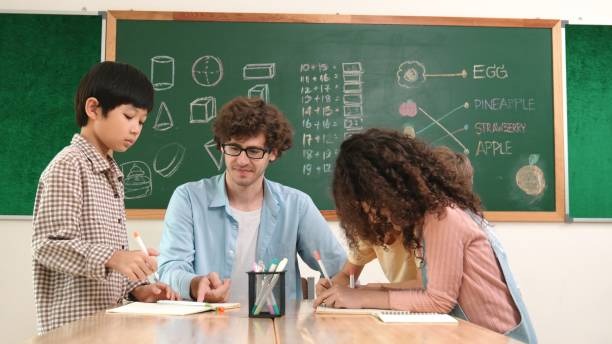
Creativity often thrives in collaborative settings. When students work together, they learn to communicate their ideas, listen to others, and find common ground. This collaborative spirit is crucial for effective leadership. By engaging in team projects, students can practice negotiation, compromise, and the art of persuasion—skills that are invaluable in any leadership role.
Group activities can take many forms, from brainstorming sessions to group presentations. These experiences allow students to witness the power of diverse perspectives. They learn that leadership is not just about making decisions but also about bringing people together to achieve a common goal. This sense of community fosters a supportive environment where creativity can flourish.
Embracing Failure as a Learning Tool
In the journey of creativity, failure is often an inevitable companion. However, instead of viewing failure as a setback, it can be embraced as a learning opportunity. Teaching students that mistakes are a natural part of the creative process helps them develop resilience—a key trait of effective leaders.
When students are encouraged to experiment and take risks, they learn to navigate challenges with a positive mindset. This not only enhances their creative thinking but also prepares them to face the uncertainties that come with leadership. By reframing failure as a stepping stone rather than a stumbling block, we empower students to persevere and innovate.
Cultivating Emotional Intelligence
Leadership is as much about emotional intelligence as it is about strategic thinking. Creativity nurtures this emotional aspect by allowing students to express themselves and connect with others on a deeper level. Through creative endeavors, students learn to articulate their feelings, understand different viewpoints, and develop empathy—qualities that are essential for effective leadership.
Artistic activities, such as drama or creative writing, can be particularly powerful in fostering emotional intelligence. These forms of expression encourage students to explore their emotions and relate to the experiences of others. As they engage in these activities, they build a foundation of understanding that will serve them well in their future leadership roles.
Inspiring a Vision
Effective leaders have a vision, and creativity is often the spark that ignites that vision. Encouraging students to think big and dream boldly can help them develop a sense of purpose. When students are given the freedom to explore their interests and passions, they begin to see the possibilities that lie ahead.
In the classroom, this can be facilitated by allowing students to choose projects that resonate with them personally. When they are passionate about their work, they are more likely to invest their time and energy, leading to innovative outcomes. This sense of ownership can inspire them to become leaders, not just in their immediate circles but also in their communities.
Connecting with the Community
Leadership is not confined to the classroom; it extends into the broader community. Encouraging students to engage in community service or collaborative projects can help them understand the impact of their creativity beyond personal gain. This connection fosters a sense of responsibility and accountability, essential traits for any leader.
When students participate in community initiatives, they see firsthand the power of collective action. They learn that their ideas can contribute to meaningful change, reinforcing the notion that leadership is about serving others. This perspective shift can empower students to envision themselves as active participants in shaping their world.
Nurturing Lifelong Skills
The skills developed through fostering creativity are not just applicable in school; they are lifelong assets. As students learn to think creatively, collaborate effectively, and embrace challenges, they prepare themselves for the complexities of adult life. The ability to adapt to change, think critically, and communicate effectively will serve them well in any career path they choose.
Moreover, creativity is a catalyst for continuous learning. It encourages a mindset of curiosity and exploration, qualities that are essential in an ever-evolving world. By instilling these values in students, we are equipping them with the tools they need to navigate their futures with confidence.
A Journey Worth Taking
As we consider the importance of developing leadership through student creativity, it becomes clear that this journey is not just beneficial for individuals but for society as a whole. When we empower students to express themselves, collaborate with others, and embrace their unique visions, we are cultivating a generation of leaders who can inspire change and innovation.
This process requires patience, understanding, and commitment from educators, parents, and communities. It is a journey filled with exploration, growth, and the occasional stumble. However, the rewards are profound. By prioritizing creativity in education, we are not just shaping future leaders; we are nurturing compassionate, innovative individuals ready to take on the world. In fostering student creativity, we are, in essence, planting the seeds for a brighter, more connected future.