In the journey of education, the focus often shifts between academic achievement and behavioral management.
However, a more holistic approach to discipline, one that centers around relationships, has emerged as a powerful tool for supporting students.
This relationship-focused discipline nurtures a sense of belonging and understanding, fostering an environment where students can thrive both academically and emotionally.
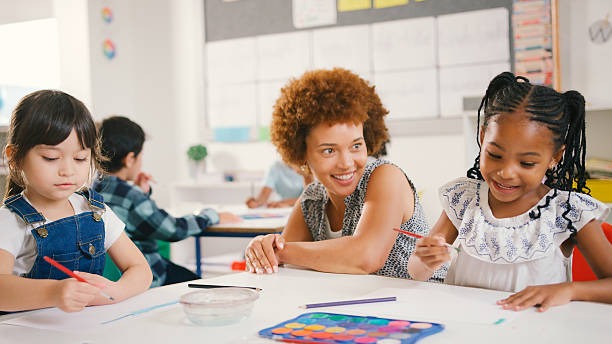
Creating connections is at the heart of relationship-focused discipline. When educators take the time to build genuine relationships with their students, they lay the groundwork for a supportive learning atmosphere. This connection goes beyond mere authoritative presence; it involves understanding students’ backgrounds, interests, and individual challenges. When students feel seen and heard, they are more likely to engage positively in their learning environment.
A small shift toward balance can make a significant difference. Instead of viewing discipline as a means of punishment, educators can reframe it as an opportunity for growth and learning. This perspective encourages students to reflect on their actions and understand the impact they have on themselves and those around them. By guiding them through this reflection process, educators help students develop essential life skills, such as empathy, accountability, and effective communication.
Establishing clear expectations within this framework is crucial. When students know what is expected of them, they feel more secure and confident in their ability to meet those expectations. However, it’s important that these guidelines are communicated in a way that emphasizes care and support rather than fear of consequences. For instance, instead of focusing solely on what happens if a rule is broken, educators can highlight the benefits of following the rules, such as creating a positive classroom culture where everyone feels respected.
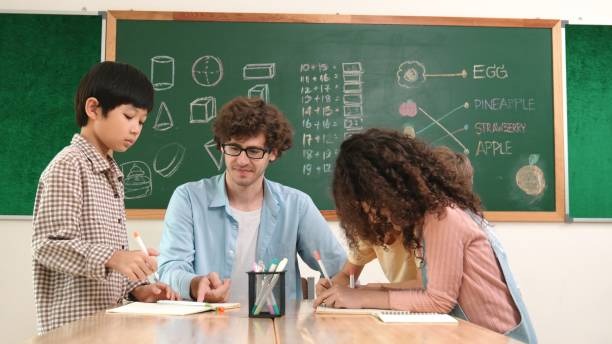
Building a community within the classroom can also enhance relationship-focused discipline. When students see themselves as part of a team, they are more likely to support one another and hold each other accountable. Collaborative activities and group projects can foster this sense of belonging, allowing students to form bonds that transcend individual differences. This community spirit not only enhances academic collaboration but also cultivates an environment where students feel comfortable expressing themselves and seeking help when needed.
Encouraging open communication is another cornerstone of this approach. When students feel safe to voice their thoughts and feelings, they are more likely to engage in meaningful discussions about their behavior and its consequences. Educators can create opportunities for dialogue by inviting students to share their perspectives and experiences. This two-way communication fosters mutual respect and understanding, reinforcing the idea that discipline is not about control but rather about guiding students toward better choices.
Another effective strategy within relationship-focused discipline is the use of restorative practices. Instead of focusing solely on punitive measures after a behavioral incident, restorative practices encourage students to take responsibility for their actions and understand the consequences of their behavior on others. By facilitating restorative circles or conversations, educators can guide students through the process of making amends and rebuilding relationships. This approach not only addresses the immediate issue but also helps students develop a deeper understanding of empathy and forgiveness.
Incorporating social-emotional learning (SEL) into the curriculum can further support relationship-focused discipline. SEL teaches students essential skills such as self-awareness, self-regulation, and relationship management. By integrating these concepts into daily lessons, educators can equip students with the tools they need to navigate their emotions and interactions more effectively. This proactive approach not only enhances academic performance but also contributes to a positive classroom climate where students feel empowered to make responsible choices.
It’s essential to remember that relationship-focused discipline is not a one-size-fits-all approach. Each student is unique, and their needs may vary. Educators should remain flexible and open to adapting their strategies based on individual circumstances. Building strong relationships requires ongoing effort and a willingness to learn from each experience. By being attuned to each student’s needs, educators can create a more inclusive and supportive environment that encourages personal growth and development.
The role of families in this process cannot be overlooked. When educators collaborate with parents and caregivers, they create a network of support for students. Open lines of communication with families can help reinforce the values and expectations set within the classroom. Additionally, involving families in discussions about behavior and discipline fosters a sense of partnership, ensuring that students receive consistent messages about the importance of respect and responsibility.
As we navigate the complexities of education, it’s important to remember that discipline is not merely about maintaining order; it is an opportunity for connection and growth. By embracing a relationship-focused approach, educators can foster an environment where students feel valued, understood, and empowered to make positive choices. This shift not only enhances the overall learning experience but also prepares students for success beyond the classroom.
In conclusion, supporting students with relationship-focused discipline invites a more compassionate and understanding approach to education. By prioritizing connections, clear communication, and community-building, educators can create spaces where students feel safe to explore their identities and learn from their experiences. As we continue to evolve in our teaching practices, let’s embrace the power of relationships in shaping the future of our students and the educational landscape as a whole.